Strategic Overview
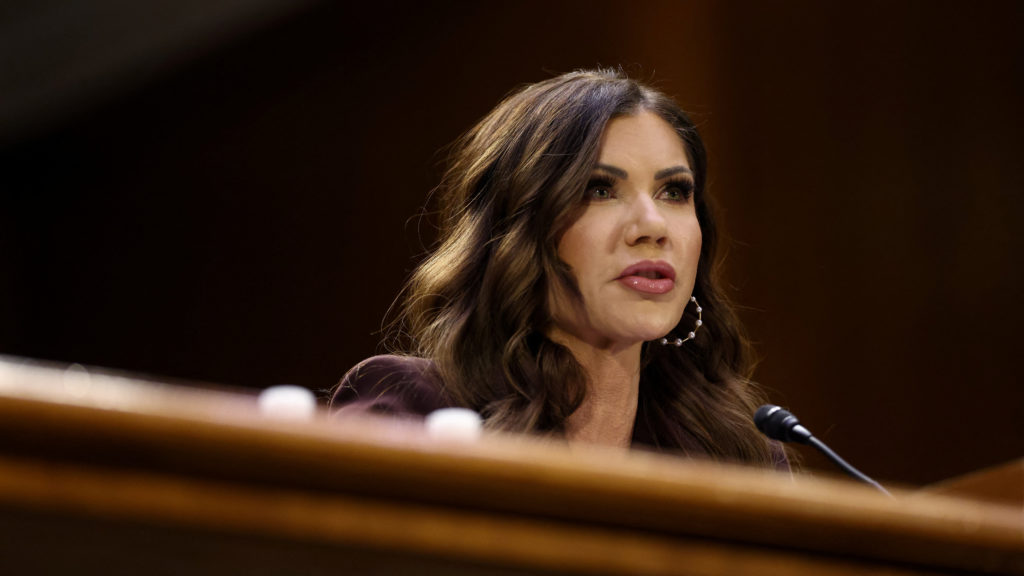
A recent Senate oversight session spotlighted the Department of Homeland Security’s use of roughly $220 million to fund national television advertisements featuring Kristi Noem, the agency’s administrator who also faces questions about fiscal stewardship. The exchange centered on whether publicly funded marketing that highlights a political figure constitutes prudent use of taxpayer dollars, particularly in an era of heightened scrutiny over government advertising, budget priorities, and accountability to constituents.
What Just Happened
During the hearing, Senator John Kennedy raised a pointed question about the administration’s decision to deploy substantial resources toward national TV spots featuring Noem. Critics argue that such campaigns blur the line between official government communication and political branding, potentially diverting funds from core homeland security priorities. Proponents contend the campaign aims to inform the public about safety initiatives and program protections, insisting that the advertising is a legitimate tool to raise awareness on critical security topics.
The exchange underscored a broader tension: how agencies balance messaging with fiscal discipline and the optics of leadership branding when funds come from taxpayers. The hearing did not conclude with a definitive verdict on the legality or propriety of the ad spend, but it did elevate scrutiny of budgetary choices in a year when federal spending and the transparency of advertising practices are highly salient to voters.
Electoral Implications for 2026
Taxpayer-funded messaging that foregrounds a political figure can become a flashpoint in election cycles. If opponents frame the ad spend as misallocation, Noem’s leadership and the DHS’s branding choices could become focal points in competitive races where governing competence and fiscal stewardship are pivotal. The episode tests the political calculus of using public platforms to amplify policy messaging without crossing into campaigning, a line many campaigns are keen to avoid as they shape district- and state-level narratives around accountability and effective governance.
Public & Party Reactions
Reaction from lawmakers and watchdog groups has been mixed. Supporters argue that strategic communications about national security and preparedness are essential for public awareness. Critics, however, view the expenditure as a misallocation of limited resources that should prioritize operational needs over political visibility. The conversation signals potential partisan fault lines around the appropriate use of federal advertising and the boundaries between official communication and political branding.
What This Means Moving Forward
- Policy clarity: Expect renewed calls for explicit guidelines delineating permissible uses of federal advertising funds, especially when campaigns prominently feature political figures.
- Budget transparency: Expect auditors and committees to demand detailed breakdowns of ad campaigns, including timelines, target audiences, and measurable outcomes to justify expenditures.
- Governance norms: The episode may prompt broader discussions about the role of agency leadership in branding efforts and how independent oversight can prevent political optics from overshadowing mission-critical responsibilities.
Tone and Analysis
This episode sits at the intersection of leadership, governance, and fiscal responsibility. It emphasizes not only how funds are spent but how those choices shape public trust in government programs and the perceived accountability of elected and appointed officials. In 2026, voters and policymakers are increasingly attentive to where taxpayer money goes and how visible messaging aligns with mission-critical priorities.
What Comes Next
- Hearings and testimonies are likely to continue, with lawmakers seeking more granular accounting of ad spend and its alignment with DHS’s core objectives.
- Congress could pursue new reporting requirements for federal advertising, including certifications that ad campaigns serve public safety and informational purposes rather than political branding.
- The broader public may see intensified debates about government communication strategies, the boundaries of official messaging, and measures to safeguard taxpayer interests without compromising transparent governance.