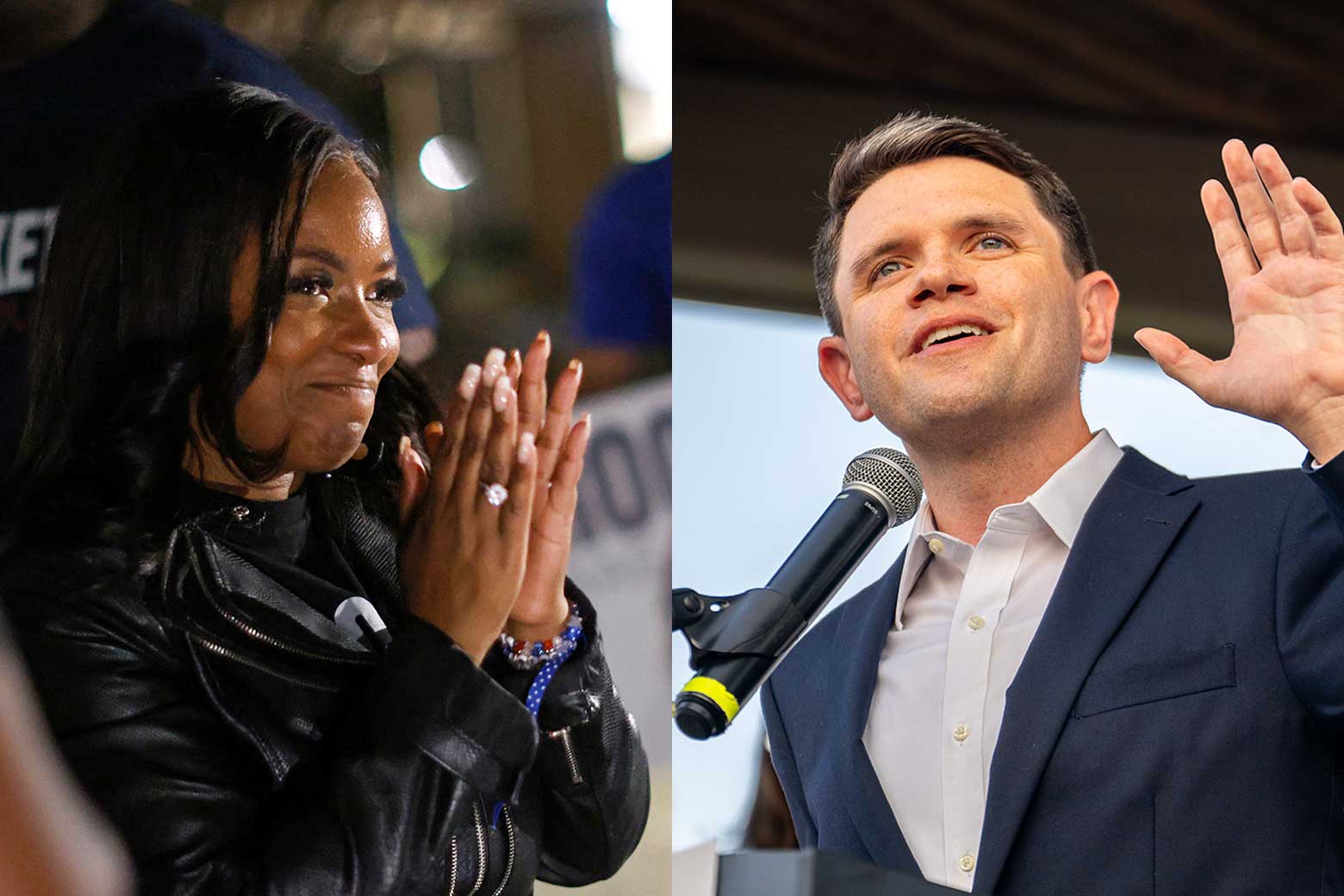
Two prominent Texas Democrats are foregrounding distinct visions for the party’s future as it seeks a clear path forward ahead of 2026. In a political landscape where voters crave practical solutions and credible leadership, the contrasts between these voices offer clues about how the Democratic coalition might broaden its appeal without sacrificing core priorities. The duo’s approach signals a shift from traditional messaging to more problem-solving, issue-focused governance that can resonate across diverse constituencies in Texas and beyond.
What Just Happened
The Texas pair has put forward competing, yet compelling, frameworks for Democratic strategy. Each leader emphasizes different priorities, ranging from economic opportunity and public safety to health care access and education. While both share the overarching goal of expanding Democratic influence, their policies diverge on style, emphasis, and the degree of ideological flexibility they’re willing to entertain. This intra-party dialogue highlights a broader dynamic: the party is recalibrating its playbook to navigate a changing electorate that includes suburban voters, working-class communities, and growing progressive advocacy.
Electoral Implications for 2026
The competing visions could yield several tactical consequences for the 2026 cycle:
– Coalition-building: Expectations hinge on whether one path can assemble a broader, pragmatic coalition that appeals to swing voters without alienating party bases.
– Message discipline: A clear, implementable policy platform may help seal voter confidence, reducing confusion caused by divergent messaging.
– Candidate recruitment: A shared narrative around practical governance could attract candidates with diverse regional and demographic appeal, strengthening a statewide and national footprint.
– Resource allocation: Different policy priorities will influence where the party concentrates investments in organizing, digital outreach, and field networks.
Public & Party Reactions
Within the Democratic ecosystem, reactions range from cautious optimism to strategic scrutiny. Some supporters view the discussions as overdue clarification that can unify disparate factions around a common mission. Critics, meanwhile, push for sharper specificity—asking for measurable policy benchmarks and explicit timelines. Observers note that the exchange may energize volunteers and donors who crave tangible policy outcomes, while also inviting vigilance from opponents seeking to exploit any perceived inconsistency.
What This Means Moving Forward
If these visions converge into a cohesive, policy-rich platform, Democrats could gain momentum by presenting voters with a plausible path to tangible improvements in daily life—jobs, health care, education, and public safety. The real test will be translating ambitious goals into concrete legislative steps, with clear accountability metrics and realistic funding plans. In the 2026 electoral environment, voters are increasingly sensitive to authenticity and results-oriented governance, and the party’s ability to deliver credible, actionable proposals will be critical.
Conclusion: A Question of Direction and Delivery
The dialogue between the Texas voices underscores a pivotal moment for the party: define a pragmatic, inclusive path that expands the coalition while maintaining core values. The 2026 horizon will reveal whether this intra-party debate yields a unified, compelling narrative or if fragmentation persists. In either case, the focus on governance, measurable outcomes, and clear policy roadmaps will shape how voters evaluate Democratic leadership in the years ahead.