Context and stakes
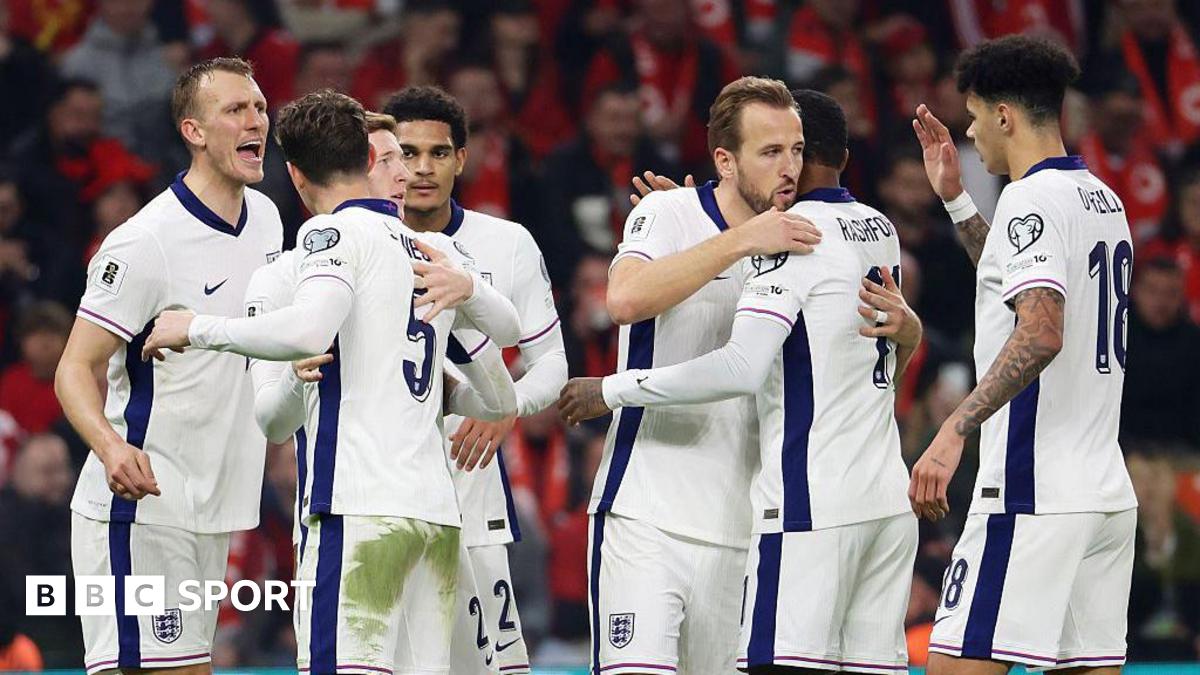
The Professional Footballers’ Association (PFA) chief executive recently highlighted concerns that players could be pressured, directly or indirectly, into political roles while representing their country on the world’s biggest football stage. This isn’t just about individual expression; it reflects broader questions about the business of sport, cultural diplomacy, and the responsibilities of national teams at a time when athletes are more visible and vocal than ever about social issues.
The balance between free expression and national duties
Athlete activism has grown in visibility across sports, with players using their platforms to advocate on issues ranging from human rights to climate change. In a World Cup setting, national teams operate under a banner of unity and shared purpose, but the reality is more complex. Players may want to comment on issues affecting their communities, while national federations and sponsors often seek to preserve a neutral, globally palatable image. The tension is real: protect the rights of players to speak out while safeguarding the team’s integrity and audience neutrality during a global tournament.
Implications for policy and governance
This concern sits at the intersection of sports policy, labor rights, and international diplomacy. Federations and unions are now tasked with clarifying guidelines that respect individual expression without compromising team cohesion or the event’s commercial and diplomatic aims. Such guidelines could cover pre-tournament media training, endorsement disclosures, and the boundaries of messaging during official team activities. For players, it means better clarity about expectations, potential repercussions, and channels to raise concerns without compromising their role on the field.
What this means for 2026 policy and regulation
– Athlete rights and protections: Expect ongoing discussions about safeguarding players’ rights to express personal views, while ensuring they’re not coerced or placed in a marketing alienation. Policies may emphasize voluntary messaging and clear opt-in processes for political statements.
– Federation governance: National associations may implement standardized media policies for major tournaments, including code-of-conduct provisions that balance freedom of expression with collective branding requirements.
– Sponsorship and fan engagement: Corporate partners and league sponsors are keen on predictable narratives. Guidelines that differentiate personal expression from team messaging could become a selling point for sponsors seeking to align with broad audiences while avoiding controversy.
– Global diplomacy and sports diplomacy: The World Cup remains a platform for cultural dialogue. How England’s players navigate this space could influence future discussions on how nations use sports as soft power and how to manage cross-cultural messaging in a single event.
Impact on England and the broader landscape
For England, a squad’s ability to express personal views without derailing on-field performance or fan engagement could become a focal area of preparation. Coaches, captains, and the federation may invest more in role clarity, media training, and legal guidance to navigate potential conflicts between personal beliefs and team responsibilities. Beyond England, this debate mirrors a wider shift in world sport where players are increasingly recognized as citizens with influence beyond the game. As tournaments become more globalized, the guiding principles around political expression will shape how teams participate in social discourse on the world stage.
What to watch next
– How federations codify player rights around political expression during major tournaments.
– The presence or absence of formal channels for athletes to advocate on social issues without impacting team branding.
– Reactions from fans, sponsors, and international bodies as new guidelines are implemented and tested during qualifying campaigns and major events.
– Legal reviews that may arise if players feel constrained by regulations governing personal expression while representing a nation.
In sum, the 2026 World Cup era is likely to bring sharper scrutiny of where sport ends and politics begins. England’s concern about becoming political spokespeople signals a broader policy conversation about safeguarding athlete autonomy while protecting the sport’s universal appeal. As stakeholders—players, unions, federations, sponsors, and fans—navigate this evolving landscape, the outcome will shape how national teams balance duty, rights, and dialogue on the world’s biggest stage.