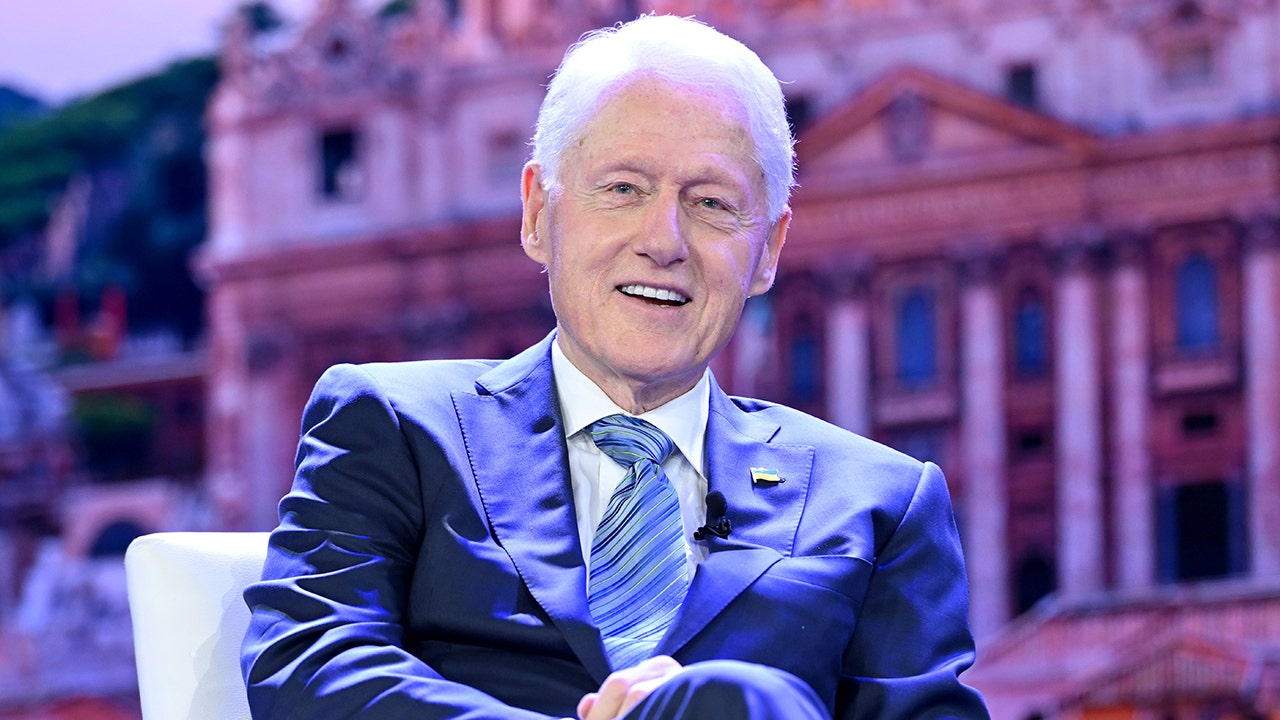
In a high-stakes moment before House lawmakers, former President Bill Clinton asserted that he has no knowledge of any relationship between Donald Trump and Jeffrey Epstein’s criminal activities. The deposition adds a fresh data point to the ongoing discourse surrounding Trump’s personal and political network, signaling how potential associations and denials could shape 2026 voter perceptions and GOP messaging. For analysts, the statement is less about a specific guilt or innocence question and more about how disclosures, defenses, and counter-narratives influence the political calculus around the Trump dynamic.
What Just Happened
Clinton’s testimony refines a portion of the public narrative that has long circled Trump and Epstein. The former president emphasized a lack of direct involvement or knowledge of Epstein’s crimes, aiming to constrain the scope of scrutiny. The exchange occurs amid broader investigations and congressional inquiries that scrutinize personal associations among powerful figures. While the remarks do not resolve lingering questions in the public arena, they crystallize a strategic line: deny explicit ties, limit liability, and pivot to issues where policy and governance stakes are clearer to voters.
Electoral Implications for 2026
– Voter Perception: The deposition may influence voters who prioritize integrity and accountability in leadership. Clinton’s denials could affect how the GOP framing around personal associations is perceived, especially among independents weighing the cost of controversy versus competence.
– Candidate Credibility: For Trump, the narrative of “disconnected associations” could be used to argue a separation between personal networks and official duties. Opponents may press the contrast with policy record and leadership style, seeking to recenter the debate on governance outcomes.
– Policy Framing: Expect campaigns to recast the Epstein topic as a proxy for broader questions about ethics, transparency, and accountability in government. Strategic communications will likely emphasize prosecutorial selectivity and the importance of focusing on policy solutions.
Public & Party Reactions
– Republican Messaging: Party spokespeople may stress legality and innocence, while highlighting concerns about selective scrutiny and the political weaponization of personal history.
– Democratic Response: Democrats could frame Clinton’s statements as evidence of a broader standard of scrutiny that applies to all public figures, while urging a continued emphasis on accountability and ethical governance.
– Media and Public Discourse: Coverage is likely to oscillate between legal nuance and narrative risk, with pundits weighing the implications for party branding and the 2026 campaign environment.
What This Means Moving Forward
– Strategic Focus: For 2026, the key takeaway is that personal associations in high-profile networks will remain a persistent frame. Campaigns will need credible, policy-driven counter-narratives to avoid over-reliance on scandal scripts.
– Governance Signals: The episode reinforces the importance of transparency and accountability in leadership, potentially shifting how voters evaluate candidates’ networks and advisory circles.
– Regulatory and Oversight Tone: While not a direct policy issue, the episode may influence the appetite for oversight enhancements or ethics reforms that parties could pursue as part of broader governance agendas.
Context and Forward-Looking Analysis
This development sits at the intersection of narrative management, reputational risk, and policy-focused persuasion. As the 2026 cycle intensifies, both major parties will navigate how to harness or contain revelations related to elite networks without derailing substantive policy debates. The Clinton deposition adds a layer to the ongoing conversation about how political figures distance themselves from controversial affiliations while maintaining legitimacy on governance priorities.
In sum, the deposition underscores a durable dynamic: personal associations will be scrutinized, but the political value lies in how candidates articulate policy competence, ethical standards, and a forward-looking vision for the country. The 2026 landscape will reward clear policy contrasts, disciplined messaging, and credible, transparent leadership.