Overview
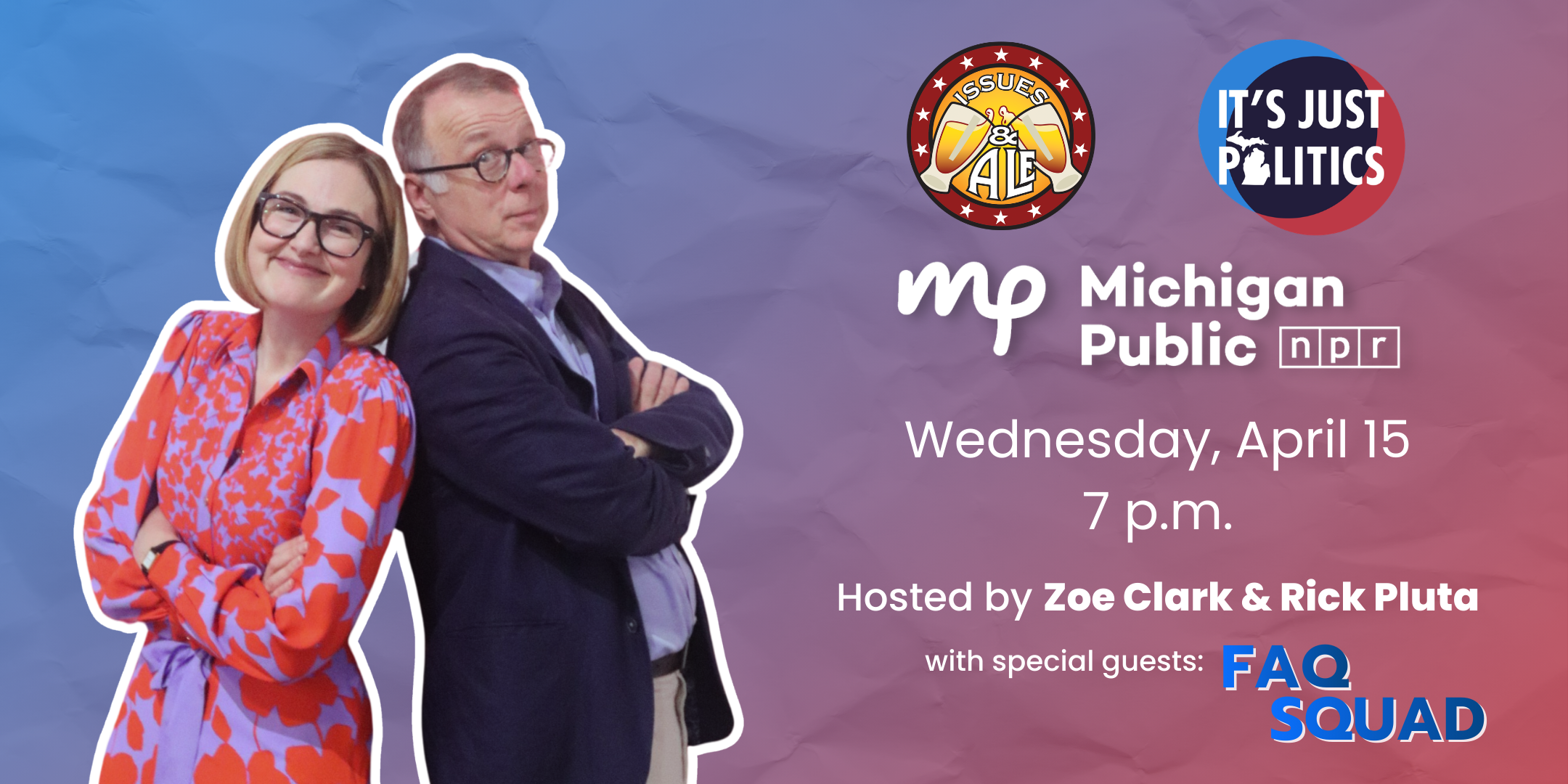
As the 2026 election cycle unfolds, Michigan Public Media is doubling down on clarity and fact-based reporting. Political Director Zoe Clark, Senior Capitol Correspondent Rick Pluta, and a rotating FAQ Squad of expert panelists are convening to dissect the year ahead. The goal: cut through noise, deliver practical insights, and help audiences understand how campaigns, policy debates, and regulatory dynamics will ripple across Michigan and the nation.
What Just Happened
The media team announced a refreshed, FAQ-driven panel format designed to illuminate the mechanics of the 2026 races. Expect in-depth explainer segments on key policy proposals, candid assessments of campaign strategies, and transparent breakdowns of how state and federal regulations could influence candidate messaging, voter access, and election administration. The approach signals a shift toward accessible, data-backed coverage that arms voters with actionable knowledge.
Public & Party Reactions
Early responses from political actors and analysts suggest a desire for deeper, nonpartisan dialogue around the election cycle. Advocates praise the FAQ Squad’s emphasis on verifiable facts and practical implications for daily governance. Critics question whether public-facing briefings can keep pace with evolving campaign tactics and rapid policy shifts. Regardless, the format appears primed to become a go-to resource for audiences seeking context, timeline clarity, and policy impact assessments ahead of the midterm and national contests.
Policy and Regulatory Context
The upcoming cycle is shaping up to feature a mix of traditional campaign issues—economic policy, health care access, education funding—and nuanced regulatory discussions around election administration, campaign finance disclosures, and data privacy in political outreach. The FAQ Squad’s framework is well-suited to unpack these topics: what policy changes are on the table, how they would affect voters and campaigns, and what regulatory gaps might emerge as technology and social media reshape political communication.
Campaign Strategy and Message Framing
With a crowded field and a hyper-competitive information environment, candidates will increasingly calibrate messages around concrete policy delivery timelines and measurable outcomes. The forthcoming coverage from Zoe Clark and Rick Pluta is expected to dissect:
- How candidates frame economic recovery, tax policy, and inflation relief.
- The practical implications of proposed regulatory changes on voter registration, ballot access, and election security.
- The balance candidates strike between partisan platforms and policy concretization that resonates with diverse constituencies.
What Comes Next
Looking ahead, audiences should expect:
- A steady cadence of in-depth segments that translate complex policy proposals into clear, real-world impacts.
- Regular fact-checks and data-driven analyses that contextualize polls within policy timelines and administrative processes.
- A focus on governance implications—how campaign promises translate into legislative action, budget allocations, and oversight.
Why This Matters for a 2026 U.S. Political Landscape
As election cycles become more intricate, the ability to translate policy talk into tangible outcomes becomes a competitive advantage for voters and policymakers. The Michigan Public team’s collaborative, FAQ-driven approach helps debunk misinformation, highlight trade-offs, and illuminate the regulatory environment shaping campaigns. For readers in 2026, this coverage offers a practical compass to navigate the interplay between political ambition, policy feasibility, and the administration of elections at both state and national levels.