Overview
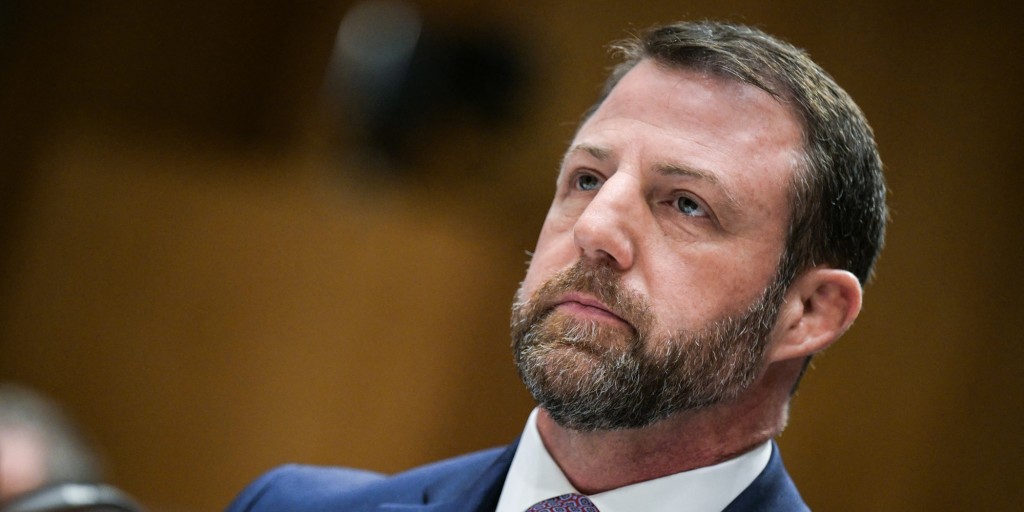
A high-tension moment unfolded at a Senate committee hearing as Rand Paul, the committee chair, pressed Markwayne Mullin during his confirmation process. The exchange centered on Mullin’s past remarks about Paul and questions surrounding “anger issues,” signaling how personal histories and perceived temperament can influence the trajectory of a pivotal governance appointment.
What Just Happened
During opening remarks, Paul forcefully challenged Mullin, questioning how his past comments reflect his readiness to serve in a role with significant oversight responsibilities. Mullin had previously remarked that he could understand why Paul faced physical assault in the late political climate, a claim that Paul leveraged to probe Mullin’s temperament and judgment under pressure. The moment underscored the intra-GOP dynamics at play and highlighted how leadership credibility is tested in real-time during confirmation hearings.
Public and Party Reactions
Supporters insist Mullin brings legislative experience, political resilience, and a direct approach to governance—traits seen as assets for driving policy agendas in a polarized environment. Critics, however, warn that temperament concerns could complicate Mullin’s ability to navigate Senate scrutiny, bipartisan negotiation, and delicate regulatory debates. The exchange also refracts broader questions about how the party plans to manage rising expectations for disciplined conduct alongside a need for strong, sometimes aggressive legislative tactics.
Policy Snapshot
The hearing’s core focus extended beyond personal rhetoric to policy implications tied to Mullin’s stated priorities and regulatory philosophies. Observers expect questions to probe Mullin’s stance on energy policy, infrastructure funding, and congressional oversight mechanisms. As a potential leading voice on governance and regulatory matters, Mullin’s approach could shape how aggressively Congress pursues reform, how it checks executive branch actions, and how it balances constituent interests with national policy objectives.
Who Is Affected
- Constituents in Mullin’s district and across the party seeking a forceful, results-oriented approach to governance.
- Industries tied to energy, infrastructure, and other sectors under regulatory review, where Mullin’s voting record and committee behavior could influence policy direction.
- The broader GOP leadership dynamic, as the outcome could influence future confirmations and the style of legislative battles in a divided Senate.
Economic or Regulatory Impact
If confirmed, Mullin’s tenure could tilt the balance of regulatory oversight toward a more assertive congressional stance. Expect attention on how aggressively the committee conducts inquiries, how it exercises its power of the purse, and how it negotiates regulatory reforms tied to energy, infrastructure, and other policy domains that intersect with economic growth and consumer protections.
Political Response
Republicans emphasizing experience and a pragmatic approach may frame Mullin as a steward of decisive action capable of advancing priority bills and oversight agendas. Democrats are positioning themselves to scrutinize temperament and consistency with stated policy commitments, signaling a potential battleground over how oversight is conducted and how regulatory reforms are pursued.
What Comes Next
- The committee’s line of questioning will likely broaden to specifics on Mullin’s policy positions, management of conflicts of interest, and commitment to bipartisan collaboration.
- If confirmed, Mullin could become a focal point in debates over energy policy, infrastructure funding, and oversight methods, potentially reshaping the pace and tone of regulatory reform.
- The exchange sets a precedent for how temperament and past remarks are weighed in confirmation battles, with implications for future nominations and the thresholds of partisan decorum.
Context and Outlook
This moment reflects ongoing dynamics within a GOP-led or competitive Senate where temperament, policy clarity, and leadership style are as consequential as policy positions themselves. As the hearing progresses, the administration and Congress will watch closely for signals about governance philosophy, the willingness to engage in bipartisan negotiation, and the readiness to steer regulatory policy through a contentious political landscape. The outcome could influence not only Mullin’s confirmation but also the broader cadence of congressional oversight and the administration’s regulatory agenda moving into 2026.