Overview
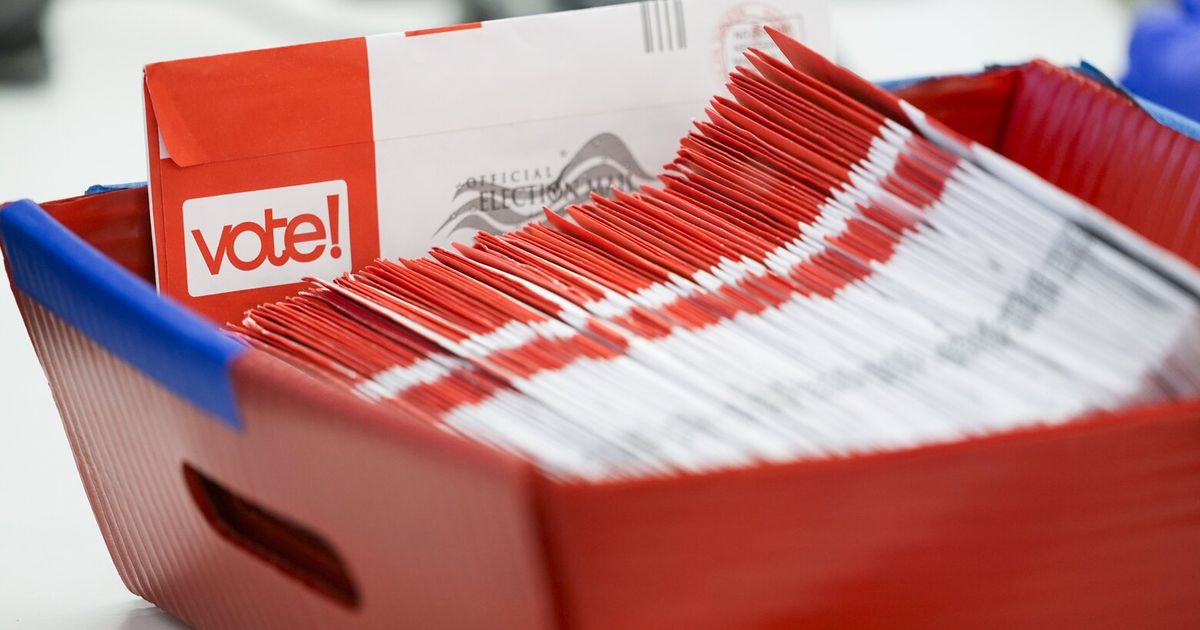
A renewed push of so-called “Stop the Steal” rhetoric has resurfaced in American political discourse, this time converging on Washington state’s vote-by-mail (VBM) program. After a quiet period, denialist narratives are re-emerging with claims about the integrity of mailed ballots, challenging a system that has grown popular for its accessibility and reliability. The renewed attention comes amid a broader national conversation about election integrity, regulatory safeguards, and the practical implications for voters and election officials.
What Just Happened
In recent weeks, proponents of election denialism have begun publishing arguments and organizing efforts aimed at Washington’s VBM process. The central claim is that mail ballots are susceptible to fraud or manipulation, despite a long record of bipartisan oversight and high voter confidence in Washington’s mail-based framework. Critics say the rhetoric can sow distrust even as election administrators point to audits, chain-of-custody procedures, and transparent reporting as foundational protections. The moment signals a strategic shift: denialist narratives, once on the periphery, are again positioning themselves as a counterweight to established voting norms.
Public & Party Reactions
Policy and party responses to this surge are likely to be mixed. Election officials stress the reliability and safety of VBM, highlighting routine post-election audits, signature verification, and secure ballot processing as safeguards. Democratic and Republican actors may diverge on how to communicate risk—some leaning toward stronger public education and clearer ballot integrity data, others advocating for stricter procedures or legal clarifications that address misinformation while maintaining broad access. The broader political environment may influence how aggressively lawmakers pursue reforms or oversight measures related to mail voting, even as Washington’s system remains widely trusted by voters.
Policy Context and Practical Implications
Washington’s vote-by-mail framework has long been cited as a model for convenient, high-turnout elections. Critics of denialist narratives argue that attempts to undermine VBM undermine voter participation and confidence in a core democratic process. Supporters of robust governance in elections emphasize the importance of transparency, continuous auditing, and rapid, factual rebuttals to misinformation. The debate surfaces several practical questions:
- What are the most effective ways to communicate the safeguards of VBM to the public?
- Should lawmakers consider adjustments to voting materials, signature verification, or ballot tracking to further reassure voters?
- How can election offices balance accessibility with rigorous security in an increasingly digital information landscape?
Impact on Voters and Administration
For voters, the immediate concern is ensuring access without compromising security. Washington’s VBM system has benefited from ease of use, with many residents appreciating the option to vote by mail and the convenience of extended ballot return windows. The denialist discourse could, however, create friction if it leads to unnecessary skepticism or political pressure on clerks and election workers. Administrators face the challenge of countering misinformation while continuing to deliver accurate, timely results and maintaining high participation rates.
What Comes Next
Expect ongoing coverage of efforts to defend or reform mail voting in Washington and other states. Potential developments include:
- Public information campaigns that clearly explain mail voting safeguards and audit results.
- Legislative proposals aimed at clarifying rules around ballot handling, verification, or post-election certification.
- Increased scrutiny of misinformation tactics and efforts to inoculate the electorate against false claims.
- Cross-state comparisons that assess best practices for safeguarding ballot integrity while preserving easy access for voters.
Long-Term Significance
The current moment underscores a broader trend: election systems are increasingly tested by misinformation dynamics even as their practical performance remains robust. Washington’s experience could influence national conversations about how to protect the credibility of mail voting, how to communicate security measures to the public, and how to design resilient election infrastructure for the future. As political dynamics evolve, the balance between accessibility and security will remain a defining feature of the American electoral landscape in 2026 and beyond.