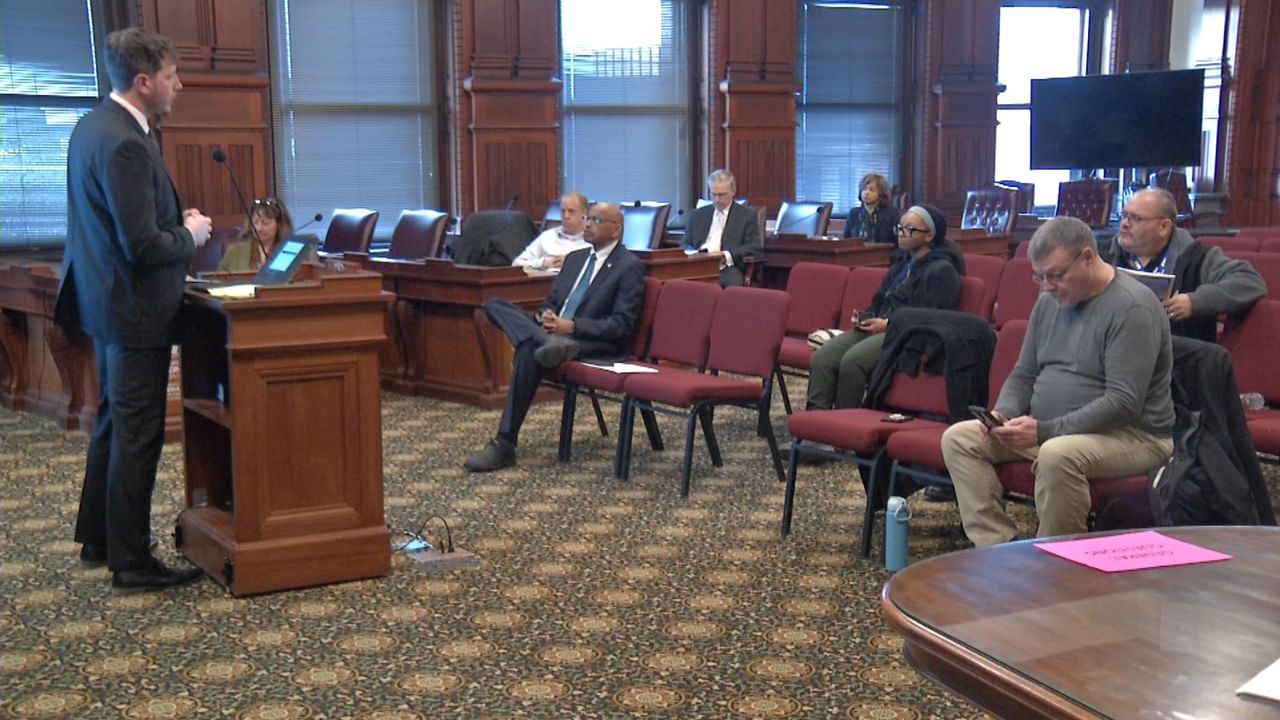
Rochester is turning to its residents to shape the next wave of housing-focused policy through the 2026 Annual Action Plan. As cities nationwide grapple with affordable housing, homelessness, and community development, Rochester’s approach emphasizes citizen input as a compass for allocating funds and designing programs that reflect local needs.
Policy Snapshot: What the plan seeks to achieve
The public comment phase centers on housing programs, a cornerstone of Rochester’s broader community development strategy. The Annual Action Plan translates federal and local resources into tangible initiatives—ranging from affordable housing production and preservation to rental assistance, home repairs for low-income homeowners, and supportive services that help households stabilize and thrive. By inviting feedback, city officials aim to validate priority areas, refine project scopes, and align investments with community priorities.
Who is Affected: Residents, renters, homeowners, and providers
The policy discussion touches a wide cross-section of Rochester’s population. Renters seeking stable housing and predictable costs stand to gain from programs designed to curb displacement and reduce cost burdens. Homeowners in need of critical repairs or weatherization assistance can access low-interest loans or grants. Nonprofit housing providers, neighborhood associations, and local developers also participate by offering insights into feasibility, timelines, and coordination with other city services. In short, the plan’s success hinges on inclusive engagement that captures diverse neighborhood needs.
Economic or Regulatory Impact: Money on the table and program design
The Annual Action Plan outlines how federal Community Development Block Grant (CDBG) and HOME Investment Partnerships Program funds—and potentially state and local contributions—are deployed. The outcomes influence construction activity, contractor opportunities, and the availability of subsidies for households. Regulatory implications include compliance with affordable housing thresholds, fair housing obligations, and performance reporting. For residents, the practical effect is clearer paths to rental assistance, repairs, and housing stability services within a predictable funding cycle.
Political Response: Balancing vision, accountability, and budget realities
City leaders face the delicate task of translating community feedback into actionable programs within budget constraints. Stakeholders may push for more ambitious affordability targets, faster timelines for housing development, or expanded home repair programs. Public comment sessions often reveal tensions between immediate affordability needs and longer-term neighborhood investments, highlighting the political dimension of governance where accountability, transparency, and measurable outcomes matter.
What Comes Next: From comments to action
After collecting input, the city will synthesize feedback into a revised Annual Action Plan draft. This draft will undergo formal approvals, typically involving council deliberations, potential amendments, and public hearings. Once adopted, the plan guides the use of federal and local funds for the coming year, with performance metrics tracked to assess program impact. Residents should anticipate further opportunities to engage as implementation proceeds, including progress reports and potential adjustments based on real-world results.
Why this matters for Rochester in 2026
The city’s approach signals a governance model that prioritizes public participation in shaping housing outcomes. In an era where housing stability is linked to economic opportunity, the effectiveness of the Annual Action Plan has broader implications for neighborhood resilience, equity, and long-term growth. For policymakers, the key test is translating feedback into efficient, transparent programs that deliver measurable improvements for households most in need.
Engagement tips for residents
- Attend or watch public comment sessions to voice priorities and concerns about housing programs.
- Bring data or anecdotes about rent burdens, maintenance needs, or service gaps in your neighborhood.
- Track how proposed programs align with equity goals and long-term affordability.
- Follow the plan’s progress through council updates and annual reporting to see how feedback translates into funding decisions.
In the 2026 cycle, Rochester’s Annual Action Plan process underscores the city’s commitment to citizen-driven policy making on housing. With input from residents, community groups, and housing providers, the plan aims to align resources with real-world needs, set clear outcomes, and foster stable, affordable housing across the city.