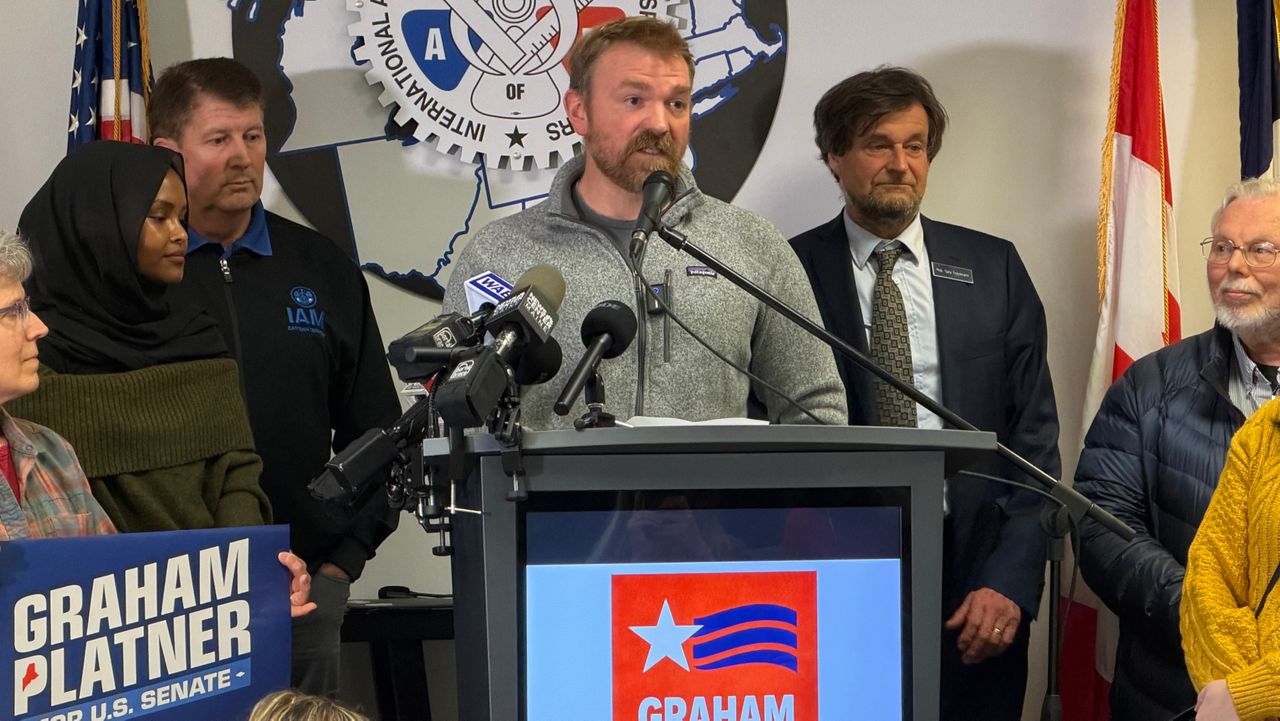
Overview
A recent political advertisement has reignited scrutiny over a prior, controversial comment attributed to Platner. The ad quotes Platner suggesting that women should “act like an adult” to avoid dangerous situations and avoid ending up “having sex with someone they don’t mean to.” While framed as a call to personal responsibility, critics argue the remarks reflect harmful gender stereotypes and could influence voters’ perception of Platner’s judgment and compatibility with contemporary policy priorities. In a tight 2026 political environment, opponents are leveraging the quote to question leadership temperament, ethics, and alignment with women’s rights and public safety concerns.
What Just Happened
The ad deploys a selective quotation to cast Platner as dismissive of women’s autonomy and safety, provoking immediate responses from rival campaigns and supporters alike. On one side, campaign critics say the remarks reveal a pattern of rhetoric that minimizes violence against women and blame-shifts accountability. On the other side, Platner’s allies insist the campaign is weaponizing a previously stated view out of context, arguing that the broader policy platform remains focused on safety, prevention, and strong law enforcement.
Public & Party Reactions
Response across the political spectrum has been swift. Opponents are amplifying the quote across social media and ad channels to argue that Platner’s leadership would undermine progress on women’s rights, reproductive autonomy, and public safety initiatives. Supporters are pushing back with fact-checks and talking points asserting that personal statements do not define a candidate’s policy decisions, and suggesting that the controversy distracts from substantive policy debates. The moment underscores how past remarks can re-emerge as political currency in 2026, complicating message discipline for campaigns already contending with broader voter concerns like inflation, healthcare, and education.
Policy and Campaign Implications
This controversy enters the broader electoral arena as a case study in message discipline, ethics, and the accountability dynamics of political communication. For Platner’s campaign, the challenge is twofold: reassure voters about safety and empowerment policies while addressing the optics of the past remark. Opponents aim to convert the controversy into a broader narrative about tone, respect for constituents, and the ability to lead on sensitive social issues. Both sides recognize that the incident touches deeper questions about how campaigns handle allegations of insensitivity, gendered language, and the line between personal history and public duty.
What Comes Next
Looking ahead, observers expect:
- A series of rapid-response statements from Platner’s team to contextualize the remark within a broader policy framework, including safeguards, education, and violence prevention initiatives.
- Fact-checking and rebuttals from both sides to frame the quote either as a misinterpretation or as emblematic of a broader stance.
- A continued focus on how campaigns address women’s safety, public behavior norms, and the responsibilities of leadership in preventing violence.
- Potential shifts in donor and grassroots support as campaigns test resilience against nostalgic or controversial references to past comments.
Context and Trends for 2026
This episode reflects a persistent tension in U.S. elections: balancing personal history with policy fitness. As voters weigh candidates, the impact of past statements on women, consent, and safety can serve as a proxy for broader judgment about temperament, empathy, and governance style. Analysts will watch how Platner’s message evolves—whether the campaign leans into policy specifics that address violence prevention and gender equity, or doubles down on controlling the narrative around past remarks.
Bottom Line
In an era where opposition contenders are quick to weaponize past statements, Platner’s ad highlights the enduring importance of accountability, clear policy positions, and respectful, inclusive rhetoric. The 2026 landscape will continue to reward campaigns that translate controversy into credible, policy-driven leadership narratives while managing the reputational risks that arise from historically contentious comments.