Overview
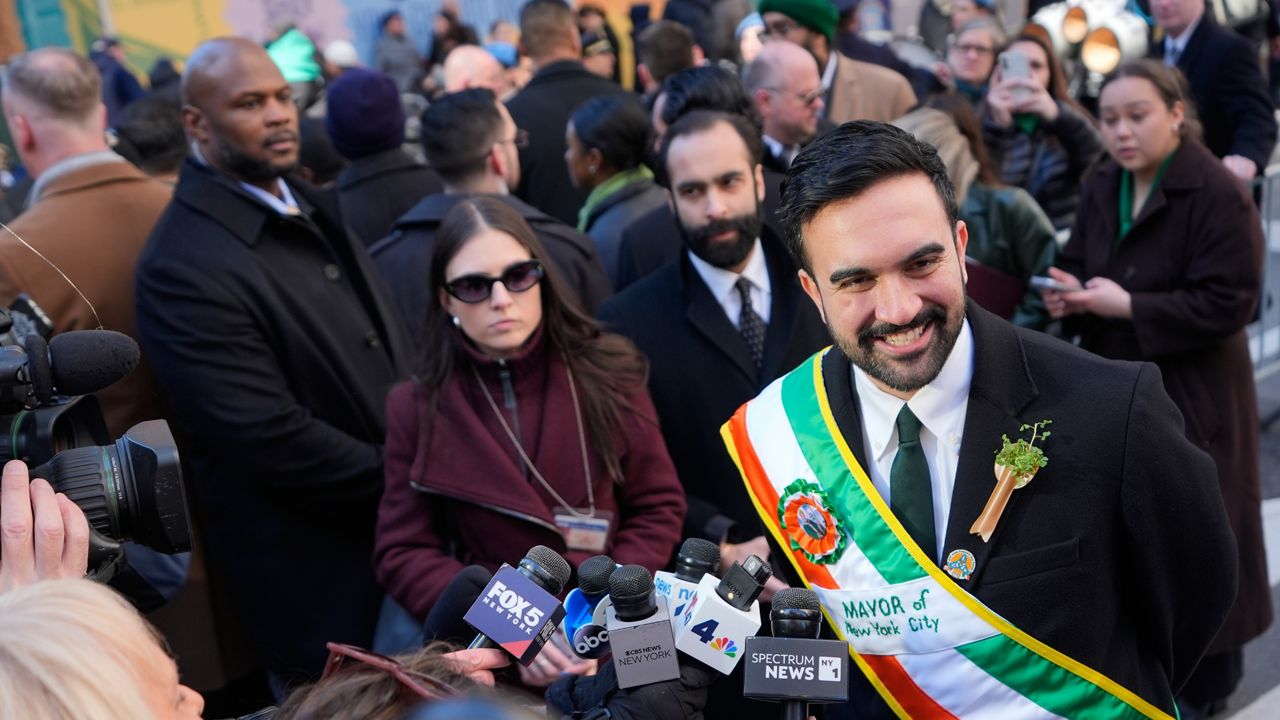
A recent public gesture by a prominent political figure has spotlighted outreach to Catholic communities in New York, including a Mass attendance at St. Patrick’s Cathedral. The moment signals a broader strategic move: leveraging faith-based engagement to shape urban policy conversations, appeal to Catholic voters, and bolster a narrative of inclusion and shared civic responsibility ahead of the 2026 political cycle.
What Just Happened
The individual in question took part in a Mass at St. Patrick’s Cathedral, underscoring a deliberate effort to connect with Catholic constituents in a historically pivotal urban enclave. Such appearances serve multiple objectives: signaling respect for religious practice, aligning policy messaging with faith-based values, and signaling a willingness to engage with diverse community leaders on issues ranging from education and social services to public safety and economic opportunity.
Public & Party Reactions
Reaction spans a broad spectrum. Supporters frame the move as a pragmatic, inclusive approach to governance—recognizing the influential role of Catholic communities in shaping urban policy and civic life. Critics may view it as a calculated political gesture aimed at offsetting criticism or broadening electoral appeal. Within party circles, the moment can be translated into a narrative about bipartisanship, faith-integrated governance, and attention to urban concerns that affect families, small businesses, and faith-based organizations.
Policy Signals and Civic Messaging
This outreach aligns with broader patterns in contemporary U.S. politics: candidates and elected officials increasingly foreground faith communities to discuss tangible policy outcomes. In practical terms, the messaging likely touches on education funding, healthcare access, crime prevention, housing affordability, and community development—issues where Catholic social teaching and urban policy intersect. By foregrounding these topics in a high-profile faith setting, the public figure aims to shape the policy conversation around shared values—dignity, service, and opportunity.
Implications for Urban Policy Debate
- Education and Social Services: Catholic educational institutions and parishes are traditional partners in community aid. The outreach could signal openness to expanding partnerships, funding streams, or parental choice in education while preserving religious liberty protections.
- Public Safety and Community Wellness: Faith leaders often play a mediating role in reconciliation and reintegration programs. The gesture may precede proposals emphasizing community policing, violence reduction, and access to supportive services for vulnerable residents.
- Economic Opportunities: Urban economic plans that emphasize workforce development, small-business support, and equitable growth resonate with faith-based communities’ emphasis on stewardship and service.
What Comes Next
Expect further faith-based engagements as part of a larger strategy to broaden cross-cutting appeal in key urban districts. Look for:
- Policy rollouts or white papers that tie urban governance goals to Catholic social values.
- Community roundtables with clergy, nonprofit leaders, and neighborhood groups to translate values into concrete programs.
- Messaging that integrates moral framing with pragmatic policy proposals to address cost of living, schooling, and safety concerns in crowded city environments.
Context for 2026 Analysis
This move reflects a broader trend in U.S. politics where faith communities, particularly in major metropolitan areas, remain a critical landscape for electoral persuasion and policy formulation. Candidates are navigating a nuanced path: honoring religious identity and institutional concerns while advancing broad, inclusive governance that appeals to diverse urban constituencies. As campaigns unfold, the interplay between faith-focused outreach and policy specificity will be a telling indicator of a candidate’s seriousness about governance versus messaging.
Forward-Looking Risks and Opportunities
- Risk: Perceived sectarian optics could complicate broader coalition-building if not paired with universal policy commitments.
- Opportunity: Strengthening faith-community partnerships can accelerate policy implementation through trusted local networks, enhancing program uptake and legitimacy.
- Strategic emphasis: Translate faith-inspired values into scalable, evidence-based urban policies that address affordability, safety, and opportunity while preserving constitutional protections for religious practice.
If you’re tracking how faith-based engagement shapes urban policy and 2026 political strategy, this recent outreach signals a disciplined approach to message framing, community alignment, and tangible governance proposals.