Situation Brief
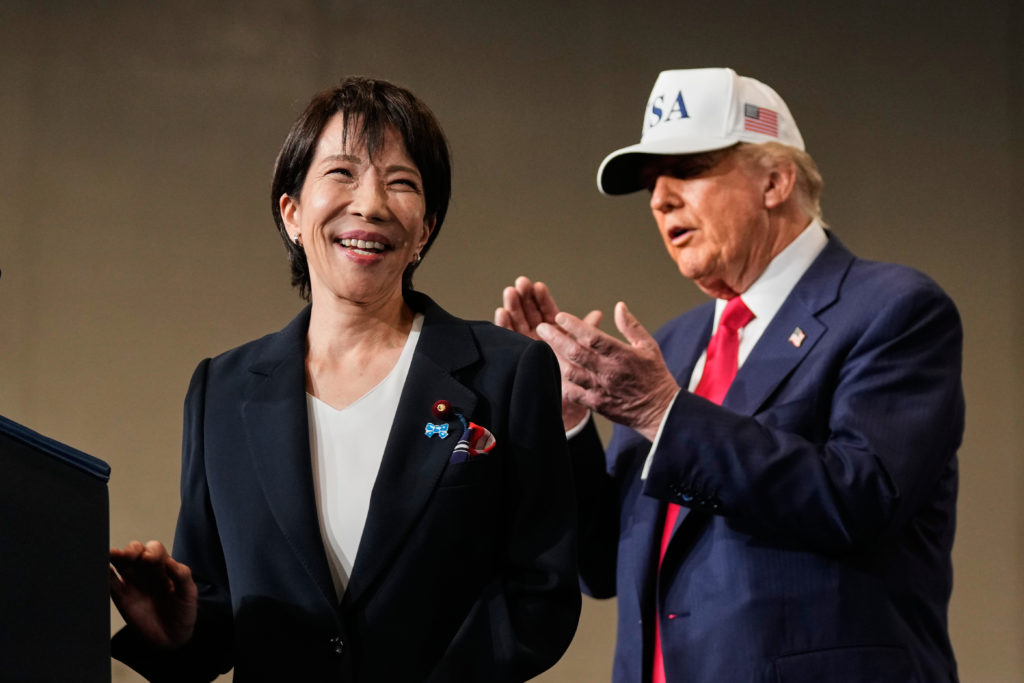
Japan’s prime minister, Sanae Takaichi, is en route to Washington for what officials describe as a “very difficult” engagement with U.S. President Donald Trump. The trip comes amid broader fallout from the Iran war that is rippling through international security calculations, defense postures, and alliance coordination in the Indo-Pacific. Tokyo aims to secure a synchronized approach with Washington on deterrence, missile defense updates, and energy security while navigating Japan’s own pacifist constraints and a wary public at home.
Strategic Stakes
At stake is the depth and direction of the U.S.-Japan security partnership at a moment of elevated risk in the region. Washington seeks to reaffirm its extended deterrence commitment and push for closer coordination on intelligence sharing, joint exercises, and technology collaboration—especially in areas like advanced missile defense, space surveillance, and cyber resilience. For Tokyo, the challenge is balancing a robust security posture with domestic political sensitivities, economic continuity, and alliance management amid competing regional pressures, including North Korea’s provocations and China’s growing assertiveness.
Impact on US Interests
The talks are closely watched for signals on Japan’s role in broader U.S. efforts to deter adversaries and stabilize regional hotspots. A constructive alignment could accelerate joint procurement of defense systems, accelerate allied burden-sharing discussions, and strengthen supply chain resilience for critical defense technologies. Conversely, any drift in policy or optics of friction could complicate Washington’s ability to sustain a unified front in the Indo-Pacific and could prompt Tokyo to seek diversified security partnerships.
Global Power Dynamics
Iran’s war and its spillover effects—such as oil price volatility, Gulf security realignments, and maritime security concerns—are complicating Washington’s ability to maintain a cohesive coalition in the Middle East while not hindering its strategic pivot toward Asia. Japan’s leadership transition adds another layer of complexity; Washington will be keen to demonstrate steady leadership and credible commitments to partners who are balancing regional ambitions with domestic constraints.
Forward-Looking Risks
- Deterrence coherence: Any misalignment on red lines or capabilities could erode confidence in extended deterrence.
- Alliance burden-sharing: Domestic politics in Japan could influence Japan’s willingness to invest in higher defense spending or accelerate procurement schedules.
- Economic resilience: Sanctions, shipping disruptions, or energy market shifts tied to Iran-related tensions could affect Japan’s energy security and industrial policy.
- Technological interoperability: Progress on joint advanced weapons systems, space assets, and cyber defenses will shape future interoperability with U.S. forces.
What Comes Next
Observers expect a mix of pragmatic concessions and reaffirmations. Key topics likely include: enhanced intelligence collaboration, acceleration of joint exercises, funding and timelines for critical defense acquisitions, and diplomatic messaging aimed at preserving regional deterrence while avoiding escalation. The outcome could set the tone for subsequent trilateral or quadrilateral security discussions involving allies in the region.
Context
This moment underscores how conflict spillovers far from the Pacific are shaping alliance calculus. The United States remains focused on preventing a broader security disruption while supporting partners in Asia who must navigate their own political and economic realities. Japan’s leadership will be judged on its ability to balance a credible security posture with domestic consensus, signaling whether the U.S.-Japan alliance will hold steady or recalibrate under emerging geopolitical pressure.
Immediate Reactions
Experts anticipate a measured public tone, emphasizing alliance unity while signaling tough negotiating positions on defense spending and technology cooperation. Markets, defense contractors, and security analysts will watch for concrete announcements on procurement pipelines and cooperation frameworks.
What to Watch
- Any shifts in Japan’s defense budget or procurement timelines.
- Announcements on joint exercises, intelligence-sharing protocols, and space/cyber collaboration.
- Diplomatic language regarding shared challenges from Iran-related volatility and broader regional security concerns.
This article provides a forward-looking, analytic view of how Iran-related fallout is influencing the United States’ alliance with Japan, highlighting strategic stakes, potential policy directions, and the long-term implications for regional and global power dynamics.