Overview
Illinois is hosting its primary elections at a pivotal moment for national debates on election integrity and voter identification. With party leaders and lawmakers weighing the implications of the Trump-backed SAVE America Act, the Illinois vote serves as an early indicator of how concerns about voting security are translating into campaign messaging, policy priorities, and coalition-building ahead of the 2026 midterms. Analysts are watching not just who wins but how issues of voter ID and election administration shape candidate positioning, voter engagement, and state-level regulatory footprints.
What Just Happened
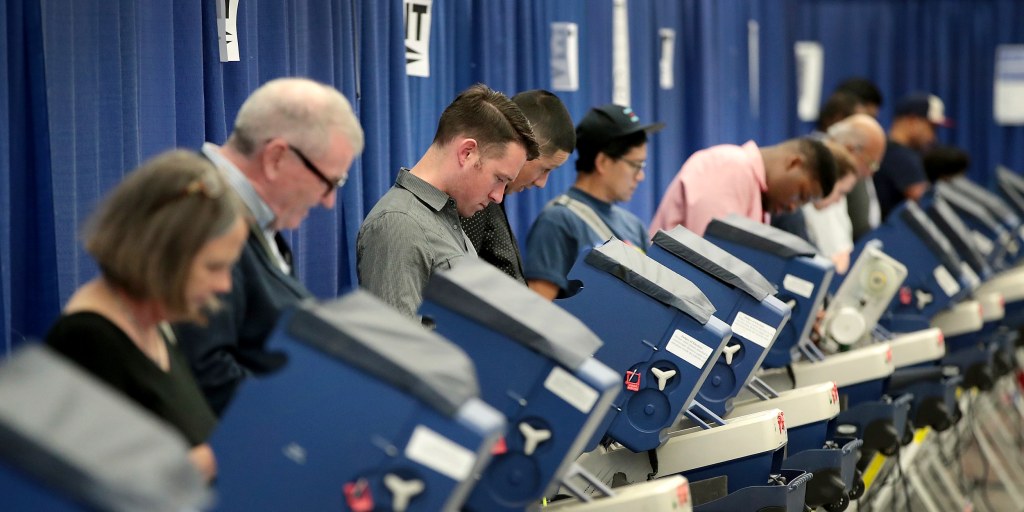
Across Illinois, voters headed to polling sites to decide among candidates in competitive races, while legislators at the federal level advanced discussions around voter identification requirements. The SAVE America Act has become a rallying point for proponents of stricter identification at the polls, arguing it would curb fraud and restore trust in election outcomes. Opponents warn of disenfranchisement risks, particularly for historically underrepresented communities. The intersection of these debates with primary dynamics highlights how parties are calibrating their stances on election policy as a strategic differentiator.
Public & Party Reactions
Campaigns and party committees are framing the Illinois primary as a test case for how voter ID propositions resonate with their bases. Supporters of stronger ID requirements emphasize security and legitimacy, arguing that primary voters may demand clear standards before general elections. Critics stress that any new requirements could reduce turnout or disproportionately affect marginalized voters. National observers expect responses to these developments to influence fundraising, endorsements, and candidate recruitment across battleground states.
Policy Context and Stakes
- Election integrity vs. accessibility: The central tension in the discussion around the SAVE America Act is balancing robust safeguards with inclusive voting access. Illinois’ primary results may reveal how much insistence on ID resonates in an electorate that is historically diverse and politically varied.
- Federal influence on state processes: While primaries are state-led events, federal policy proposals can frame local conversations. The Illinois outcome could either accelerate or temper momentum behind federal ID reforms, depending on how primary voters respond to the prevailing narratives from both parties.
- Coalition dynamics: The primary landscape often foreshadows shifts in party coalitions. If pro-ID candidates gain traction, expect a sharper alignment with stricter election rules within the party base; if opposition to ID measures gains ground, it could signal renewed emphasis on voting access and civil rights protections.
What Comes Next
- Post-primary analysis will evaluate candidate positioning around voter ID, with attention to how Illinois results influence national conversations in Congress and within party infrastructures.
- If the SAVe America Act gains traction in the wake of Illinois results, expect intensified lobbying, messaging, and potential amendments aimed at refining ID requirements without suppressing participation.
- Regardless of outcome, outlined policy directions are likely to inform gubernatorial and congressional campaigns across other states, particularly in regions weighing similar election-security proposals.
Impact on Governance and Strategy
The Illinois primary operates as a microcosm of the broader US debate on how to secure elections while maintaining broad participation. For candidates, the message discipline around voter ID will be a litmus test for alignment with party platforms and voter concerns. For lawmakers, Illinois serves as a barometer of how policy proposals translate into voter attitudes, campaign financing, and legislative momentum. In the broader arc toward the 2026 midterms, expect the Illinois outcome to crystallize strategic bets on whether tougher ID rules will gain momentum or yield pushback rooted in civil rights and voting access arguments.
Conclusion
Illinois’ primary elections illuminate a critical axis in US politics: the push for stronger election integrity measures versus the imperative to protect accessible, fair participation. As discussions around the SAVE America Act unfold, analysts will gauge how the balance between security and access shapes candidate strategies and, ultimately, the political landscape ahead of the 2026 electoral cycle.