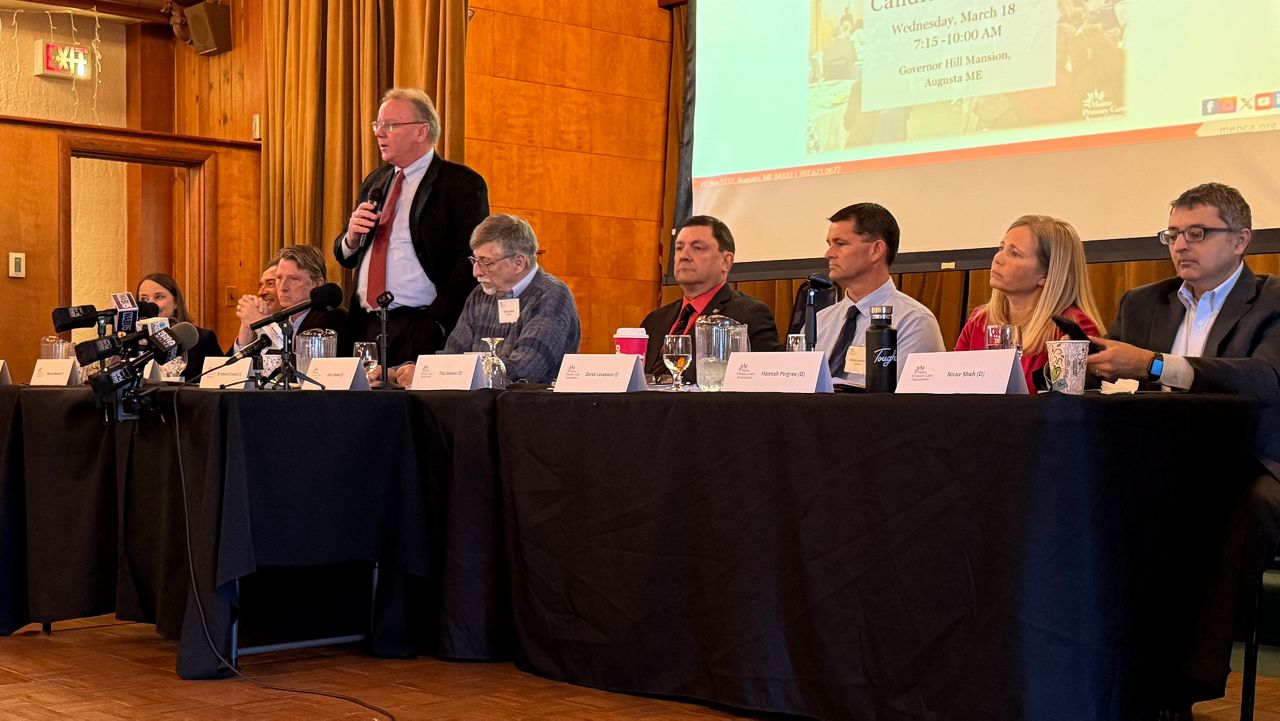
Maine’s health care policy conversation is turning toward practical, local-focused solutions that pair facility support with workforce development. At a recent candidate forum, Secretary of State Shenna Bellows outlined a plan to bolster community health access by investing in housing and targeted recruitment for doctors and nurses. The proposals reflect a broader trend in 2026 campaigns: shifting from broad promises to concrete, place-based strategies that connect health systems with the social determinants of health and the labor market.
Policy snapshot: what Bellows is proposing
Bellows’ approach centers on strengthening the health care ecosystem where it matters most: communities that struggle with physician and nurse shortages, housing instability among providers, and the logistical barriers that keep rural or underserved areas from attracting and retaining talent. The core ideas include:
- Housing investments for health care workers and facilities to stabilize the workforce in high-need areas.
- Recruitment incentives to attract physicians, nurses, and allied health professionals to Maine’s local health systems.
- Potential partnerships with hospitals, clinics, and community organizations to align housing, transportation, and educational pathways for prospective providers.
Who is affected: communities, providers, and patients
The policy frame targets:
- Local health care providers who face housing affordability and recruitment hurdles, which can constrain service capacity and continuity.
- Rural and semi-urban communities with persistent access gaps, where workforce shortages directly impact patient outcomes and wait times.
- Patients and families who experience longer travel times, wait lists, or delayed services as providers navigate staffing and housing challenges.
Economic and regulatory impact: practical considerations
The proposed investments could influence several streams:
- Economic: Increased local spending linked to housing subsidies or incentives may stimulate construction, property markets near health campuses, and ancillary services. While upfront costs exist, the long-term savings from improved access to care and reduced provider turnover could be meaningful.
- Regulatory: Programs would likely require targeted funding mechanisms, application criteria for housing assistance, and transparent reporting on workforce outcomes to ensure accountability.
- Health system viability: By stabilizing the provider workforce and improving living conditions for staff, clinics and hospitals can maintain service levels, particularly in underserved regions.
Political response and electoral implications
Candidates in Maine’s 2026 race are weaving health care stability into broader governance themes—local empowerment, community resilience, and responsible budgeting. Supporters argue that housing-linked workforce strategies can reduce geographic disparities in care, improve patient outcomes, and strengthen the social fabric of healthier, more connected communities. Critics may push for clearer metrics, cost controls, and demonstrations of return on investment, especially as state budgets face competing priorities.
What comes next: path to implementation and accountability
If these ideas advance beyond campaign forums, several steps will shape their viability:
- Stakeholder alignment: Align health systems, housing authorities, and workforce development agencies to define roles, funding streams, and eligibility criteria.
- Pilot programs: Start with targeted communities to assess housing support models for providers and measure impact on recruitment and retention.
- Metrics and transparency: Establish clear indicators—provider occupancy, patient access metrics, wait times, and cost per outcome—to guide ongoing adjustments.
- Budget considerations: Identify funding sources, whether through state appropriations, federal grants, or public-private partnerships, and evaluate long-term sustainability.
Rising themes in health policy
Maine’s conversation reflects a broader national pattern: health care access increasingly intersects with affordable housing, workforce development, and regional economic strategy. As patient needs evolve and provider shortages persist, policy playbooks that blend housing, incentives, and workforce pipelines may become essential tools for maintaining robust health systems across states.
Bottom line
Investing in housing and targeted recruitment for health care workers represents a pragmatic, place-based strategy to expand access and stabilize Maine’s health systems. For voters, the key questions will be about cost, accountability, and measurable outcomes—how quickly such programs can scale and whether they deliver tangible improvements in patient care and provider stability across the state.