Overview
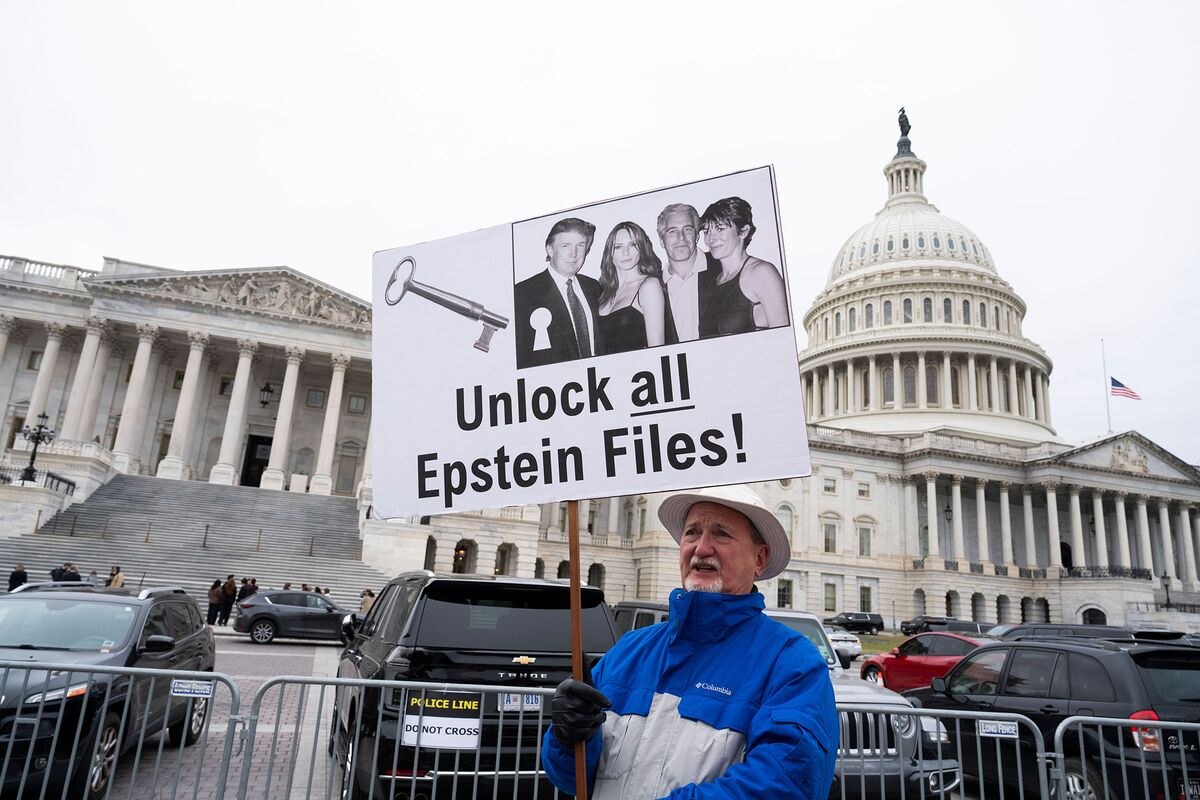
Newly released Justice Department files are feeding a wave of populist unease about accountability and the boundaries of political power. In a political landscape already tense around governance and trust in institutions, the revelations are fueling calls for dramatic changes in how the legal system, regulatory bodies, and political actors operate. The fallout could influence policy debates, regulatory reforms, and even the incentives that shape future elections.
What Just Happened
If the released materials reveal patterns of apparent favoritism, selective enforcement, or opaque decision-making, lawmakers and opinion leaders are likely to seize on them as proof that reforms are overdue. The exact nature of the files will determine the trajectory: whether they prompt targeted fixes to specific procedures, broad measures to increase transparency, or political steps designed to recalibrate the balance of power between branches of government and the judiciary. In any case, the moment underscores a growing demand for accountability as a political constant.
Public & Party Reactions
Public sentiment is likely to skew toward skepticism of institutions perceived as insulated from accountability. Critics may call for independent oversight, stronger whistleblower protections, and more robust auditing of enforcement actions. Political reactions will hinge on how parties frame responses: for some, the focus will be practical, emphasizing procedural reforms and safeguards; for others, the emphasis will be on political blame, partisan advantage, and the pursuit of ballot-box leverage.
Policy Snapshot
The episode shines a spotlight on accountability mechanisms across government—how data is collected, how decisions are documented, and how accessible those decisions are to the public and to oversight bodies. Policymakers could respond with proposals aimed at closing loopholes, standardizing case-processing timelines, and mandating clearer justification for key actions. The policy conversation may extend to how the justice system coordinates with regulatory agencies to prevent conflicts of interest and ensure uniform standards of conduct.
Who Is Affected
Broad segments of society could feel the impact, especially those with direct interactions with federal agencies, stakeholders in regulatory programs, and communities disproportionately affected by enforcement strategies. For citizens, the topic translates into questions about how decisions are made, who polices those decisions, and what recourse exists when outcomes feel opaque or biased.
Economic or Regulatory Impact
If reform proposals emerge, the practical effects could include changes in the cost of compliance, the speed of regulatory actions, and the predictability of enforcement. Businesses, nonprofits, and state actors may experience a recalibration of risk and a reprioritization of resources toward governance improvements, auditing, and compliance programs. In the longer term, stronger accountability standards could improve investor confidence and market integrity, even as some actors push back against tighter oversight.
Political Response
Expect a spectrum of political messaging. Reform-minded lawmakers may advocate for independent inspectors general, enhanced transparency requirements, and clearer lines of authority between agencies. Opponents could frame changes as overreach, arguing that excessive regulation could hamper law enforcement efficiency or politicize the judiciary. The balancing act will be to preserve robust enforcement while reinforcing public trust through transparency and accountability.
What Comes Next
The trajectory depends on the volume and specificity of the released materials, plus the leadership dynamics in Congress and within major parties. Possible next steps include: a bipartisan push for enhanced oversight authority, hearings to scrutinize decision-making processes, and legislative packets focused on procedural reforms. The next chapter will reveal how far political actors are willing to go to align governance practices with public expectations.
Forward-Looking Risks
- Erosion of legitimacy if reforms are viewed as cosmetic or selectively applied.
- Pushback from stakeholders who fear slowed enforcement or increased compliance burdens.
- Opportunities for a constructive reset if reforms are implemented with clear objectives, measurable benchmarks, and independent oversight.
Conclusion
The public release of DOJ materials has amplified a core pressure point in contemporary governance: ensuring accountability without compromising effective law enforcement. As the debate unfolds, policymakers face a pivotal question about how to strengthen institutions in a way that sustains public trust, supports fair enforcement, and clarifies the rules of the game for all actors in the federal system. This moment could shape governance norms for years to come, influencing both policy design and electoral dynamics.