Overview
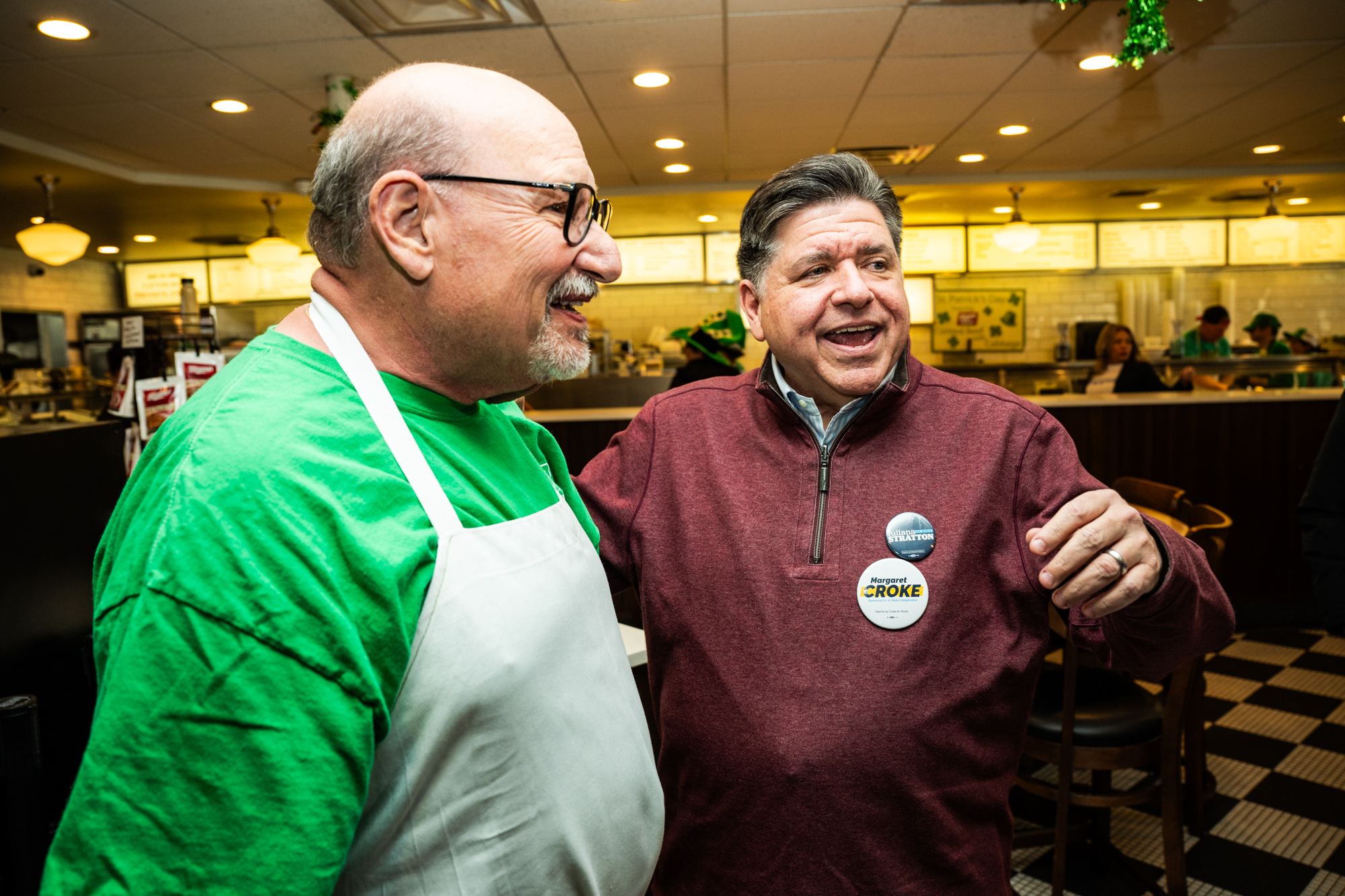
A lively scene unfolded at Manny’s, the iconic South Loop diner, as multiple political candidates converged on Tuesday’s St. Patrick’s Day festivities to shake hands, field questions, and press the importance of community connections. The influx of candidates to a single, neighborhood-centered venue illustrates how 2026 campaigns are balancing traditional in-person outreach with the realities of crowded urban electorates. In short, Manny’s served as a microcosm of contemporary campaign strategy: accessibility, name recognition, and the cultivation of voter rapport in everyday settings.
What Just Happened
The scene at Manny’s was unmistakable: rivals and supporters sharing the same table in a high-traffic, high-visibility moment. Campaign staffers lined up to coordinate meet-and-greets, while diners enjoyed their corned beef sandwiches and chowder, occasionally stepping into the spotlight for a quick handshake or photo moment. This convergence is more than a photo op; it signals a deliberate emphasis on local, person-to-person campaigning. In the era of digital persuasion, candidates still recognize the value of tangible, on-the-ground moments that can translate to earned media, word-of-mouth buzz, and a sense of community tie-in with voters who crave accessibility from those seeking public office.
Public & Party Reactions
Observers noted the etiquette of respectful congestion: politicos moved efficiently through the crowd, listening sessions and brief policy pitches punctuating the conversations. The event drew a spectrum of reactions—from voters who appreciate direct access to those who weigh whether such appearances translate into substantive policy commitments. For the parties, these appearances are a chance to demonstrate grasp of everyday concerns—cost of living, public safety, small-business vitality, and neighborhood amenities—while calibrating messages for diverse urban constituencies. The cross-pollination of candidates at a single venue also offers a live testing ground for policy emphasis, branding, and contrast between competing visions for city governance and national priorities that resonate at the local level.
Policy-Driven Angle: What This Signals for Campaign Strategy
- Voter-centric messaging: Campaigns appear to prioritize listening posts that surface local grievances—noise regulations, transit reliability, small-business subsidies, and responsive municipal services. The approach aims to convert casual encounters into concrete policy inquiries and potential vote shares.
- Local economy lens: The setting reinforces how candidates frame economic narratives—small-business resilience, affordable dining and housing, and municipal support for neighborhood staples that anchor communities.
- Gender, racial, and generational outreach: The candid conversations at Manny’s likely showcased a range of voices, underscoring the importance of inclusive outreach to diverse urban districts that shape 2026 legislative and mayoral trajectories.
- Media amplification: In a digitally saturated year, curbside interactions can yield shareable moments that seed broader media coverage and social engagement, reinforcing candidate visibility beyond traditional rallies.
Who Is Affected
- Urban voters and neighborhood business communities stand to gain from heightened attention to local issues, transparent candidate outreach, and clearer policy commitments that tie city services to daily life.
- Local diners and small businesses may experience heightened foot traffic during campaign cycles, with potential concerns about crowds, safety, and the balance between promotional visibility and ordinary customer experience.
- Campaign organizations and political parties gain a live-testing ground for field operations, message synchronization, and field coordination in crowded urban settings.
Economic or Regulatory Impact
- Focus on small-business vitality: Campaigns spotlight policies supporting neighborhood eateries, licensing efficiency, and business-friendly regulations that could shape municipal budgets and regulatory landscapes if elected.
- Public space usage and event management: The gathering at Manny’s raises questions about permitting, security, and the governance of high-visitor events in dense urban corridors.
What Comes Next
- Expect more in-person outreach in major urban centers as candidates test messages in authentic, everyday settings.
- Voters should watch for whether such appearances align with articulated policy plans and legislative agendas, particularly in areas like housing affordability, transit reliability, and public safety.
- Local media and civic organizations will likely scrutinize whether these visits translate into substantive policy commitments or remain largely symbolic.
Context and Takeaway
The Manny’s outing underscores a perennial truth of American politics: the value of reaching voters where they live. In 2026, campaigns seem to be optimizing the blend of digital persuasion with tactile, in-person moments to sustain engagement, particularly in fast-changing urban landscapes. For voters, the key takeaway is to listen for concrete policy signals attached to the empathy and accessibility these events try to cultivate, ensuring that the enthusiasm of the moment translates into accountability and tangible governance outcomes.