Overview
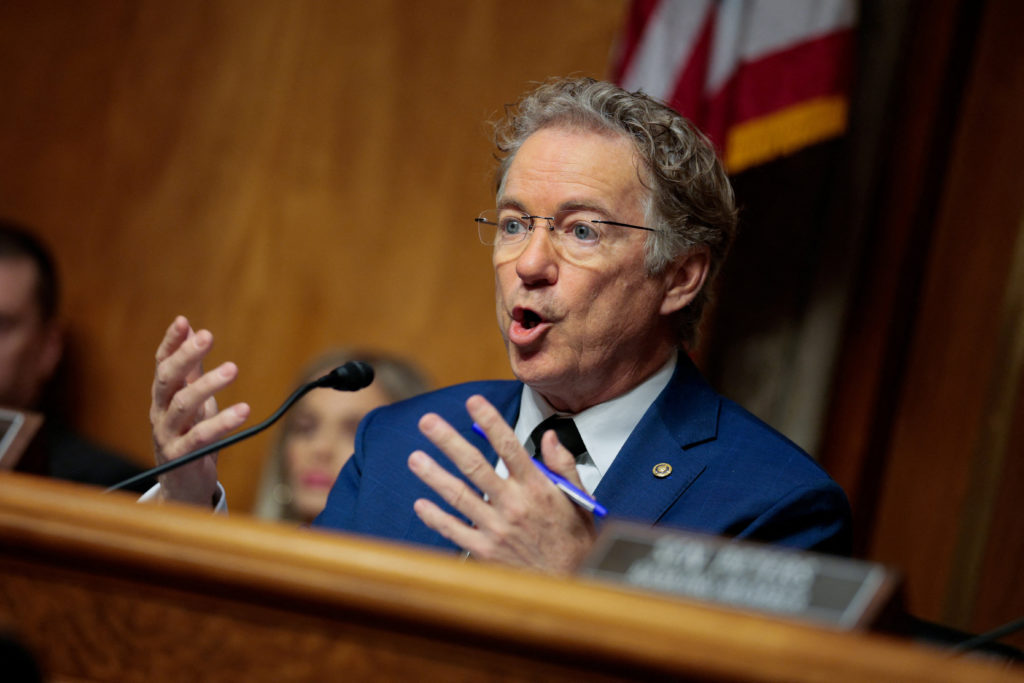
During a recent Senate confirmation hearing, questions from Senator Rand Paul addressed a contentious issue: can or should violence ever resolve political differences? The DHS nominee, Mullin, faced direct interrogation on his views about political violence and the appropriate role of state power in safeguarding democratic processes. The exchange underscored heightened scrutiny of how homeland security leadership would address civil unrest, political extremism, and the balance between security measures and civil liberties in a polarized political climate.
What Just Happened
Senator Paul pressed Mullin on whether violence is a legitimate tool to settle political disputes, probing for his interpretation of political violence in the context of domestic security responsibilities. The exchange highlighted a broader debate about how the Department of Homeland Security should respond to violent actors across the spectrum—whether from extremist groups or political opponents—and what standards should guide enforcement, prevention, and resilience strategies. The nominee’s responses—whether clarifying support for nonviolent democratic processes or offering nuanced stances on security interventions—will be pivotal for confirmation and for signaling the administration’s stance on political stability and civil discourse.
Public & Party Reactions
Reaction to the hearing is likely to be mixed across parties and security-focused constituencies. Supporters may emphasize the importance of clear leadership in safeguarding democratic processes and preventing violence that disrupts elections and governance. Critics may push for stronger assurances that security policy will not overstep civil liberties, or that it will aggressively address violent actors irrespective of ideological affiliation. The exchange may influence how lawmakers frame DHS oversight, including potential modifications to threat assessment, information sharing, and community resilience initiatives designed to prevent political violence from escalating.
Impact on Policy Trajectory
The hearing arrives at a moment when domestic policy and regulatory approaches to political violence are under intense scrutiny. Key policy questions include: how DHS will balance the protection of critical infrastructure and peaceful assembly with safeguarding civil rights; the scope of preventive intelligence and community-based policing; and the mechanisms for safeguarding elections from political violence. The nominee’s stance could shape DHS priority areas, such as threat prioritization, grants for community-focused intervention programs, and interagency coordination with the FBI and other security partners. Importantly, the discussion may influence congressional sentiment on oversight, funding allocations, and statutory authorities related to domestic extremism and political violence prevention.
What Comes Next
If confirmed, Mullin would lead a department at the nexus of national security and domestic governance. Expect ongoing scrutiny from lawmakers on how the DHS would operationalize policies to deter political violence while preserving civil liberties. Expect confirmation votes to hinge on the nominee’s clarity regarding nonviolent conflict resolution, the boundaries of law enforcement authority in political contexts, and the department’s role in protecting electoral integrity. Beyond confirmation, lawmakers will likely seek more detailed guidance on programmatic funding for community outreach, threat assessment modernization, and interagency collaboration to prevent politically motivated violence.
Policy Snapshot
- Focus: Domestic security leadership, political violence prevention, civil liberties, and regulatory governance.
- Core question: What is the appropriate role of state power in addressing political violence, and how should DHS balance security with rights protections?
- Regulatory considerations: Oversight of threat assessment protocols, interagency information sharing, and funding for community resilience programs.
- Governance implications: Signals about how future DHS leadership prioritizes elections security, protest safety, and counter-violence strategies without eroding civil liberties.
Who Is Affected
- Political actors and campaign organizations subject to security and threat assessments.
- Law enforcement agencies coordinating across federal, state, and local levels.
- Civil society organizations focused on election integrity, civil rights, and community safety.
- The general public, particularly voters concerned about the balance between security and rights during elections and periods of political tension.
Economic or Regulatory Impact
- Potential shifts in DHS funding priorities, including grants for community-based violence prevention and critical infrastructure protection.
- Possible adjustments to threat assessment frameworks and data-sharing protocols that affect state and local agencies.
- Broader regulatory implications for how internal security guidance is developed, reviewed, and overseen by Congress.
Political Response
- Lawmakers may leverage the hearing to push for clearer standards on when force or enforcement actions are warranted in politically charged environments.
- Advocates on both sides will interpret the nominee’s positions as signals for future regulations governing political speech, protests, and security operations.
- The confirmation process itself could become a focal point in ongoing partisan debates over Homeland Security policy and election security.
What to Watch
- The nominee’s precise stance on nonviolent dispute resolution versus enforcement-centric approaches.
- Details on how DHS would implement threat assessments related to political violence without infringing civil liberties.
- Any forthcoming legislation or amendments proposed to reshape DHS authorities or oversight mechanisms.
- The broader political ripple effects on upcoming elections and governance strategies in Congress.
In short, the hearing illuminates a pivotal crossroads for U.S. homeland security policy: ensuring robust protection against political violence while guarding the core tenets of democratic participation and civil rights. The administration’s framing of this issue will influence DHS priorities, congressional oversight, and the practical governance of political stability in a polarized landscape.