Overview
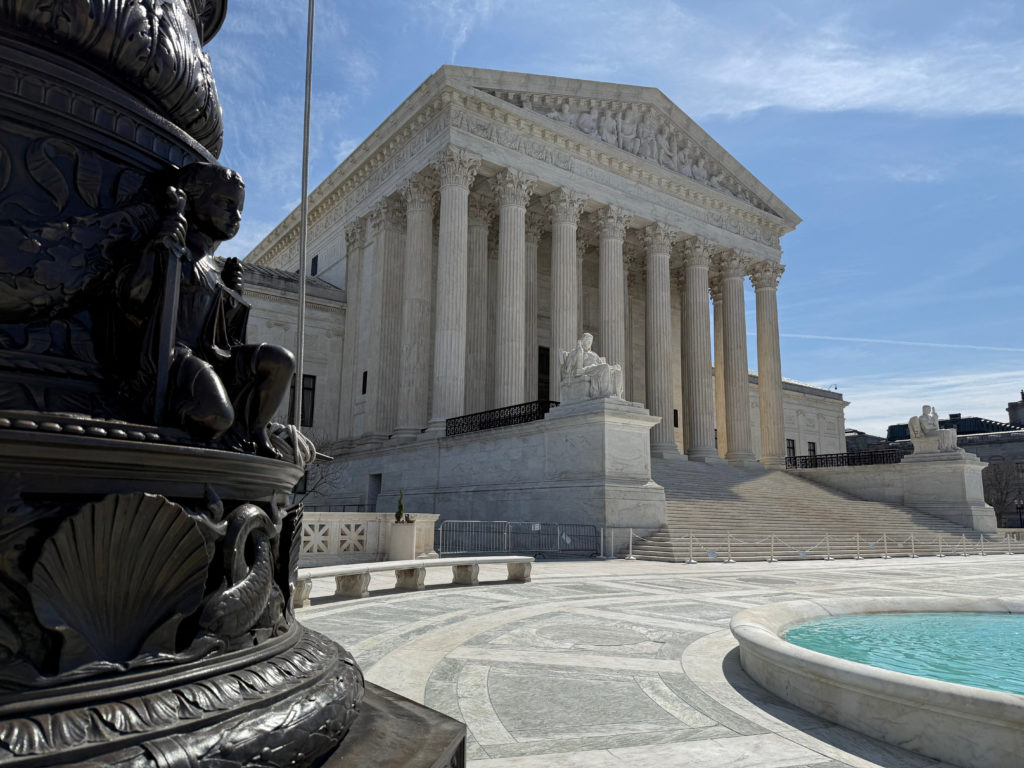
The Supreme Court is set to hear arguments on whether the federal government can terminate an established set of protections that shield refugees from war, disaster, and persecution. The case centralizes the Trump administration’s effort to redefine asylum rules, affecting entrants from countries including Haiti and Syria. As the court weighs legal standards and executive authority, observers expect a high-stakes ruling that could reshape U.S. immigration policy for years to come.
What Just Happened
The legal dispute centers on whether the executive branch has the power to end or significantly constrain federal protections that allow certain non-citizens to seek asylum in the United States. Proponents argue that tightening or ending these protections would restore federal control over immigration policy and security screening. Opponents warn that a broad rollback could force more people to endure dangerous journeys without access to timely asylum processing, potentially exposing vulnerable populations to greater risks.
Public & Party Reactions
Advocacy groups aligned with immigrant rights emphasize the humanitarian stakes and the need for predictable, humane asylum procedures. They warn that removing protections could lead to overcrowded processing systems at the border and reduce access to due process for asylum seekers. Conservative supporters of stricter immigration policy contend that limiting asylum protections is essential for national security, resource allocation, and border management. The political conversation surrounding the case is likely to intensify as midterm and presidential elections approach, with immigration policy shaping candidate platforms and congressional debate.
Policy Snapshot
At issue is the balance between executive authority and statutory protections designed to safeguard asylum seekers. The administration asserts that changes to protections are necessary to streamline processing, enforce border controls, and deter fraudulent asylum claims. Critics contend that abrupt policy shifts can cause legal uncertainty and undermine international commitments to protect those fleeing violence and disaster.
Who Is Affected
- Asylum seekers from conflict and disaster zones, including Haitians and Syrians, among others.
- U.S. border agencies tasked with implementing and adjudicating asylum claims.
- Nonprofit organizations and legal advocates providing representation and support to asylum applicants.
- States and localities balancing immigration flows with social services, housing, and labor markets.
Economic or Regulatory Impact
- Potential changes could alter migration patterns, affecting labor markets in regions receiving large numbers of asylum seekers.
- Decisions may influence the allocation of federal resources for immigration adjudication, detention, and humanitarian programs.
- A ruling could set precedent for how quickly the federal government can modify or terminate existing asylum protections, impacting regulatory planning for agencies and service providers.
Political Response
- Lawmakers and party leaders are likely to frame the decision as a referendum on immigration policy direction: tighter controls versus more open pathways for refuge.
- Interest groups on both sides will mobilize around the ruling, influencing public opinion and fundraising, and shaping campaign messaging ahead of elections.
- The court’s ruling will become a touchstone in debates over the scope of executive power, statutory interpretation, and the United States’ international obligations.
What Comes Next
- The Supreme Court’s decision will establish a controlling interpretation of asylum policy and executive authority.
- If the protections are upheld or narrowed, expect continued legislative proposals to codify or supersede court findings, possibly prompting new regulatory cycles or statutory reforms.
- A decision could prompt administrative clarifications from federal agencies on processing timelines, screening standards, and humanitarian protections for refugees.
Forward-Looking Analysis
This case sits at the intersection of national security concerns, humanitarian obligations, and the executive branch’s policy maneuvering. The outcome could recalibrate the balance between border enforcement and asylum processing, affecting the trajectory of U.S. immigration governance for the remainder of this decade. For policymakers, the ruling will offer a clear signal about how far the courts are willing to permit rapid, large-scale changes to asylum protections without new legislation. For the public, it will be a foundational moment shaping the lived reality of refugees and the communities that host them.