Overview
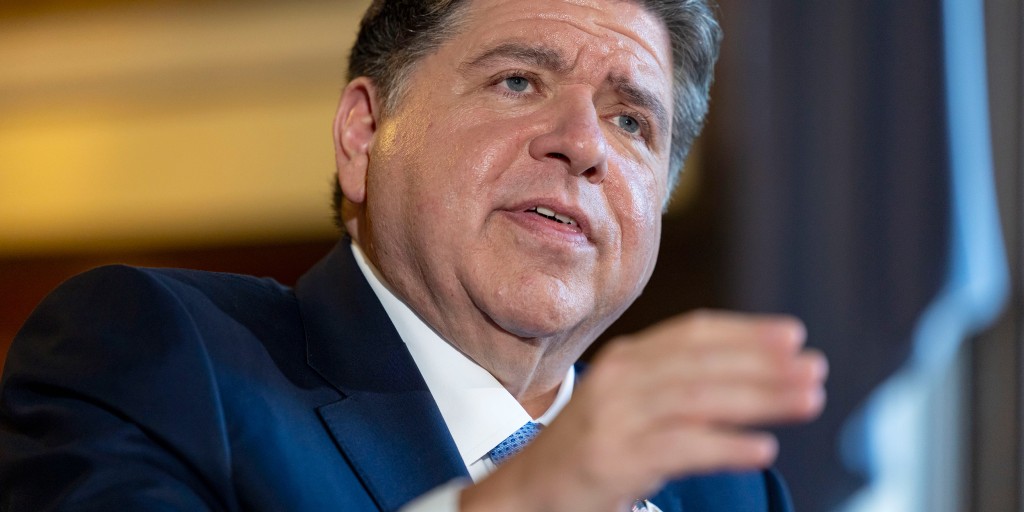
Illinois’ 2026 primary season is shaping up as a watershed moment for both state and national politics. In a state with a storied political machine, Gov. JB Pritzker seeks to broaden his influence by extending his control over the state’s political machinery. At the same time, a hard-fought U.S. Senate contest and a series of open-seat or high-profile House primaries promise to recalibrate party dynamics in the Midwest. Voters will weigh continuity against change, with implications for policy direction, federal-state power balance, and how national parties frame their 2026 and 2028 strategies.
What Just Happened
- Gubernatorial Focus: Governor JB Pritzker is pushing a bid to intensify his long-running influence over Illinois politics. The effort centers on consolidating party leadership, potential redistricting leverage, and policy continuity across the state’s executive, legislative, and administrative layers.
- Senate Spotlight: A competitive U.S. Senate race anchors the ballot, highlighting national-level funding, candidate recruitment, and ideological contrasts that could affect Senate arithmetic for the next two years.
- Open House Primaries: Illinois features multiple open primaries with energized intra-party battles. These races function as barometers for grassroots intensity, candidate positioning, and the durability of party coalitions in Chicago’s suburbs, downstate counties, and rural districts alike.
Public & Party Reactions
- Democratic Strength and Factionalism: The governorship and Senate races illuminate tensions within the Democratic coalition in Illinois—between established party leadership, reform-minded activists, and progressive challengers. How Pritzker’s strategy plays with or against progressive and moderate blocs could influence down-ballot turnout and campaign messaging.
- Republican Dynamics: Republicans are aiming to translate discontent with incumbents or policy stances into gains in both the House and potentially the gubernatorial level. The effectiveness of GOP field organization, messaging discipline, and candidate quality will be decisive for reducing Democrat advantages in suburban districts and rural areas alike.
- National Implications: Illinois often serves as a national signal for party organization and fundraising strength. The outcomes here could influence donor calculus, Senate battle plans, and how national committees allocate resources in swing districts across the Midwest.
Policy Implications and Context
- State Governance Trajectory: If Pritzker succeeds in extending what many observers call a dominant governing coalition, expect emphasis on fiscal planning, regulatory alignment, and administrative efficiency. Critics may push back on centralized decision-making and potential realignment of regulatory frameworks at the state level.
- Federal-State Interface: The Senate race’s competitiveness will influence the balance of power in Washington on issues like infrastructure funding, energy policy, and public safety—areas where Illinois’ weight in the Midwest matters for national agendas.
- Local vs National: The House primaries will determine how closely Illinois’ congressional delegation reflects or diverges from national party lines. Candidates may calibrate their stances on immigration, tax policy, labor issues, and technology regulation to appeal to both urban voters and rural constituents.
What Comes Next
- Electoral Timing: Primary day will reveal how turnout shifts across urban cores, suburbs, and rural counties. Early results could signal which coalitions held strong and which messages resonated, guiding late-breaking ad buys and ground campaigns.
- Post-Primary Momentum: The winners will quickly pivot to general-election dynamics, focusing on turnout drives, fundraising, and message discipline. Down-ballot races could either bolster or complicate the party’s broader statewide strategy.
- Legislative Landscape Change: Depending on the margin and party control, Illinois could see changes in committee leadership, budget priorities, and policy experimentation in areas like infrastructure, energy, education, and public safety.
What to Watch
- Voter Demographics: Pay attention to turnout gaps among suburban voters, working-class communities, and minority groups, as these blocs often drive statewide outcomes.
- Campaign Finance: Monitoring fundraising trends and outside spending will offer signals about which races are most competitive and which align with national party priorities.
- Down-Ballot Signals: Outcomes in open House primaries can forecast future coalition-building, candidate profiles, and potential shifts in congressional party alignment.
In Short
Illinois’ primary day is more than a routine exercise in ballot casting. It’s a critical test of Gov. Pritzker’s strategic ambitions, the resilience of the Democratic coalition, and the Republicans’ ability to convert discontent into legislative and governing gains. The mix of a high-stakes Senate race, a governor’s bid to expand control, and multiple open primaries makes Illinois a bellwether for midterm and pre-midterm political currents across the country. As results roll in, analysts will parse how these races recalibrate power, policy, and positioning for the 2026-2028 political horizon.