Overview
A California gubernatorial candidate has publicly criticized the mechanics of a televised debate, calling the format “chilling” and underscoring how presentation, timing, and question order can influence voters. The remark signals growing scrutiny of, and dissatisfaction with, how debates are structured as campaigns race to capture attention in a crowded 2026 race.
What Just Happened
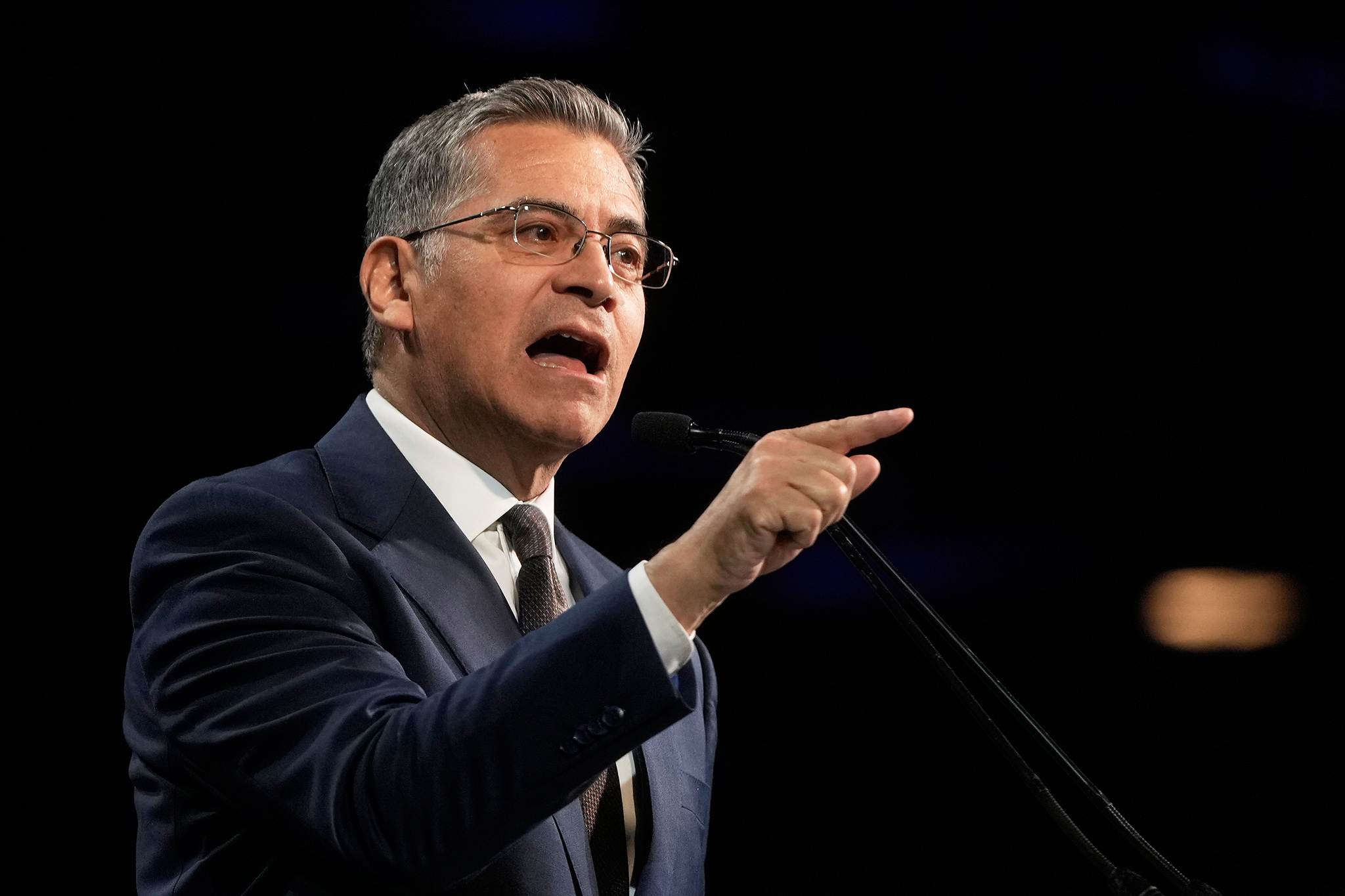
During a public appearance and subsequent interviews, the candidate accused the debate framework of hampering authentic policy discussion and favoring manufactured moments over substantive proposals. The critique comes as campaigns increasingly navigate tightened formats, limited speaking time, and rapid-fire questions that critics say reward rehearsed soundbites rather than nuanced explanation. The candidate’s comments align with a broader national debate about how debate formats affect accessibility, transparency, and accountability in state-level races.
Public & Party Reactions
Supporters of the candidate praised the stance as a necessary push for debate reform and greater citizen comprehension. Opponents framed the remarks within the broader political theater, arguing that standard formats provide a predictable and fair stage for comparing platforms. Analysts note that reactions across party lines reflect divergent views on how to balance informative discourse with the demands of media exposure. The episode could intensify calls for clearer rules regarding time allocation, audience questions, and moderator independence ahead of the election.
Policy Snapshot
Advocates for reform argue that debate formats should center policy clarity and accessibility. Proposals include:
- Extended speaking time for core proposals, with structured follow-ups.
- Pre-submitted questions to ensure topic coverage while preserving spontaneity.
- Independent, nonpartisan moderators with protection against external influence.
- Real-time fact-checking and post-debate summaries to aid voter understanding.
Who Is Affected
Voters planning to participate in or watch the debates stand to gain deeper, more transparent policy conversations. Campaigns are affected by the rules, scheduling, and perceived fairness of the format, which can influence audience reach, donor engagement, and overall momentum.
Economic or Regulatory Impact
While debates themselves don’t directly alter policy, the format can shape messaging that influences public perception of cost, benefits, and regulatory trade-offs tied to proposed policies. In tight gubernatorial contests, amplified clarity about fiscal implications and regulatory changes can affect fundraising, polling, and voter behavior.
Political Response
Party leadership and campaign organizations are evaluating the implications of the controversy. Some parties may push for standardized debate formats across forums to prevent strategic distortions, while others defend the flexibility and editorial control of moderators. A few analysts suggest this moment could catalyze long-term reforms in how gubernatorial debates are produced and broadcast.
What Comes Next
Expect renewed calls for debate reform in the California political ecosystem. Watch for:
- Proposals from lawmakers to codify debate standards or create a watchdog body for moderator conduct.
- Trial runs of alternative formats at local forums or civic events.
- Increased media scrutiny of debate coverage, including fact-checking and post-event analysis.
Conclusion
As California approaches a pivotal 2026 election, the tension between compelling campaign storytelling and informative policy discourse remains a central challenge. The candidate’s outspoken critique of the debate format magnifies a larger conversation about how voters can access clear, reliable information amid aggressive campaign dynamics. The outcome may influence subsequent debates, reform conversations, and the behavior of campaigns as they navigate an evolving media landscape.