Overview
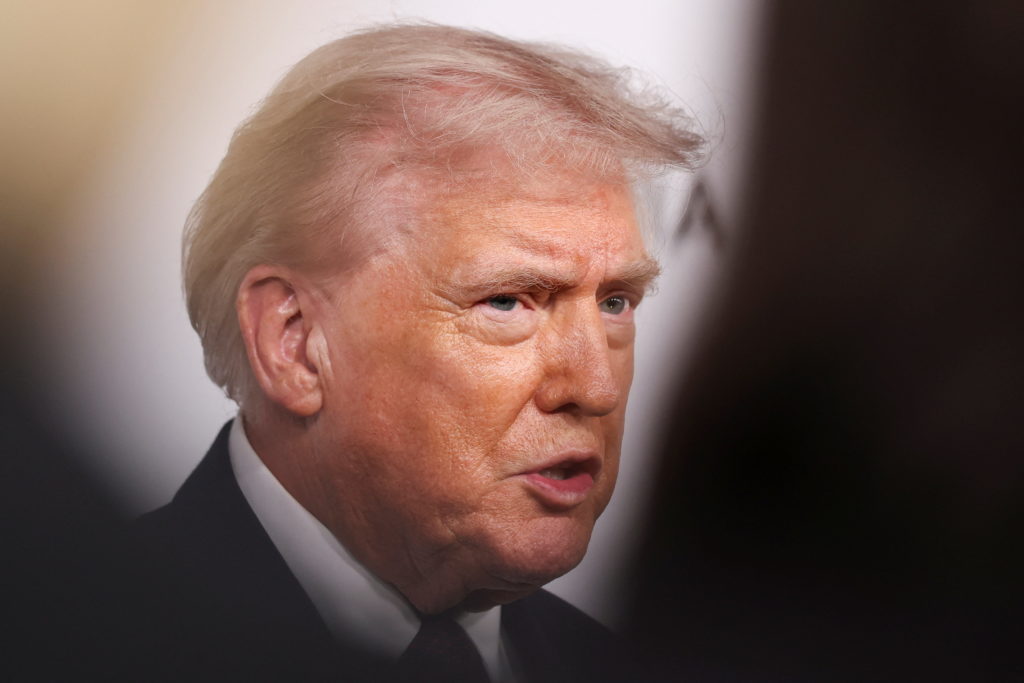
Ahead of a high-profile Kennedy Center luncheon, former President Donald Trump delivered remarks that watchers say illuminate the evolving strategy for his 2026 political effort. The event, steeped in optics and message discipline, underscored a campaign approach focused on mobilizing core supporters, redefining the GOP field dynamic, and navigating a landscape shaped by primary rules, fundraising pressure, and regulatory scrutiny. This moment matters not just for Trump’s immediate messaging but for the broader pattern shaping Republican contest dynamics as the election cycle accelerates.
What Just Happened
During the public remarks, Trump leaned into familiar themes—economic nostalgia, perceived governance failures under opponents, and a pledge to challenge the status quo. He framed policy priorities in a way that appeals to a broad base of GOP voters while signaling readiness to confront political and legal headwinds that have characterized his post-presidential trajectory. Observers note the cadence, tone, and seating arrangement at the luncheon are deliberate: a visual cue of legitimacy within the party establishment and a clear signal that Trump intends to remain at the center of national political discourse.
Public & Party Reactions
Within Republican circles, the speech was met with a mix of enthusiasm and cautious optimism about momentum. Supporters praised the emphasis on economic revival and law-and-order themes, while some party strategists highlighted the need to balance boldness with procedural pragmatism—particularly as candidate readiness, fundraising viability, and delegate dynamics come into sharper relief. Critics inside and outside the party seized on the remarks as a reminder of ongoing legal and political debates surrounding the former president, noting that public perception will hinge on real-time policy proposals, courtroom developments, and the ability to unify a fractious GOP field.
Policy and Strategy Implications
- Campaign posture: The remarks reinforce a strategy anchored in rallying the base with crisp grievance politics while signaling readiness to engage in a broader national dialogue about governance, economy, and national security. The tactical emphasis appears aimed at preserving momentum, maximizing volunteer networks, and sustaining fundraising traction.
- Messaging craft: By leveraging a high-visibility platform and a ceremonial setting, the Trump team reinforces a narrative of resilience and steadfast leadership, aiming to frame opponents as failures and to position Trump as the perennial force driving the party forward.
- Legal and regulatory context: Ongoing investigations and legal challenges surrounding the former president continue to loom over campaign messaging. How these legal dynamics intersect with voter perception and donor confidence remains a critical variable shaping strategy, resource allocation, and risk management.
- GOP dynamics: The event feeds into a larger conversation about how Trump’s presence influences candidate recruitment, debate strategy, and the consolidation (or fragmentation) of the Republican field as primary timelines approach.
What Comes Next
Analysts expect Trump to maintain a high-visibility cadence through spring and summer, using major public appearances, policy rollouts, and media engagements to set the terms of the 2026 debate. Expect a continued emphasis on economic performance metrics, crime and border policy, and critiques of federal policy—paired with a robust social media and earned media strategy designed to maximize reach with core voters while appealing to a wider electorate.
Long-Term Significance
Trump’s cadence at this luncheon illustrates a broader pattern in contemporary U.S. elections: a candidate leveraging symbolic platforms to sustain relevance, deploy a cohesive message, and influence the fundraising and organizational architecture of a high-stakes presidential cycle. The outcome of ongoing investigations and regulatory developments will modulate the feasibility and tempo of his 2026 bid, but the strategic emphasis on base consolidation, message discipline, and resilient branding is likely to persist as a defining feature of the race.
Note: This analysis focuses on campaign strategy and political signaling surrounding the event, with attention to how these signals translate into practical implications for voters, donors, and party dynamics in 2026.