Overview
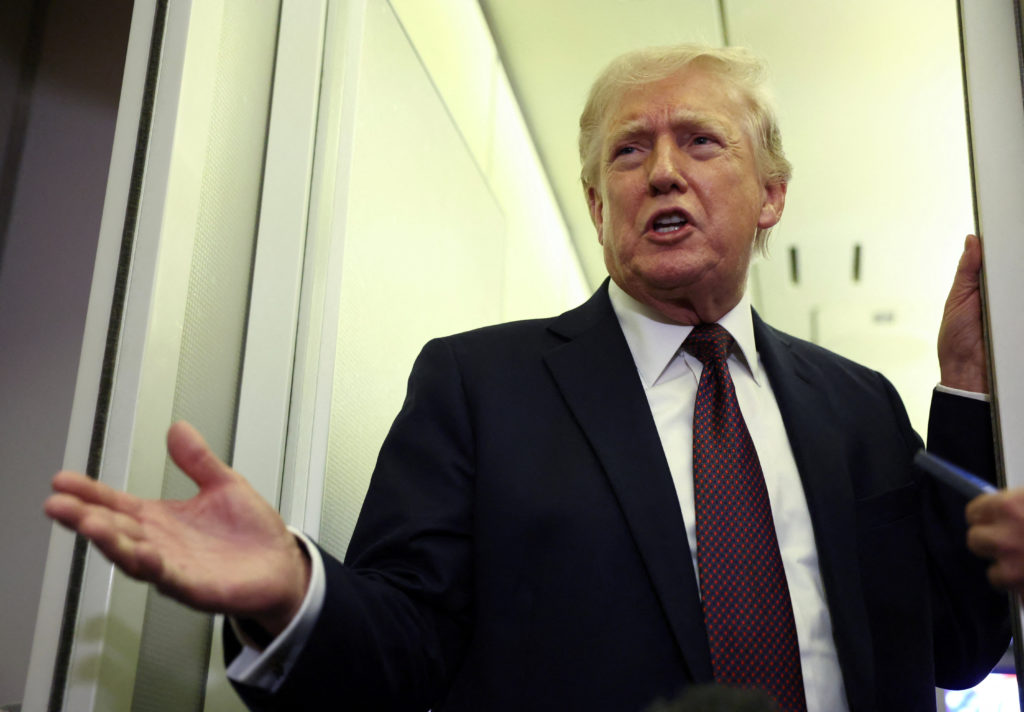
In a moment that blended persuasion, bravado, and geopolitical signaling, President Trump publicly warned Iran about potential military action against Kharg Island during a brief, three-minute call with PBS News’ Liz Landers. The exchange surfaced as the administration was framing its approach to Iran during a high-stakes briefing on what Trump described as a “very important meeting” on the Iran war. The remarks, while shouted in a single moment, carry broader implications for U.S. foreign policy messaging, congressional oversight, and the partisan dialogue around national security priorities.
What Just Happened
During a live or semi-live interview segment, the president asserted the willingness to “knock the hell out of” Kharg Island, a critical Persian Gulf outpost tied to Iran’s oil infrastructure and fleet operations. The phrasing and setting—an impromptu moment amid discussions of a potential broader conflict—highlight a leadership style that leans into blunt, deterrence-focused rhetoric. While the claim amplified the mood of decisive action, it also opened questions about the consistency of messaging, escalation thresholds, and the practical steps implied by such threats.
Public & Party Reactions
- Within Republican ranks, the response is likely to be framed around strength and deterrence, with supporters viewing the statements as a bold stance against perceived threats or provocations.
- Democrats may respond by stressing the need for careful, legally grounded approaches to escalation and a clear roadmap for diplomacy, risk management, and civilian protection.
- Defense and foreign policy experts are likely to dissect the feasibility of striking a target like Kharg Island, weighing deterrence benefits against risks of miscalculation, regional destabilization, and potential retaliation against American interests in the region.
- Media and opposition voices will scrutinize the timing, precision, and accountability of such statements, especially concerning how they align with formal policy channels and congressional oversight.
Strategic Stakes and Implications
- Deterrence vs. diplomacy: The rhetoric underscores a preference for show-of-force dynamics aimed at signaling resolve. Analysts will assess whether this complements or undermines ongoing diplomatic channels, including talks with allies and adversaries.
- Escalation control: Clear, public threats risk triggering inadvertent escalation if adversaries misread the intent or if back-channel communications fail to align with stated red lines.
- Domestic politics and national security credibility: In a polarized environment, such statements become fodder for campaign narrative and policy differentiation. They also test the administration’s ability to manage the balance between hawkish signaling and pragmatic restraint.
Impact on U.S. Interests and Global Dynamics
- Middle East stability: Public threats can influence the calculus of regional actors, including Israel, Gulf states, and Iran’s leadership, potentially affecting cyber, space, and naval postures in the Gulf.
- Alliances and burden-sharing: Allies watch U.S. posture closely. A posture that appears unpredictable could strain alliance coherence or, conversely, reassure partners seeking clear U.S. red lines.
- Energy markets and supply risk: Kharg Island’s strategic significance means heightened rhetoric may affect oil markets, even if actual strikes are avoided, as traders anticipate potential disruption.
Forward-Looking Risks
- Miscalculation risk: A misinterpreted signal or a rapid change in the situation could lead to unintended military engagement or broader conflict.
- Policy ambiguity: If this rhetoric outpaces formal policy statements, the administration risks undermining its own credibility and emboldening opponents who test reaction thresholds.
- Domestic political costs: The public’s tolerance for high-risk foreign policy postures often hinges on tangible outcomes; without visible progress or de-escalation, political support may waver.
What Comes Next
- Clarification and policy articulation: Expect follow-up statements or briefings that outline the administration’s concrete objectives, red lines, and escalation control measures.
- Diplomatic channels: There will likely be renewed emphasis on back-channel diplomacy, allied consultations, and perhaps limited confidence-building steps to reduce misperception.
- Legislative oversight: Congressional committees may seek more precise disclosures on Iran policy, including the expected risks, costs, and the authorization framework for any potential action.
Context and Takeaway
The episode illustrates the enduring tension in U.S. foreign policy between forceful deterrence signaling and the complexities of real-world escalation risk. As the administration navigates Iran-related tensions, officials and observers will watch not just for what is said in moments of candor, but for how those statements translate into sustained strategy, allied coordination, and measurable outcomes. The balance between credible deterrence and prudent restraint will shape both the United States’ security posture and the dynamics of Middle East geopolitics in the months ahead.