Overview
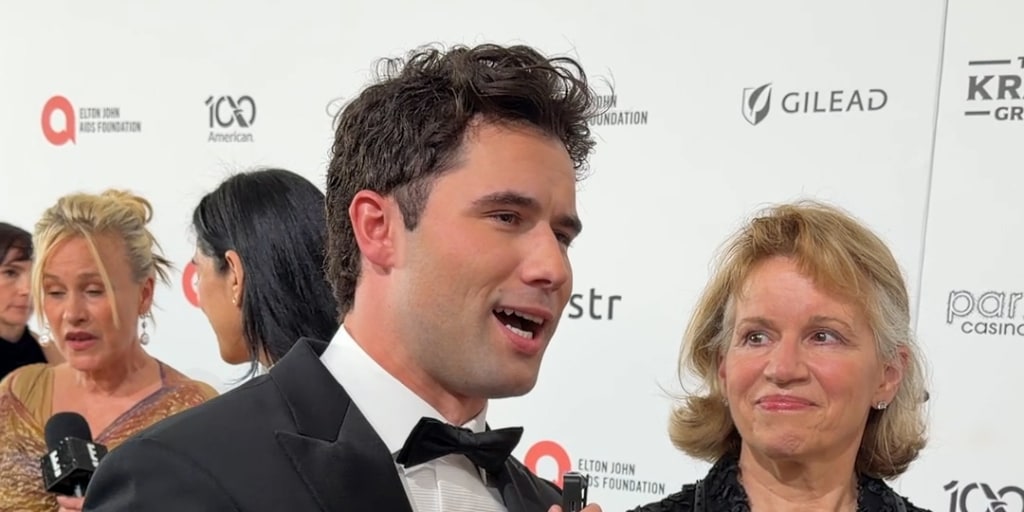
A contemporary TV drama that has drawn political chatter behind the scenes is facing questions about how it’s framed in public discourse. In a recent interaction at Elton John’s Oscar party, a lead actor from the series rejected the idea that the show is steering into partisan territory, claiming the project instead delves into universal aspects of human nature. The exchange underscores a broader debate in 2026 about how entertainment content is labeled, discussed, and regulated when political relevance is perceived or alleged.
Context and what happened
The actor’s remarks come at a time when several high-profile programs have been scrutinized for political content or perceived ideological bias. Critics, policymakers, and industry observers increasingly consider whether certain narratives serve as subtle political commentary or overt persuasion. The actor’s stance—emphasizing storytelling and character study over political messaging—highlights a recurring tension between artistic intent and audience interpretation. While the show may feature timely themes, proponents of the project argue that its core aim is to illuminate human behavior rather than advocate for a policy position.
Policy Snapshot
This moment sits at the intersection of media framing and potential policy impact. Regulators and industry groups have been weighing questions about transparency in content labeling, disclosures around political advocacy within entertainment, and the thresholds at which entertainment crosses into political persuasion. In 2026, there is growing emphasis on ensuring that audiences understand the intent of a program without being subjected to opaque messaging that could influence civic views or voting behavior. While concrete regulatory changes remain fragmented, the trend points toward greater scrutiny of how political content is categorized and discussed in the press and by streaming platforms.
Who is affected
- Viewers and families: Clarity on whether content is entertainment-only or carries political messaging can shape viewing choices and trust in media.
- Creators and producers: Stakes include reputational risk, potential shifts in marketing strategy, and considerations for content warnings or framing notes.
- Platforms and distributors: Streaming services may face pressure to label or contextualize programs, potentially affecting algorithms, recommendations, and audience segmentation.
- Policymakers and watchdog groups: The public discourse around “political” programming informs discussions about media regulation, disclosure requirements, and the balance between creative freedom and civic influence.
Economic or regulatory impact
The debate around political framing can influence audience engagement metrics, ad pacing, and subscriber behavior. If programs are perceived as politically loaded, platforms may adjust promotional prioritization or implement more explicit contextual labeling. Regulatory considerations around political advertising and messaging in mass media could indirectly shape how streaming content is produced, marketed, and described. While direct legislation targeting entertainment content remains complex, the market pressure around transparency and accountability is likely to intensify.
Political response
Inside industry circles, responses tend to emphasize artistic intent and the value of nuanced storytelling. Advocates for clearer labeling argue it helps audiences navigate complex narratives and align their media consumption with personal preferences for political neutrality or engagement. Critics of heavy-handed labeling warn against reducing art to policy optics and diminishing creative latitude. The public commentary around this case may influence broader industry norms and, by extension, regulatory conversations.
What comes next
- Expect continued dialogue about how entertainment products are framed, marketed, and contextualized in the era of rapid information flow.
- Possible moves include clearer on-screen disclosures, enhanced content warnings, or industry standards for describing a show’s thematic focus.
- The conversation could spill into considerations of how political topics are treated in streaming lineups, with potential implications for awards discourse and press coverage.
Why this matters for U.S. audiences in 2026
The debate around whether a show is “political” touches core questions about media literacy, civic engagement, and the role of entertainment in shaping public perception. For a U.S. audience, understanding the boundaries between storytelling and persuasive messaging is increasingly important as viewers navigate a crowded streaming landscape and a regulatory environment eager to balance creative freedom with accountability. As the industry evolves, the way programs are framed, discussed, and labeled may influence not only taste and trust but also the broader conversation about media’s role in democracy.