Overview
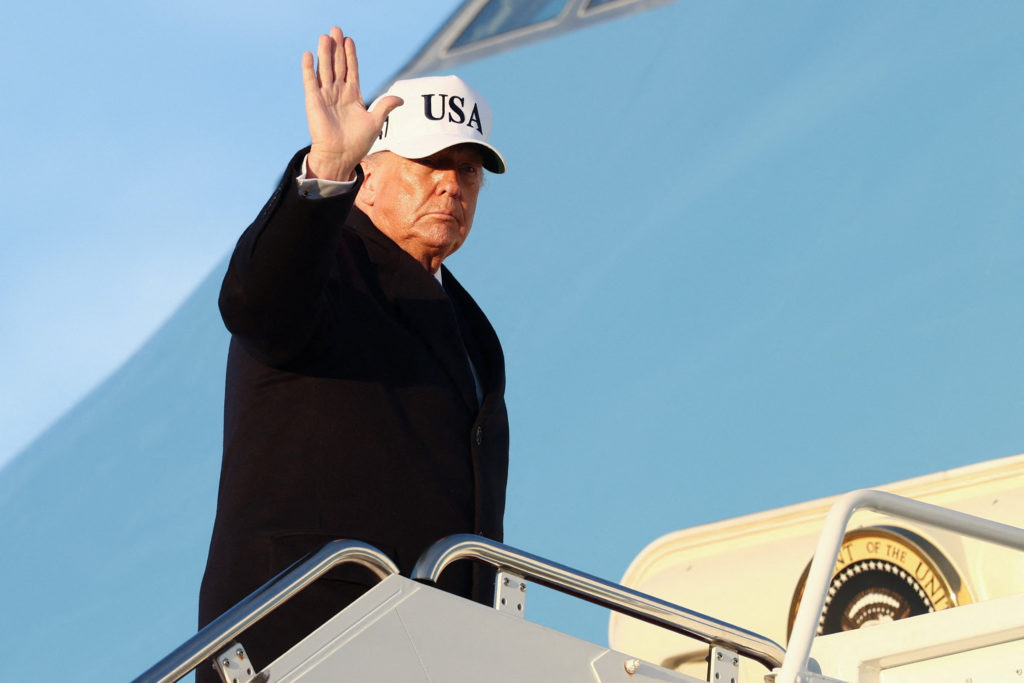
In the evolving 2026 political landscape, President Donald Trump’s hinted postponement of a trip to China has stirred discussion about how foreign-policy signaling interacts with U.S. energy security and geopolitical hotspots. The conversation comes amid a volatile moment in oil markets and heightened tensions in the Middle East, particularly around Iran and the strategic waterways that feed global commerce. A separate but related line of commentary from Treasury Department adviser Bessent downplayed rising oil prices and signaled that no immediate Treasury intervention is on the table. Taken together, the episodes illuminate a broader pattern: how administration messaging seeks to manage international leverage, domestic economic concerns, and the optics of decisive leadership.
What Just Happened
Reports indicate Trump suggested delaying or reconsidering a visit to China, potentially to calibrate pressure or leverage in relation to Iran-related developments or broader Middle East dynamics. The move was framed, in part, as a strategic signal rather than a direct policy shift. Concurrently, Bessent offered a counter-narrative: while energy prices are a concern, they are not an immediate lever for Treasury intervention, implying a hands-off approach to short-term price volatility rather than aggressive fiscal or regulatory action. The juxtaposition underscores a Washington where foreign-policy timing and domestic market stability are being navigated in tandem, with implications for credibility, alliance signaling, and the administration’s risk calculus.
Public & Party Reactions
Within political discourse, the proposed timing of a China trip is likely to draw mixed reactions from Trump’s base and critics. Proponents may view the move as a flexible, strategic use of travel as a diplomatic tool, signaling a readiness to recalibrate priorities in light of Iran-linked tensions. Critics may interpret the delay as a distraction or a sign of insufficient confidence to confront China on trade, tech, or intellectual property issues. On the energy front, Bessent’s stance on oil prices and Treasury non-intervention could be framed by opponents as a prudent acknowledgment of market dynamics, or by supporters as a reassurance to energy markets that Washington will not overreact with fiscal tools during a period of volatility.
Policy Snapshot: Energy Markets and Strategic Signaling
The central tension involves balancing geopolitical signaling with real-world market impacts. Oil prices can respond quickly to perceived risks in the Strait of Hormuz and related chokepoints. By downplaying the need for immediateTreasury intervention, administration voices are signaling that macroeconomic management will rely on broader market mechanisms and non-disruptive fiscal measures rather than ad hoc interventions. This stance aims to prevent destabilizing price swings that could ripple through households, commuters, and small businesses, while still allowing room for diplomatic maneuvering in response to Iran-related escalations.
Who Is Affected
- American households: Gasoline and energy costs directly influence household budgets, especially for commuters and families with limited discretionary income.
- Small businesses: Operating costs and supply chains can shift with volatile energy prices, affecting budgets and hiring plans.
- Financial markets: Perceptions of stability or intervention willingness can influence oil futures, equity risk premiums, and currency movements.
- International partners: Alliances and trade negotiations with China will factor in the perceived firmness of the U.S. approach to Iran and energy security.
Economic or Regulatory Impact
- Short-term: The Treasury’s non-intervention posture suggests a preference for market-driven price discovery, avoiding targeted subsidies or aggressive price controls that could distort incentives.
- Medium-term: If global tensions persist, energy markets may remain sensitive to geopolitical developments, with potential volatility that could indirectly influence inflation metrics and consumer confidence.
- Regulatory trajectory: The administration may focus on non-fiscal tools—diplomacy, sanctions alignment, and energy-security partnerships—to manage risks without broad new regulations immediately.
Political Response
- Supporters: View the approach as fiscally prudent, avoiding cherry-picked interventions that risk larger market distortions. Emphasize the importance of strategic diplomacy with China and a measured response to Middle East tensions.
- Critics: Argue that delaying a high-profile China engagement may cede strategic ground to rivals, risking economic and tech leadership. Question the effectiveness of a non-intervention stance on energy prices in volatile markets.
What Comes Next
- Diplomatic cadence: Watch for updates on schedules, including any reformulated China engagement strategy linked to Iran-related events or broader trade discussions.
- Energy policy posture: Expect continued emphasis on market-based approaches, with potential emphasis on energy resilience, diversification, and strategic reserves as a hedge—not as a tool for price manipulation.
- Market monitoring: Oil markets will remain a barometer for geopolitical risk. Investors will closely track statements from Treasury and energy departments for signals on policy direction.
Forward-Looking Risks
- Escalation in Middle East tensions could test the limits of non-intervention messaging and heighten price volatility.
- A delayed China trip could impact perceptions of U.S. readiness to address tech competition and trade issues, potentially affecting alliance cohesion.
- Domestic political dynamics will shape how aggressive or restrained policymakers appear in managing energy and economic stability.
Conclusion
As U.S. policymakers tread a careful line between signaling strength in foreign policy and safeguarding domestic economic stability, the interplay of a potential China trip delay, Iran-related tensions, and Treasury’s stance on oil prices reveals a deliberate strategic calculus. The administration appears to favor measured diplomacy and market-informed approaches to energy risk, aiming to preserve credibility, deter escalation, and maintain stability for households and businesses amid global volatility. In 2026, leadership decisions at this intersection will shape not only geopolitics but the practical realities of energy security and economic resilience for Americans.