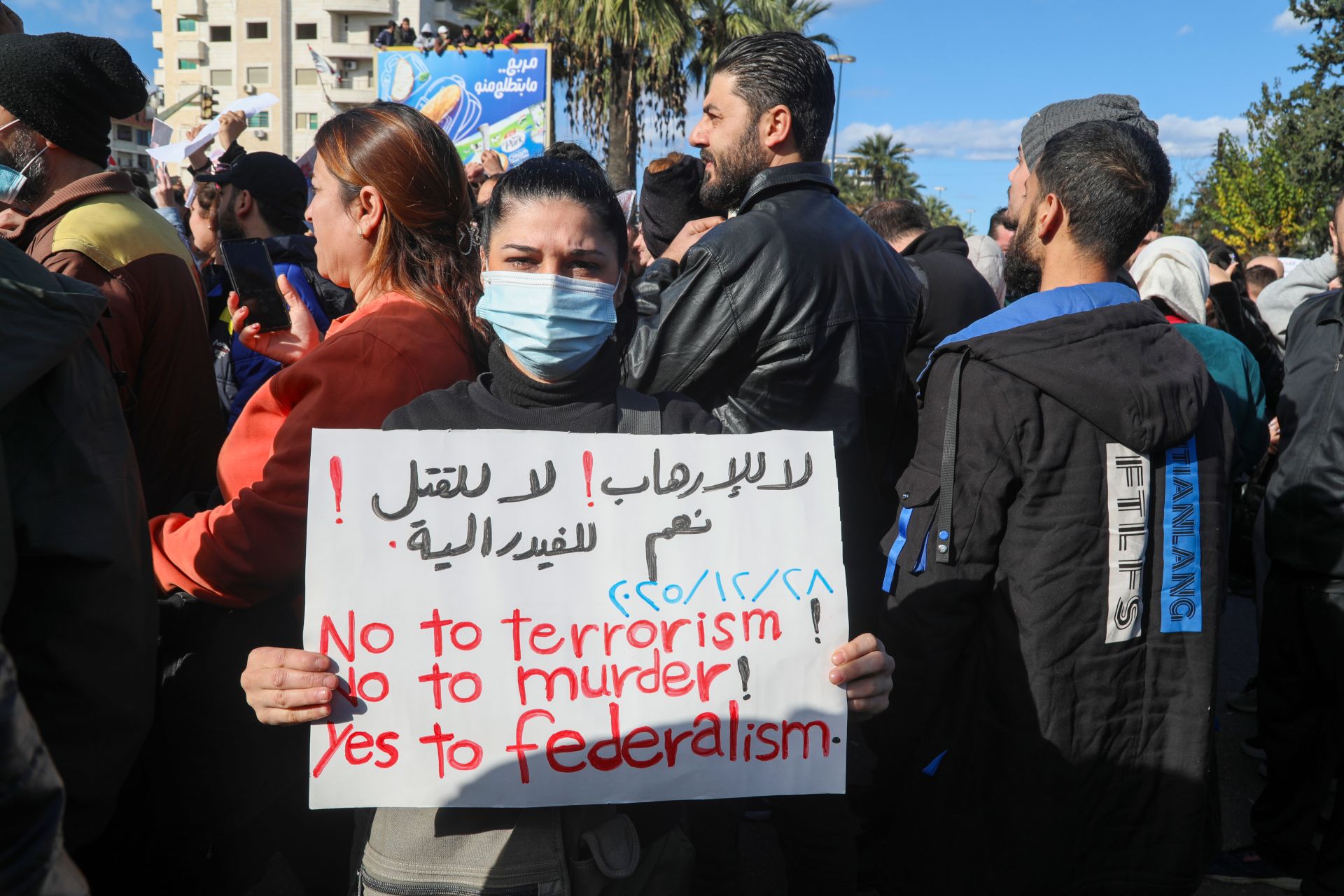
Overview
From an assumed pillar of unity under the Assad regime, Alawite political life is entering a phase of recalibration. After decades of direct integration with the state’s security and political machine, many Alawites find themselves negotiating their place in a fragmented Syria. The evolution from a state-fused community to one actively constructing a politics of survival reveals broader shifts in governance, alliances, and risk management across the region.
Situation Brief
Historically, Alawites maintained influence through a tightly controlled nexus of security, military posts, and political appointments tied to the Ba’athist leadership. The fall or weakening of centralized authority—whether through succession questions within the Assad family or regional upheavals—has exposed vulnerabilities and prompted a search for pragmatic, alternative political arrangements. The community’s leadership is now engaging in cautious, multi-track diplomacy: preserving security ties with the regime while exploring trans-sectarian coalitions, economic diversification, and diaspora channels to sustain influence.
Strategic Stakes
The Alawite trajectory matters beyond sectarian lines. Syria’s stability hinges on coherent governance that can contain grievances, prevent spillover violence, and avoid external manipulation. For the Alawite community, the stakes include:
- Maintaining security access and political voice amid a broader, changing power balance.
- Managing intra-community tensions that may arise from perceived exclusion or unequal sharing of resources.
- Navigating regional rivalries in which external powers may seek to gain leverage through sectarian considerations.
Impact on Regional Geopolitics
Geopolitical dynamics surrounding Syria are in flux. Iran’s influence and Russian security commitments intersect with Turkish, Israeli, and Gulf interests, complicating any single-group strategy. The Alawite leadership’s political calculations increasingly factor in:
- Balancing loyalty to the regime with tactical concessions to other actors to secure protection and economic opportunities.
- Leveraging diaspora networks to preserve legitimacy and attract investment.
- Pushing for governance reforms that preserve minority protections while advancing pragmatic governance to reduce vulnerability to external meddling.
Who Is Affected
The ripple effects touch multiple stakeholders:
- Alawite communities in Syria, who seek stability, economic opportunity, and a credible political voice beyond weapons-grade power brokers.
- The broader Syrian population, potentially affected by a shift in the regime’s internal bargaining power, alterations in security risk, and changes in local governance.
- Regional actors, who may recalibrate alliances based on evolving guarantees of minority protection, border security, and commercial interests.
- the United States and international partners, weighing how Syria’s internal realignments influence counterterrorism priorities, humanitarian access, and broader regional stability.
Political Response
Across the region, leaders are signaling pragmatism over purity of allegiance. In Syria, the dialogue around governance now includes:
- Working-level conversations about power-sharing, minority protections, and local governance reforms.
- Efforts by independent or semi-autonomous actors to create spaces for dialogue that can prevent escalation and preserve humanitarian access.
- A push to safeguard economic lifelines—energy, transit routes, agriculture—without becoming hostage to opaque patronage networks.
Economic or Regulatory Impact
The shift in Alawite political calculations has tangible economic implications:
- Stability or instability in Syria’s governing circles can directly affect foreign investment, reconstruction funding, and major infrastructure projects.
- The diaspora’s role as an economic and political bridge may grow, influencing remittances, investment flows, and philanthropic activity.
- Sanctions regimes and international aid policies will continue to shape the feasibility of governance initiatives and local development programs.
What Comes Next
Several plausible trajectories are emerging:
- A gradual, negotiated political settlement that preserves minority protections while introducing limited reforms to governance structures.
- A continued, nuanced balance where the regime maintains formal control while delegating certain responsibilities to localized governance bodies, reducing the risk of wholesale regime collapse.
- External powers recalibrating support in ways that reward stability and predictable governance, potentially at the cost of deeper political liberalization.
Forward-Looking Risks
Key uncertainties to watch:
- The possibility of inter-sectarian flare-ups if economic or security promises fail to materialize.
- External coercion or incentivization aimed at shaping Alawite leadership choices to serve broader strategic goals.
- The risk that elite bargains fail to translate into improved living standards, fueling discontent and potential unrest.
Conclusion
The Alawite politics of survival marks a critical inflection point in Syria’s post-conflict governance landscape. As the community navigates new forms of leadership and alliance-building, the broader objective remains clear: stabilize governance, protect minority protections, and steer Syria toward a more inclusive and resilient political order. For U.S. policymakers and regional partners, the evolving dynamic requires nuanced engagement that prioritizes stability, humanitarian access, and predictable governance while avoiding escalation of sectarian tensions.