Overview
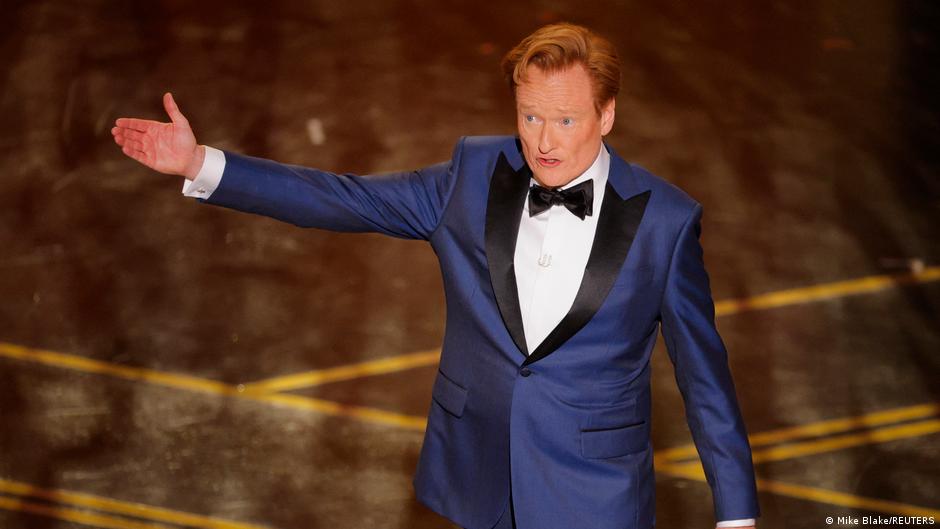
The 2026 Academy Awards unfolded against a backdrop of intensified political debate in the United States, with a slate of diverse presenters and winners using their platform to spotlight human rights concerns tied to decades of policy choices. While the ceremony is a cultural milestone, the moments on stage reverberate through policy circles, affecting how Americans view international engagement, sanctions, and domestic governance. This piece analyzes what happened, who spoke up, and what it could mean for policy direction in the near term.
What Just Happened
During the ceremony, a number of speakers and winners reframed the night as a civic moment. They explicitly criticized past and ongoing U.S. military engagements, including conflicts abroad, and called attention to the impact of sanctions and restrictions on human rights. The rhetoric reflected a broader trend: entertainment events becoming venues for moral inquiry and accountability. Observers note that such moments do not necessarily convert into immediate policy changes, but they signal a shifting cultural baseline—where advocacy and foreign policy are increasingly intertwined in mainstream discourse.
Public & Political Reactions
Reaction to the Oscar stage remarks has been swift and varied. Some policymakers and pundits interpret the emphasis on human rights as a pushback against a more transactional approach to foreign policy, stressing that values must guide strategic decisions. Others caution against using entertainment platforms for policy messaging, arguing that legislative and regulatory processes should be the arena for action. In domestic circles, opinion columns and think-tank analyses are dissecting whether these cultural moments influence public support for sanctions regimes, humanitarian aid, and human rights-linked diplomacy.
Policy Implications and Context
- Human rights as a policy lens: The Oscar moment reinforces a trend toward foregrounding human rights in both foreign and domestic policy conversations. This can influence lawmakers to scrutinize current sanctions frameworks, arms sales oversight, and human rights conditions tied to international aid.
- Cultural diplomacy as a strategic tool: The intersection of entertainment and policy underscores the potential for film and media to complement official diplomacy. Cultural narratives can shape global perceptions of U.S. values, potentially easing or complicating negotiations on sensitive issues.
- Domestic regulatory considerations: The spotlight on human rights intersects with how the U.S. frames regulatory priorities—ensuring that corporate and government practices align with stated humanitarian goals, including transparency in sanctions enforcement and human rights reporting.
What Comes Next
For policymakers, the Oscar moment may serve as a barometer of public sentiment and a reminder of the power of protected speech in public forums. Expect renewed attention to:
- Reassessing sanctions and human rights conditions in key theaters of operation.
- Strengthening reporting and accountability around U.S. foreign aid tied to human rights benchmarks.
- Encouraging collaborations with cultural institutions to advance transparent, values-based diplomacy.
Longer-term outlook: The fusion of entertainment and policy signals a maturation in public discourse where human rights considerations are no longer peripheral but integral to strategic decision-making. If this trend continues, expect more explicit linkage between cultural advocacy and legislative action, with bipartisan interest in maintaining U.S. credibility on human rights while pursuing national interests.
Notes for readers: This article frames the Oscars as a barometer of broader political dynamics rather than a direct policy prescription. It highlights potential policy currents without predicting specific outcomes, emphasizing the evolving role of cultural voices in shaping governance debates.