Situation Brief
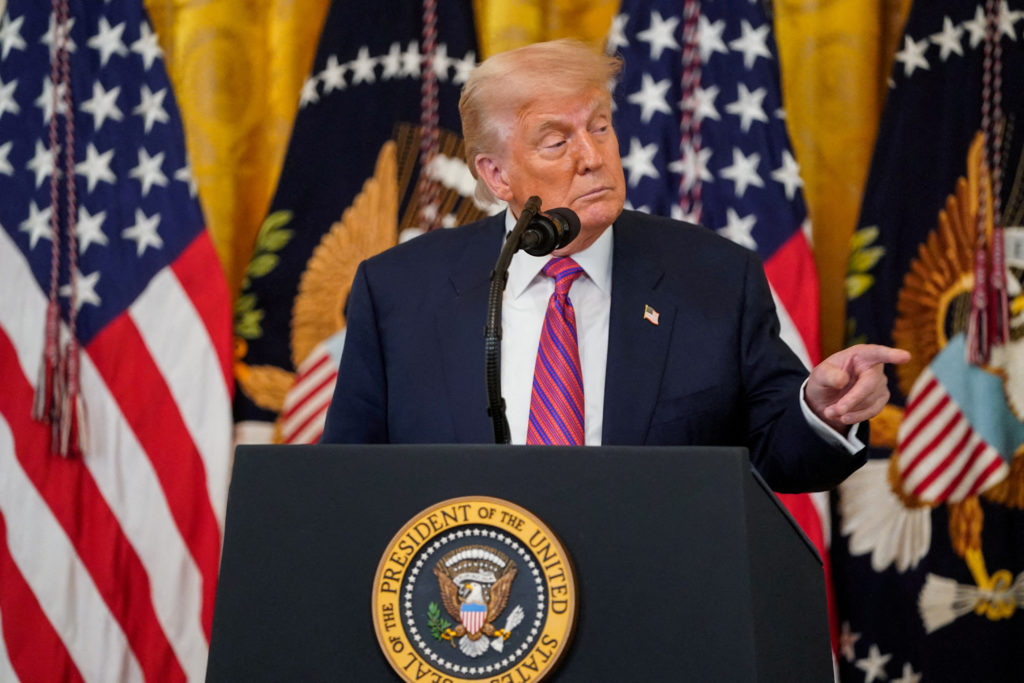
Two weeks into the widening Iran confrontation, President Donald Trump appears unsettled by the evolving narrative around the war and its potential conclusions. Publicly, Trump has highlighted aggressive measures and rallied base support, but observers note a conspicuous gap between actions taken and the clear articulation of an endgame or strategic objectives. The disconnect has become a focal point for critics who argue that a durable political settlement—war or peace—needs a coherent narrative to sustain legitimacy and public confidence.
Strategic Stakes
The core challenge is not merely the military exchanges themselves, but how the administration frames the conflict for the American public and global observers. In high-stakes national security politics, credibility hinges on a believable exit strategy, measurable goals, and defined success metrics. Without a concrete endgame, political opponents can frame the administration as reactive or vague, which compounds concerns about mission creep, civilian impact, and the sustainability of U.S. commitments abroad.
Impact on Messaging and Public Perception
Trump’s media posture has grown more agitated as coverage intensifies, a pattern that can energize supporters but may alienate undecided voters concerned with clarity and accountability. The absence of a detailed war-ending plan could erode trust in leadership at a moment when voters expect steadiness on major foreign policy questions. The dynamic also places Republican messaging teams under pressure to reconcile hawkish rhetoric with practical policy proposals and electoral risk assessments.
Geopolitical Context and Alliances
While the administration emphasizes decisive action, allies and adversaries are parsing both the military tempo and the signaling about diplomacy. Strong, consistent messaging on proxies, sanctions, or coalition-building could influence Tehran’s calculations and potential concessions. Conversely, mixed signals or inconsistent messaging risk ischemic alliances and misinterpretations about U.S. willingness to pursue a long-term strategic shift in the region.
What It Means for U.S. Interests
National security consistency matters as the conflict tests American credibility, regional balance, and energy security concerns. Beyond battlefield outcomes, the White House faces questions about:
- Clarity of objectives: What does success look like, and on what timeline?
- Diplomatic avenues: Are there parallel channels for de-escalation or negotiated settlement?
- Domestic cost: How will continuing engagement affect economic priorities, budget tradeoffs, and public support?
- Legal and humanitarian considerations: How are civilian protections, civilian infrastructure, and international law being integrated into strategy?
Forward-Looking Risks
- Exit strategy ambiguity: Prolonged engagement without a clear plan could lead to mission fatigue and political vulnerability.
- Domestic politicization: As election dynamics accelerate, foreign policy could become a litmus test for leadership style and competence.
- Regional spillover: Escalation risks in neighboring states or non-state actors, complicating containment and reassurance efforts for allies.
- Economic backdrops: The broader domestic economy and sanctions policy may constrain options or amplify public scrutiny of costs.
Policy and Communication Implications
This moment invites a recalibration of how foreign policy messaging aligns with strategy. For policymakers, the focus should be on delivering:
- A transparent roadmap: Clear objectives, milestones, and a defined endgame that can be communicated to the public and Congress.
- Alliance coordination: Strengthened messaging with partners to demonstrate united strategic intent and reduce regional misperceptions.
- Risk mitigation: A plan that addresses civilian impact, supply chain resilience, and economic consequences for American households.
- Contingency options: Publicly presented alternatives should deterrence, diplomacy, or kinetic actions need recalibration.
What Comes Next
As the Iran episode unfolds, several questions will shape political and strategic trajectories:
- Will the administration unveil a detailed exit or resolution framework to complement ongoing actions?
- How will congressional dynamics influence oversight, funding, and authorization for further operations?
- Can the White House build a credible, bipartisan narrative around national security priorities that resonates with a broad electorate?
In sum, the current phase of the Iran conflict tests not only military readiness but also political clarity. The administration’s ability to articulate a coherent endgame, secure durable support from allies, and shield domestic policy from the costs of prolonged engagement will significantly influence 2026 political dynamics and the public’s confidence in leadership on national security.