Overview
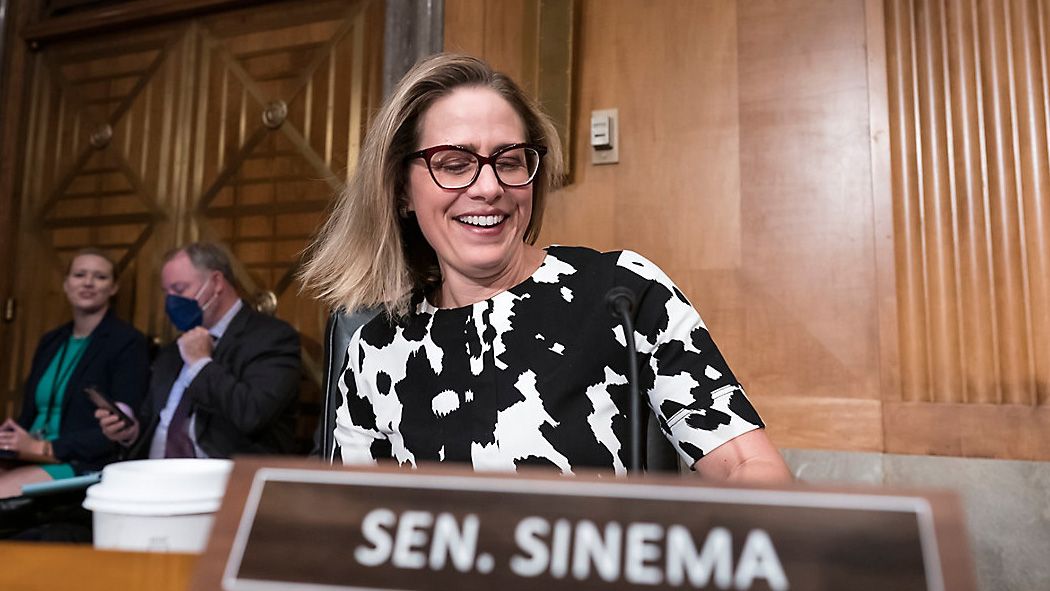
A candid acknowledgment from a former U.S. senator from Arizona places renewed focus on how the personal lives of security personnel attached to prominent politicians can ripple into public reputation and political calculations. While the assertion centers on a private matter, the incident underscores ongoing questions about trust, boundaries, and accountability surrounding those who protect public figures—and how such dynamics influence campaigns, policy messaging, and observer skepticism in a crowded 2026 political landscape.
What Just Happened
The former senator publicly stated she bears no responsibility for the marriage breakdown of a security team member. The episode, though intimate and unrelated to official duties, has the potential to become a talking point about proximity, influence, and judgment. In an era where every personal connection can be amplified by social media and partisan punditry, advisers and operatives are acutely aware that private life comments can emerge in campaign narratives, shaping voters’ perceptions of character and leadership.
Public & Party Reactions
Response patterns to such disclosures typically vary by party alignment and the surrounding political climate. Some allies may emphasize professionalism and privacy, arguing that security personnel are independent actors whose personal life should not tarnish a public officeholder’s record. Critics, however, may seize on the issue to question vetting practices, the management of staff, and the broader question of how close personal interactions between officials and their protection details could influence decision-making or judgment.
Implications for 2026 Campaigns
- Image management becomes a strategic discipline: Campaigns increasingly weigh how to address intimate staff-related topics without diverting focus from policy agendas.
- Vetting and governance conversations intensify: The episode can re-ignite debates about staff screening, safeguarding, and the boundaries between professional duties and personal relationships in political campaigns.
- Media narrative and counter-narratives: Political reporters and analysts may frame the story as a test of the candidate’s leadership style, accountability, and the strength of their inner circle, potentially influencing endorsements, fundraising, and voter trust.
Who is Affected
- Security personnel and staff: The case highlights the distance between professional boundaries and personal ties, with potential implications for privacy expectations and workplace norms.
- The candidate’s political standing: Public perception of judgment, discretion, and relationship management can affect electability, especially in races where character and integrity are central to voters’ decision-making.
- Voters and local constituencies: Citizens evaluating 2026 candidates may view personal-life disclosures as signals of transparency and responsibility or as distractions from substantive policy debates around jobs, inflation, and healthcare.
Policy Snapshot
The incident does not involve policy changes or regulatory reforms directly. Yet, it intersects with ongoing discussions about governance standards, staff ethics, and the public’s right to know about the internal dynamics that could, in theory, influence decision-making at the highest levels of public service. In a broader sense, it reinforces the expectation that elected leaders maintain clear boundaries between personal life and official duties to preserve trust.
Economic or Regulatory Impact
There is no immediate policy or economic impact from this development. However, reputational dynamics can indirectly affect fundraising, donor confidence, and the political capital available to pursue or defend policy proposals. Campaigns frequently recalibrate messaging to minimize vulnerability to personal-life topics while prioritizing policy deliverables that resonate with voters.
Political Response
Parties typically respond with a mix of messages:
- Defenders emphasize independence of staff and the separation of personal matters from official conduct.
- Opponents may leverage the narrative to press for greater transparency, tougher vetting, or changes in personnel management within campaigns.
Overall, the response aims to redirect attention to substantive policy platforms while managing reputational risk.
What Comes Next
- Media scrutiny is likely to continue, with analysts comparing this incident to similar episodes in other campaigns to extract lessons about discipline, staffing, and public accountability.
- Campaigns may revise crisis communications playbooks to more clearly delineate personal boundaries and staff conduct expectations.
- Voters will weigh the personal dimension against policy proposals, deciding how much weight to assign to character judgments in ongoing debates about governance and leadership.
Forward-Looking Analysis
As 2026 political dynamics intensify, the interplay between private lives of security personnel and public perception will remain a nuanced factor in campaigns. The key for candidates is to demonstrate responsible stewardship—ensuring boundaries are respected, staff professionalism is upheld, and the focus stays on delivering concrete policy outcomes that address real-world concerns facing Arizona and the nation. This episode serves as a reminder that leadership is as much about process, judgment, and governance culture as it is about policy platforms.