Overview
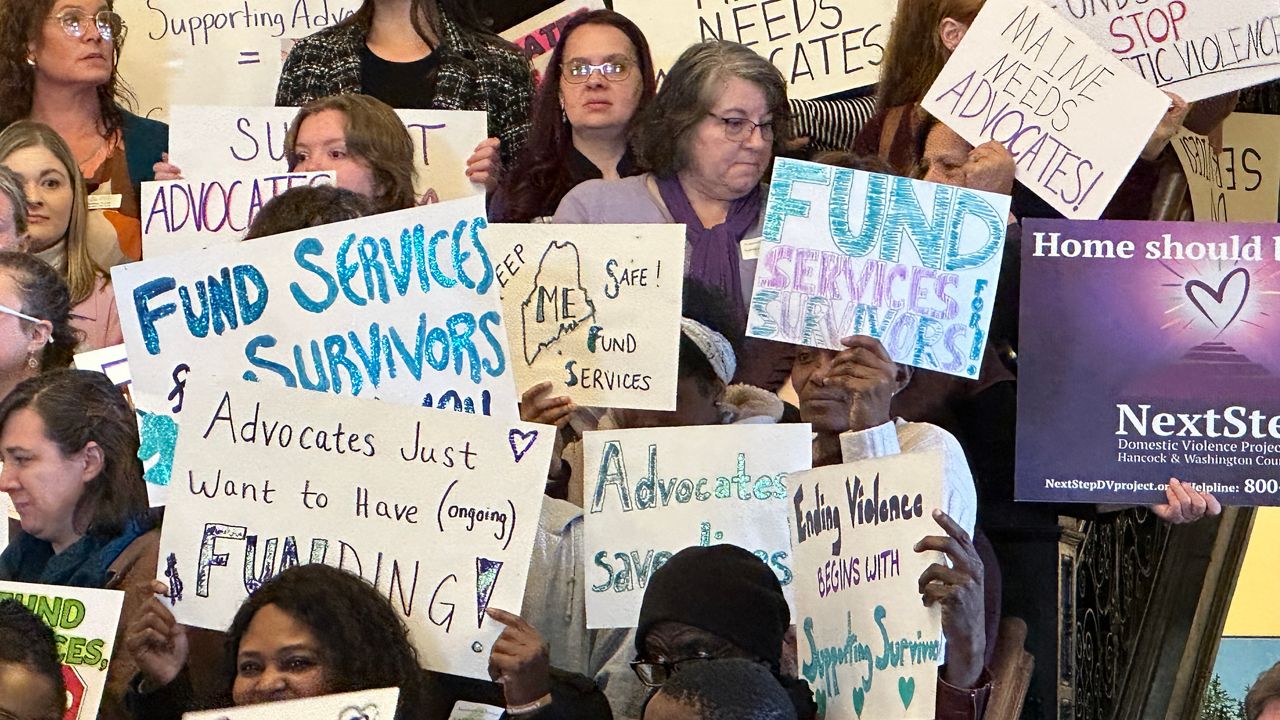
A recent policy push centers on permanently stabilizing funding for victims’ services through the Victims of Crime Act (VOCA). Proponents argue that locking in these funds will fill a persistent federal shortfall and ensure continuous support for domestic violence and sexual assault services, civil legal representation for victims, and programs aiding elder abuse survivors. The move reflects a broader effort to shield critical assistance from annual budget timing and political compression, aiming for a predictable funding stream that communities can rely on.
What is at stake
VOCA has long served as a cornerstone of federal support for crime victims’ services across the country. Supporters, led by policymakers like Mills, emphasize that without a permanent funding mechanism, valuable programs risk disruption just as demand for their services remains high. The proposed permanence would reduce funding volatility and help service providers plan longer-term, multi-year strategies to expand access, improve outcomes, and coordinate with state and local systems.
Who is affected
The beneficiaries are diverse:
- Domestic violence and sexual assault services, including crisis hotlines, shelter operations, and advocacy programs.
- Civil legal representation for victims navigating protective orders, custody and divorce cases, and other court processes.
- Elder abuse services, which support seniors facing mistreatment, exploitation, or neglect.
Communities with high rates of violence or vulnerability could see more stable staffing, improved access to legal resources, and more consistent program funding across fiscal cycles.
Economic or regulatory impact
Instituting permanent VOCA funding would alter how federal dollars flow to state and local agencies. Rather than rely on annual appropriations or discretionary grants, funds would have dedicated, protected status, allowing agencies to budget with greater accuracy. This could reduce administrative overhead tied to grant renewal processes and potentially increase efficiency in service delivery. Additionally, a stable funding backbone could enable expansions of evidence-based practices, including prevention and early intervention programs that reduce long-term costs associated with victimization.
Political response
Support for permanent VOCA funding tends to receive backing from victim advocacy groups, law enforcement partners, and some lawmakers who frame the proposal as a humanitarian and public safety necessity. Critics may scrutinize the source of funds, potential long-term fiscal implications, and how effectively the money is directed to frontline services. The political calculus will hinge on broader budget negotiations, the perceived efficacy of VOCA programs, and whether the proposal can win bipartisan consensus on federal responsibility for crime victims’ services.
What comes next
Key questions include:
- What funding level and duration would be established for permanence?
- How will the administration and Congress address potential gaps in ancillary programs or administrative costs?
- What performance metrics will be used to ensure VOCA funds translate into measurable benefits for victims?
Lawmakers, advocacy groups, and state administrators will likely engage in hearings and targeted negotiations to translate the concept into concrete legislation, including outlines for oversight, accountability, and interagency coordination.
Context and implications for 2026
In an era marked by ongoing concerns about domestic violence, elder abuse, and sexual assault, a stable VOCA funding framework could become a benchmark policy for victim-centered governance. If enacted, it signals a sustained federal commitment to victims’ rights and access to justice, potentially influencing related debates on criminal justice reform, civil legal aid, and social services funding. The approach also raises questions about prioritization amid competing federal needs, but the potential for lasting impact on survivors’ safety and empowerment remains a central argument for permanence.