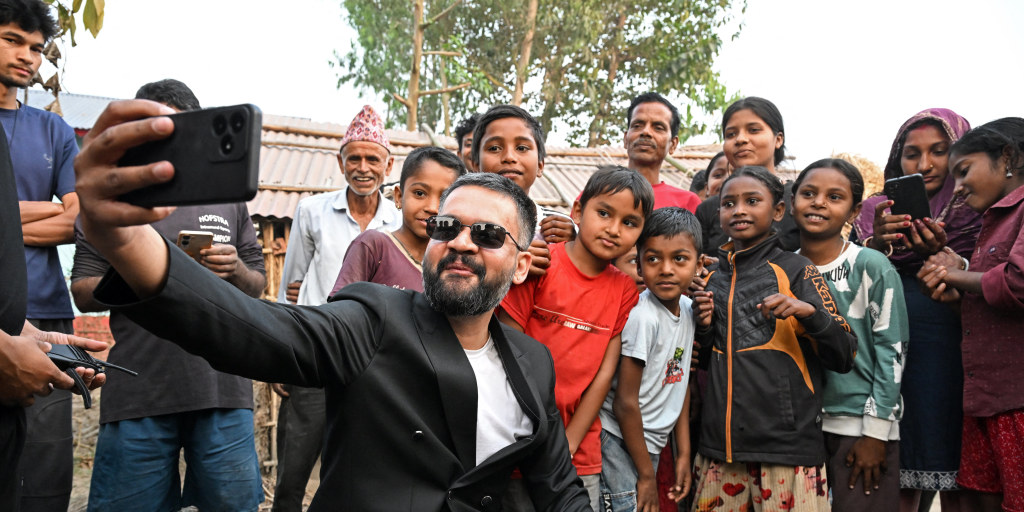
Nepal’s political landscape is undergoing a dramatic recalibration after a youth-led movement last year swept through the nation’s streets and parliament. In a landmark vote—the country’s first since the broad-based revolt—the Rastriya Swatantra Party (RSP), led by rapper-turned-politician Balendra Shah, emerged as the decisive winner. The party’s ascent marks a potential shift in governance priorities, public expectations, and the way political power is brokered in Kathmandu and beyond. This analysis unpacks what the victory means for Nepal’s direction, regional dynamics, and the policy debates to watch in the coming months.
Overview: a watershed moment for Nepal’s governance
The RSP’s victory symbolizes more than a simple change in party control. It reflects a broader public demand for accountability, transparency, and new leadership that resonates with younger voters and urban constituencies. The post-revolt moment created space for challengers to the traditional party system, and the RSP seized that momentum by positioning itself as a reform-minded alternative. The result is a governance story rooted in momentum, youth engagement, and a narrative of renewal.
What the win signals for policy and reform
- Governance reform as a top priority: Expect the RSP to foreground anti-corruption measures, administrative transparency, and efficiency reforms. The party’s platform leans into practical governance solutions rather than ideological grandstanding, aiming to demonstrate tangible improvements in public service delivery.
- Youth and urban policy emphasis: With a candidate who embodies a modern, media-savvy persona, expect policies that address education access, digital literacy, entrepreneurship, and job creation in sectors built around the knowledge economy and creative industries.
- Budget and fiscal discipline: A shift toward prudent fiscal management could accompany reform efforts, prioritizing essential services while seeking modern revenue-generation mechanisms that broaden tax compliance and reduce leakage.
Impact on regional stability and relationships
Nepal sits at a pivotal geostrategic crossroads between South Asia’s major powers. A credible reform-oriented government could bolster domestic legitimacy and capacity, contributing to regional stability and stronger governance standards. The RSP victory may influence Nepal’s stance on energy development, transit connectivity, and cross-border cooperation, as new leadership seeks to balance growth ambitions with social equity and environmental safeguards.
Who is affected: governance, citizens, and markets
- Citizens: An emphasis on governance reform holds the promise of improved government responsiveness, reduced bureaucratic hurdles, and better public service outcomes. This is especially relevant to young people seeking clear pathways to employment and civic participation.
- Public sector workers: Reforms may target efficiency, performance metrics, and digital modernization, potentially reshaping workflows and accountability frameworks across ministries.
- Investors and markets: A stable, reform-minded government can reduce policy volatility and improve the business climate by clarifying regulations, streamlining permitting processes, and enforcing rule-of-law standards.
What comes next: maneuvering in a new era
- Legislative negotiations: The RSP will need to translate campaign promises into law, navigating coalition dynamics and parliamentary processes. Expect a period of negotiation with other parties on reform packages, budget allocations, and governance measures.
- Administrative modernization: Priorities are likely to include digitization of public services, anti-corruption safeguards, and performance-based budgeting. These steps will require capacity-building, data transparency, and credible oversight mechanisms.
- Public engagement and accountability: A hallmark of post-revolt politics is ongoing citizen involvement. The RSP may institutionalize participatory budgeting or citizen oversight structures to sustain legitimacy and public trust.
Risks and challenges to monitor
- Internal cohesion and governance capacity: Maintaining a united policy front within the RSP and delivering cohesive reforms will be essential. Fragmentation could undermine reform momentum and public confidence.
- External pressures: Regional dynamics and political opposition could test the administration’s ability to keep reform on track. Managing neighborly relations while pursuing domestic priorities will require careful diplomacy.
- Economic volatility: As reforms unfold, external shocks or budgetary pressures could complicate implementation. Maintaining social safety nets while pursuing efficiency will be a delicate balance.
Takeaway: a pivotal moment with both promise and obligation
Nepal’s post-revolt election results reflect a public appetite for practical governance improvements and a break from traditional political patterns. The Rastriya Swatantra Party’s victory under Balendra Shah positions Nepal at a crossroads: advance governance reforms that deliver measurable improvements, or risk erosion of public trust if reforms stall or stall. For observers outside Nepal, the development offers a compelling case study in how youth-led political movements translate into policy reform and governance transformation in a developing democracy. The coming months will reveal how the RSP translates campaign energy into durable governance outcomes that shape Nepal’s trajectory and its role in South Asia’s evolving political economy.