Overview
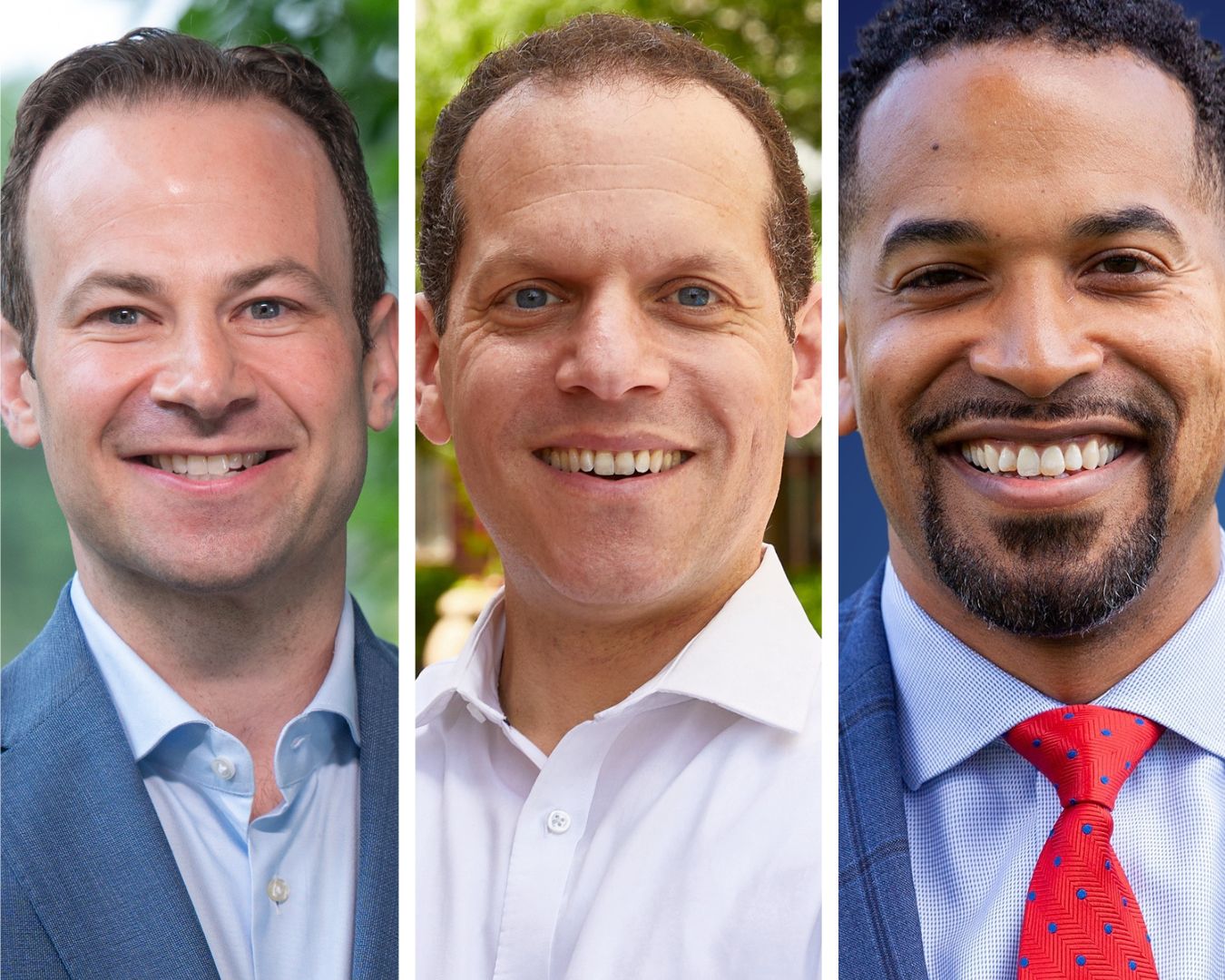
A high-stakes Democratic forum in Montgomery County brought together top contenders for the County Executive seat, marking a pivotal moment for local governance as candidates outline visions for housing, transportation, public safety, and education. Hosted at the Silver Spring Civic Building, the event showcased a range of policy proposals and strategic contrasts that will shape the trajectory of Maryland’s most populous county in the 2026 election cycle.
What Just Happened
In front of a live audience and a broader audience online, Democratic candidates presented policy platforms intended to address chronic affordability, growth management, and efficient service delivery. The forum highlighted differences in approach to tax policy, investment in infrastructure, and how to balance rapid development with community preservation. While the specifics varied, a common thread across candidates was a commitment to equity, data-driven decision-making, and expanding access to well-paying, local opportunities.
Public & Party Reactions
Local observers noted the event as a barometer for the Democratic base’s priorities: robust housing supply, transparent budgeting, climate resilience, and improved public transit options. Party insiders are watching for contrasts in leadership style—coalition-building versus top-down execution—and how each candidate plans to mobilize voters in a diverse, high-turnout county. endorsements, fundraising momentum, and prior record in county governance will be weighed as the campaign enters the critical late stages before early voting begins.
Policy Snapshot
- Housing and affordability: Candidates articulated paths to increase housing supply while protecting community character, emphasizing inclusionary zoning, incentives for affordable units, and streamlined permitting processes to reduce timeline friction.
- Transportation and congestion: Proposals centered on expanding ride-share options, improving bus rapid transit, and accelerating road/electric vehicle infrastructure, with a focus on reducing commute times for residents across age groups.
- Public safety and community wellness: The forum underscored preventive approaches, mental health resources, and community-policing strategies that aim to bolster trust and safety without inflaming tensions.
- Education and youth opportunity: Priorities included stronger county-school partnerships, expanded after-school programs, and workforce development aligned with local employers’ needs.
- Fiscal stewardship: Candidates pledged prudent budgeting, greater transparency, and prioritizing investments with measurable outcomes, while exploring innovative financing tools to fund long-range capital projects.
What Comes Next
With the forum behind them, candidates will refine their messaging as debates proliferate across neighborhoods and online platforms. The likely focus will be on translating broad policy promises into actionable plans with clear milestones, funding strategies, and accountability measures. Voter engagement efforts are expected to intensify, especially among renters, young families, and seniors, to ensure that proposed reforms translate into tangible daytime changes in county services.
Impact on Local Governance
The event underscores a broader trend toward data-informed governance in Montgomery County, where residents demand concrete results from big-ticket investments and day-to-day service quality. As the county continues to grapple with growth pressures and fiscal constraints, the elected executive’s ability to build cross-party coalitions on council will be decisive. The forum thus serves not only as a campaign spotlight but also as a preview of how the next administration may navigate the county’s most pressing governance challenges.
Key Takeaways for 2026 Voters
- The next County Executive is expected to champion targeted housing supply paired with smart growth controls to balance development and neighborhood character.
- Transportation investment will be framed as a multi-modal strategy aimed at reducing congestion and improving resilience to climate impacts.
- A holistic approach to public safety—integrating mental health and community services—will be central to building trust and effectiveness.
- Fiscal transparency and outcome-based budgeting will be critical measures for accountability.
- Voter turnout and coalition-building efforts will likely hinge on addressing affordability, jobs, and long-term value creation for residents.
For readers tracking US Domestic Policy and Local Regulation, this Montgomery County race signals how suburban counties are recalibrating governance to meet evolving demographic and economic realities, with implications for policy templates that other counties may adopt in the near term.