Overview
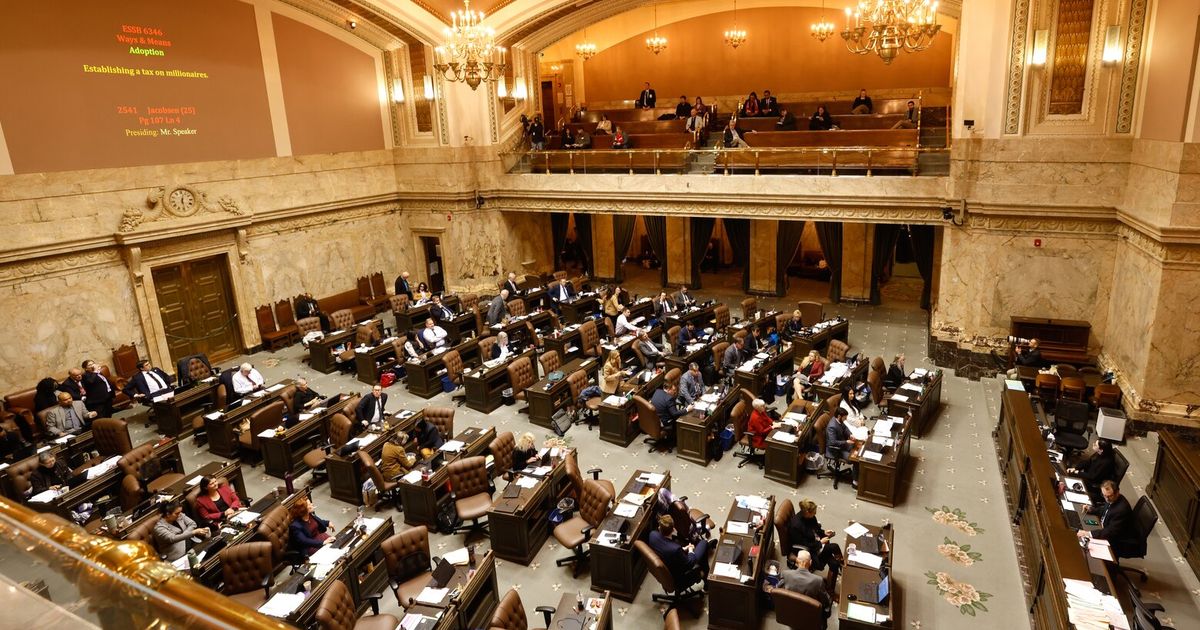
A landmark vote in the Washington House of Representatives culminated in the passage of a contentious state income tax after a brisk 24-hour debate. Democrats celebrated the milestone as a fiscally prudent move designed to shore up public services and close budget gaps, while opponents warned of broader tax burdens and potential impacts on growth. Gov. Bob Ferguson has indicated he will sign the measure, setting the stage for an immediate policy shift that could redefine Washington’s tax landscape in the near term.
What Just Happened
The vote marks a pivotal moment in Washington’s fiscal policy debate. After weeks of behind-the-scenes negotiations and mounting pressure to address structural budget shortfalls, lawmakers approved a tax plan aimed at generating new revenue streams for essential programs. The 24-hour floor battle highlighted party alignment, with the majority arguing the policy aligns with long-term investments in health care, education, and transportation, while critics argued it risks dampening economic vitality and disproportionately affecting middle- and lower-income residents.
Who Is Affected
Residents across the state could see the tax implemented in different ways depending on income, deductions, and credits embedded in the final bill. Small businesses and certain job sectors may feel the downstream effects through changes in overall tax compliance costs and potential pass-through impacts. In urban areas with higher living costs, the tax could influence consumer behavior and disposable income, while rural communities may experience varying levels of fiscal support depending on how revenue is allocated and distributed.
Economic or Regulatory Impact
New revenue from the income tax is poised to reshape Washington’s fiscal trajectory. Proponents argue the policy provides a more stable funding base for critical services, potentially reducing reliance on volatile revenue streams and debt-financed spending. Critics warn about potential adverse effects on investment, relocation decisions, and cross-border commerce with neighboring states. The regulatory framework accompanying the tax—credits, exemptions, and administrative rules—will determine the practical burden on households and businesses and the speed with which funds can be appropriated to priority programs.
Political Response
The political atmosphere surrounding the vote underscores a clear partisan divide over tax policy and state budget priorities. Democrats frame the measure as a necessary investment in public goods, while Republicans emphasize economic freedom and competitive tax environments. Gov. Ferguson’s pledge to sign places executive support behind the policy, signaling a unified stance from the lawmaking and executive branches in this policy arena. The outcome is also likely to influence upcoming electoral discourse, particularly around taxation, spending discipline, and governance philosophy.
What Comes Next
Key questions now center on implementation details: what income thresholds trigger the tax, which exemptions apply, and how credits will operate for families and small businesses. Administrative readiness from the Department of Revenue, along with guidelines for businesses and filers, will shape the early experience of taxpayers. The distribution of tax revenues will also come under scrutiny as lawmakers outline funding allocations for schools, health care, transportation, and public safety. In the months ahead, additional legislative actions could refine the policy through fixes, adjustments, or targeted relief measures.
Context and Strategic Considerations
This development reflects a broader national conversation about how states fund essential services in a climate of fiscal constraint and political polarization. Washington’s approach signals a willingness among state leaders to pursue progressive revenue solutions as a complement to existing tax structures. The political calculus includes balancing immediate budget needs with long-term economic competitiveness, a challenge that will continue to influence legislative strategies and campaign messaging in the run-up to future elections.
Short-Term Outlook
Expect heightened public scrutiny of tax compliance and administration as the policy rolls out. Stakeholders, including business groups, non-profits, educators, and healthcare providers, will monitor revenue performance and program adequacy closely. If revenues meet projections and program outcomes improve, the measure could gain broader public acceptance; if not, legislative pressure for adjustments and reforms could intensify.
Final Note
As the state moves from passage to practical implementation, the dialogue around tax policy, budget priorities, and governance remains central to Washington’s political and economic story in 2026. The coming months will reveal how this policy translates into services for residents and competitiveness for the state in a dynamic regional economy.