Overview
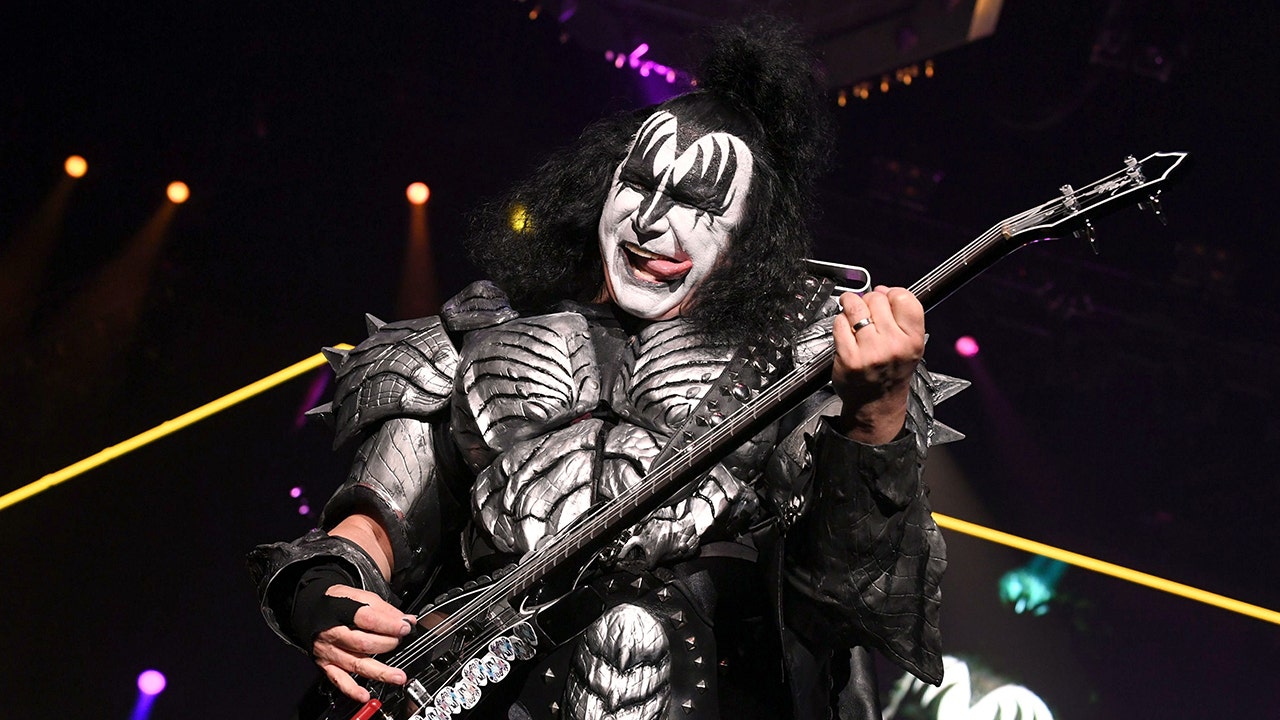
A high-profile moment in the intersection of entertainment and politics underscores a broader debate: what role do celebrities play in political dialogue, and how should their voices shape public opinion? In a recent exchange reported by outlets covering entertainment coverage and politics, Gene Simmons of KISS suggested that celebrities like Mark Ruffalo and Ben Stiller should “shut the f— up” about politics, asserting that “nobody cares” what they think. While couched as a blunt personal stance, the remarks crystallize enduring questions about influence, audience expectations, and the regulatory or cultural boundaries around political commentary from non-traditional actors.
What Just Happened
- The moment reflects a longstanding pattern where entertainers comment on policy and elections, often triggering a split in public reaction. Supporters argue celebrities bring attention and alternative perspectives to important issues. Critics contend that high-profile voices publicize views in ways that may skew discourse or rely on celebrity status rather than policy substance.
- The exchange also spotlights media ecosystems that monetize tension between entertainment and politics. Headlines, sound bites, and social media amplification can convert a provocative quote into lasting public chatter, sometimes eclipsing the underlying policy debates.
Public & Audience Reactions
- Reactions in political commentary circles range from defense of free expression to critiques about responsibility and audience targeting. Some observers see value in diverse voices steering attention to issues, while others emphasize the need for accountability and factual grounding.
- The incident also prompts questions about audience segmentation: do entertainment audiences engage with policy at the same rate as traditional political media? How do platforms shape the visibility of political viewpoints from non-political figures?
- For influencers and celebrities, there is a reputational calculus: bold statements can mobilize or alienate fans, impact brand partnerships, and influence public trust in political information.
Policy and Cultural Implications
- This episode adds to a broader discussion about the echo chamber effects in political communication. When celebrities pivot to policy commentary, platforms may privilege sensational takes, potentially at the expense of nuanced policy analysis.
- The tension between free expression and perceived responsibility becomes more visible in an era of rapid dissemination and algorithmic amplification. Regulators and policymakers are watching how information quality, moderation, and platform governance interact with celebrity political messaging.
- For political operatives and campaigns, celebrity engagement remains a double-edged sword. A single provocative statement can rally or polarize, perhaps shifting attention away from policy details to personality-driven narratives.
What Comes Next
- Expect continued scrutiny of celebrity voices in political discourse, with debates about authenticity, influence, and accountability. Platforms are likely to refine policies around political content, while media outlets weigh the value of celebrity perspectives against the risk of sensationalism.
- As 2026 political landscapes evolve, analysts will monitor whether high-profile entertainers increasingly align with specific issue areas or political coalitions, and how that alignment translates into measurable impacts on voter attitudes, turnout, or policy discussions.
- For citizens, the takeaway is to engage critically with diverse sources, recognizing the distinction between entertainment commentary and substantive policy analysis. Public discourse benefits from grounded evaluation of proposals, budgets, and governance plans—beyond the buzz of provocative quotes.
Tone and Structure
- The article adopts a practical, impact-driven lens, emphasizing how celebrity commentary intersects with policy discourse and regulation.
- The narrative balances cultural observation with an eye toward governance implications, highlighting potential effects on public opinion, media ecosystems, and political engagement.
- The piece is written for a U.S.-based audience in 2026, with clear sections: overview, what happened, audience reactions, policy implications, and forward-looking considerations.