Overview
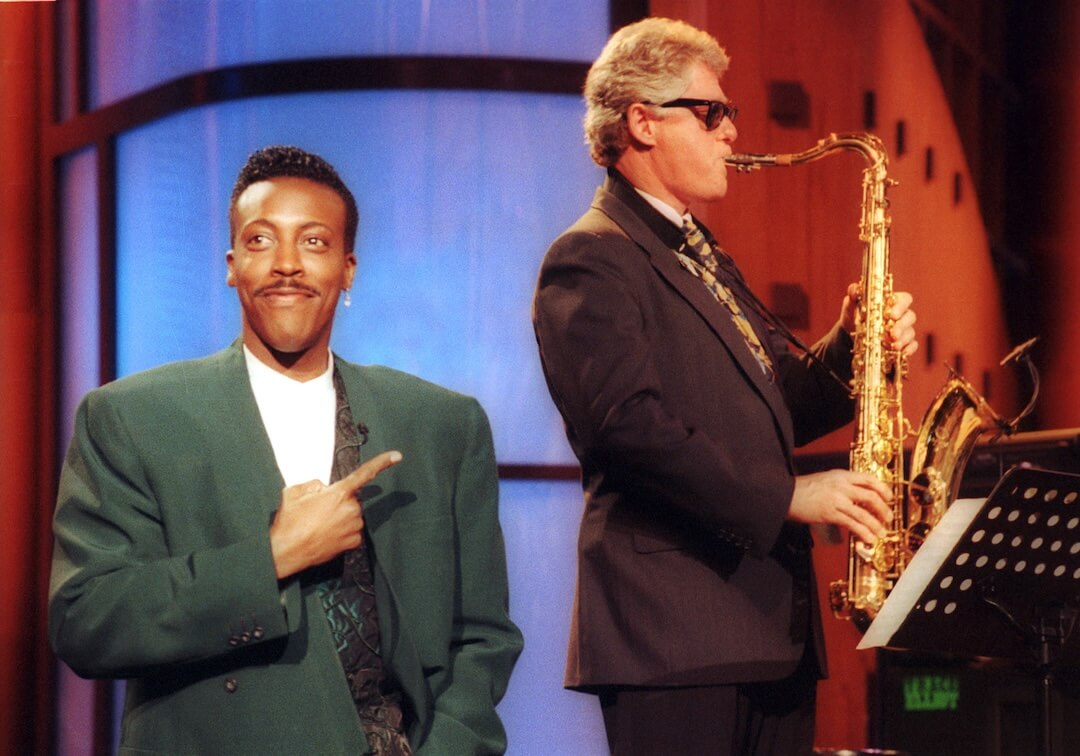
The 1992 appearance of Bill Clinton playing the saxophone on The Arsenio Hall Show remains one of the most cited intersections of pop culture and politics in modern American history. Nearly three decades later, political analysts in 2026 revisit that moment to understand how a candid, if carefully choreographed, cultural gesture can influence public perception, messaging boundaries, and the execution of a broader political strategy. The moment is often cited not for policy detail but for its enduring implications on campaign branding, media relations, and the evolving relationship between entertainment and electoral politics.
What Just Happened
In a late-night setting once considered off-limits for serious political messaging, Clinton used a lighthearted, musicianly display to project approachability, relatability, and a break from the traditional, stern politician persona. The choice to engage with music—an art form that transcends demographic divides—was a deliberate strategy to widen appeal and normalize a different kind of public image. Analysts note that the moment created a durable, media-friendly narrative that complemented policy-focused messaging, making Clinton seem both confident and human in a realm often dominated by scripted soundbites.
Public & Party Reactions
The pop-culture moment sparked wide-ranging reactions that pulsed through media coverage, party strategists, and voter conversations. Some framed the sax moment as a savvy, modernizing gesture that broadened Clinton’s appeal beyond traditional bases. Others cautioned that reliance on entertainment-based signals could overshadow substantive policy discussions or risk alienating voters who prioritize issue depth. In subsequent political discourse, researchers and communicators often cite the Clinton-Arsenio instance as an early, influential case study in how presidential candidacies blend cultural cachet with substantive governance promises.
Policy Signals and Strategy Implications
- Brand-building via cultural literacy: The moment underscored the importance of political figures speaking to audiences across media ecosystems, not just traditional campaign channels.
- Timing and risk management: The sax performance taught campaigns to weigh the benefits of likability against the potential for focus shifting away from concrete policy proposals.
- Longevity of a non-policy asset: Pop-culture moments can become durable reference points in how a leader is remembered, influencing long-term perception even as policy debates intensify.
Long-Term Relevance for 2026 Campaigns
While the specifics of the sax moment are decades old, the underlying principle remains highly relevant: political branding now unfolds across a dense media ecosystem where entertainment, social media amplification, and traditional news coverage intersect. Modern campaigns carefully calibrate performances, appearances, and cultural moments to humanize leadership while ensuring policy clarity remains central. The enduring question for candidates is how to blend charisma with competency in an era where every public gesture is scrutinized, cataloged, and replicated.
What Comes Next
For contemporary political actors, the takeaway is twofold. First, design cultural moments that authentically reflect candidate values while allowing room for policy detail in subsequent, accessible formats. Second, anticipate how entertainment-driven signals interact with policy messaging, ensuring that the celebration of personality does not eclipse the promise of governance. As campaigns adapt to 2026’s digital information landscape, the Clinton sax moment is a reminder that pop culture can catalyze broad engagement, but sustained electoral success hinges on a credible policy platform paired with consistent leadership.