Overview
As California’s political world gathers for a 2026 analysis, the question looming over the state is not just who will win the governor’s mansion, but how the Democratic Party’s internal dynamics and external pressures could shape the outcome. With Governor Gavin Newsom’s looming successor on the horizon, the party’s insiders—long accustomed to dominant rule—face a real challenge: can California’s electorate be persuaded to stay aligned with Democratic leadership after years of progressive policy momentum, or is a Republican-led contingency more plausible than many observers believed?
What Just Happened
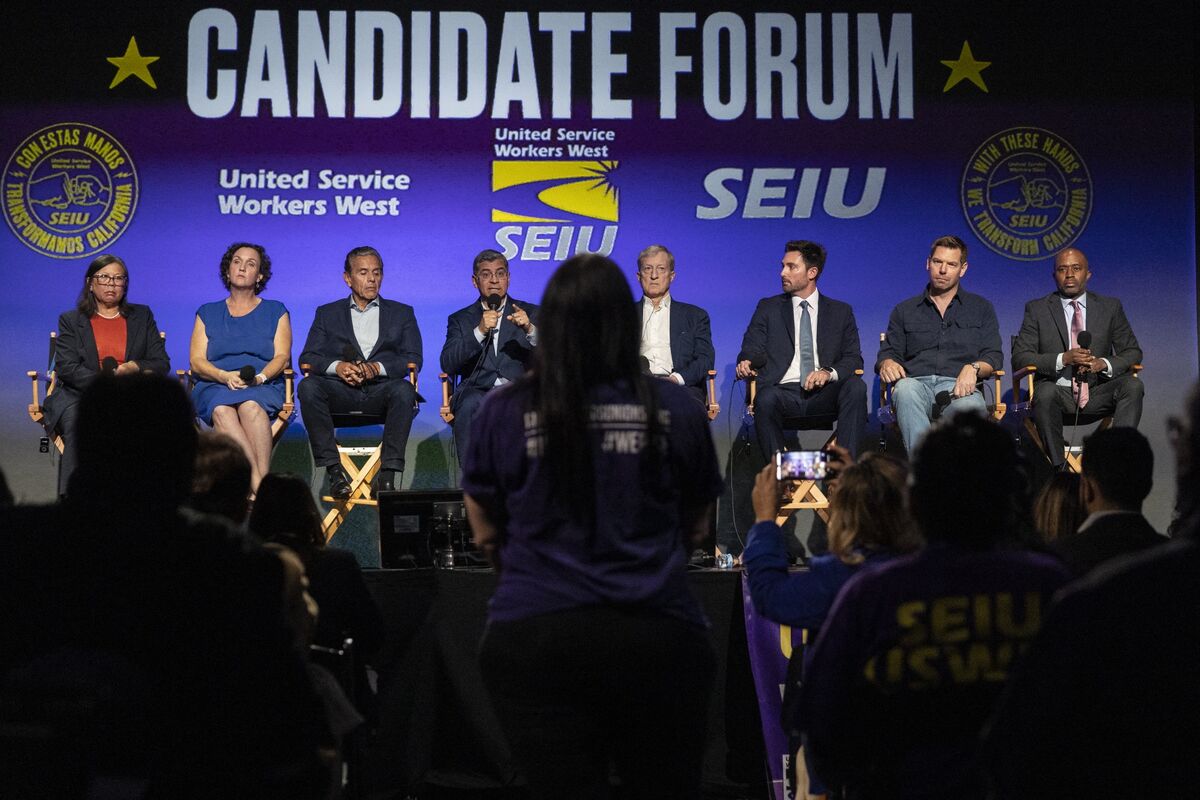
At a high-profile convention in San Francisco, party veterans and operatives grappled with a provocative scenario: could a Republican capture California’s governorship in the 2026 cycle? The concern isn’t merely symbolic theatre. It reflects deeper currents in California politics—rising independents, suburban realignments, and concerns over affordability and public service delivery that can dilute party loyalty. Veteran organizers, including those who helped shape Newsom’s path, acknowledged the possibility of a political opening if the party misreads the electorate’s priorities or falters on key policy promises.
Public and Party Reactions
Within Democratic circles, reactions vary. Some strategists emphasize a disciplined, issue-centered campaign focused on climate leadership, health care expansion, and housing affordability. Others warn against complacency and urge a tighter messaging framework that links local governance outcomes to statewide credibility. The Republican opposition—long viewed as a minority at the statewide level—has tried to elevate narratives around taxes, regulatory burden, and perceived governance fatigue, translating into a genuine risk to the status quo if turnout dynamics shift, particularly among swing voters in the suburbs and coastal corridors.
Structural Dynamics to Watch
- Democratic succession planning: The party’s approach to selecting a successor who can sustain Newsom’s policy trajectory without alienating moderates will be pivotal. A candidate’s ability to articulate a clear, practical governance agenda will determine the durability of Democratic dominance.
- Policy delivery vs. promises: Californians often weigh long-term policy visions against immediate concerns like cost of living, housing, and public safety. The administration’s record on delivering results in housing production, climate resilience, and health access will be under close scrutiny.
- Coalition realignment: California’s diverse electorate includes progressive bases and centrist coalitions. The path to victory may depend on maintaining broad coalition-building while mitigating friction points within the party itself, including labor, environmental, and business constituencies.
- Messaging and branding: The party’s capacity to brand California as both a beacon of progressive policy and a pragmatic state capable of effective governance will be tested. The messaging strategy must balance validation of achievements with accountability about remaining challenges.
Policy Implications for California Governance
The gubernatorial race will illuminate the balance between ambitious climate and social policy and the practical costs of implementation. Expect intense scrutiny of:
- Housing and zoning reforms: Critics and supporters alike will evaluate whether current frameworks are accelerating supply while protecting communities from displacement.
- Affordability and tax policy: Californians will demand tangible relief on housing costs and everyday services, pressuring the next governor to deliver targeted, evidence-based remedies.
- Public safety and infrastructure: The administration’s record on safety, transportation, and energy reliability will be contrasted against opponents’ calls for efficiency and streamlined regulation.
What Comes Next
- Campaign cadence and strategy resets: Expect new policy pacts and a clearer delineation between Democratic goals and practical governance to emerge as the race heats up.
- Regulation and oversight debates: As ideas around housing, energy, and labor policies become central, questions about regulatory efficiency and accountability will shape both campaigning and potential policy drafting.
- Voter mobilization efforts: California’s diverse electorate will demand tailored outreach—urban, suburban, and rural voters each with distinct concerns about affordability, jobs, and public services.
Conclusion
California’s governor’s race stands at a crossroads that tests the durability of one-party dominance in a state known for its policy innovation. The convention in San Francisco underscored both the confidence in Democratic governance and the awareness of a more competitive political landscape ahead. How the party translates leadership credibility into a coherent, winning platform will determine whether California keeps a governor aligned with its progressive aspirations or faces a reset that reshapes the state’s political calculus for years to come.