Overview
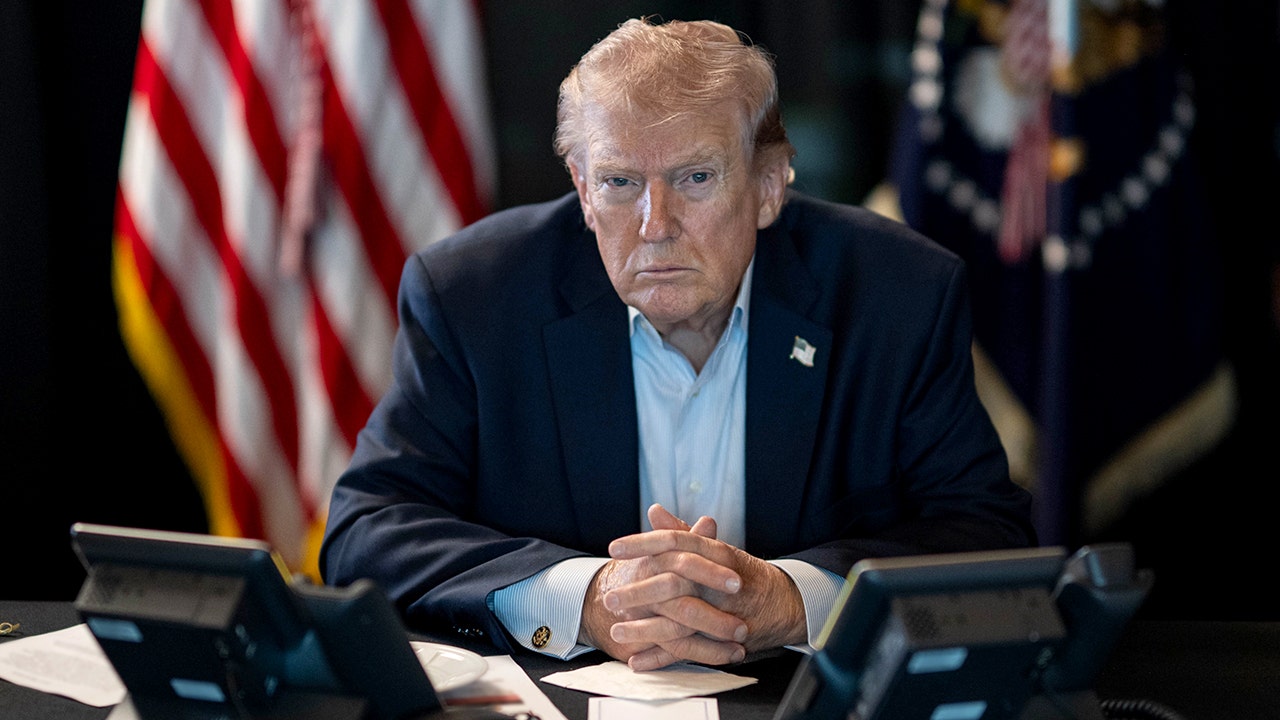
Former President Donald Trump has weighed in on Iran’s leadership transition, saying he’s “not happy” with the selection of a new supreme leader as Mojtaba Khamenei begins to consolidate power. The remark underscores how Iran’s internal succession—framed by a long-standing hierarchy and regional influence—continues to intersect with U.S. political calculations ahead of the 2026 election cycle. While the White House and allied lawmakers have varied approaches to Tehran, Trump’s stance signals a continued demand for stronger U.S. leverage over Iran’s security policies, nuclear posture, and regional behavior.
What Just Happened
Iran’s political system underwent a pivotal leadership transition as the country formalized the ascent of a new supreme leader. The institution guiding Iran’s political-religious framework—an office with broad influence over domestic policy, foreign affairs, and security—now operates under new stewardship. In the American political landscape, Trump framed the event through a populist lens: criticizing the decision and signaling that Tehran’s direction will be a focal point for U.S. scrutiny and potential policy shifts. The moment places Iran’s governance choices at the intersection of Executive Branch messaging and congressional interest in deterring nuclear escalation and destabilizing regional activities.
Public & Political Reactions
On the Republican side, Trump’s comments are likely to energize a broader debate about U.S. strategy toward Iran, including sanctions enforcement, deterrence, and potential diplomatic openings. Critics will weigh the practicality of any aggressive posture against the risks of unintended escalation in a volatile Middle East. Democrats and administration officials may emphasize calibrated diplomacy, alliance coordination, and verification mechanisms to prevent Iran from advancing its ballistic and nuclear ambitions. The public discourse centers on whether leadership changes in Tehran will meaningfully alter Tehran’s external behavior or if more comprehensive policy tools—economic pressure, regional alliances, and deterrence—are required to shape outcomes.
Strategic Stakes for U.S. Policy
- Deterrence and regional stability: Tehran’s leadership trajectory influences the risk calculus for Israel, Gulf allies, and U.S. forces in the region. Strong messaging from Washington reinforces a unified stance on nonproliferation and security commitments.
- Nuclear and ballistic missile programs: Any leadership shift affects the likelihood of renewed negotiations and the durability of international agreements. The administration and Congress will consider prioritizing verification enhancements and stricter enforcement of sanctions.
- Diplomatic signaling: U.S. political discourse can shape Tehran’s calculus regarding concessions, engagement, or defiance. Public statements from prominent figures may influence how allies interpret Washington’s willingness to press Tehran.
What Comes Next
Expect continued policy debate in Washington over how aggressively to confront Iran’s leadership and military capabilities. Potential steps include tightening sanctions on key sectors, strengthening regional partners’ defense capabilities, and pursuing a coherent strategy that pairs diplomatic channels with credible deterrence. Analysts will watch for any shifts in Iran’s external posture, its response to economic pressure, and the pace of its nuclear and missile programs. The leadership transition may also affect Iran’s responses to regional crises, including conflicts and sanctions enforcement, with potential ripple effects for global energy markets and international alliance politics.
Conclusion
As Iran transitions to a new supreme leader, U.S. political actors are indicating a sustained emphasis on shaping Tehran’s strategic behavior. Trump’s assertion reflects a broader pattern in American policy discourse: leadership changes in Tehran are not merely internal events but strategic inflection points with implications for nuclear nonproliferation, regional security, and the United States’ policy toolkit. How Washington translates rhetoric into concrete policy will be a key driver of U.S.-Iran relations in 2026 and beyond.