Overview
The latest exchange in the US political arena centers on a provocative assertion by former President Donald Trump regarding Iran’s access to U.S.-made Tomahawk missiles. The claim, which Trump circulating publicly, quickly drew scrutiny from the White House and experts who question its accuracy and potential consequences for U.S. foreign policy posture. As the 2026 political cycle intensifies, this episode is being framed not merely as a fact check but as a strategic test of messaging, credibility, and the administration’s ability to steer the narrative on national security risks abroad.
What Just Happened
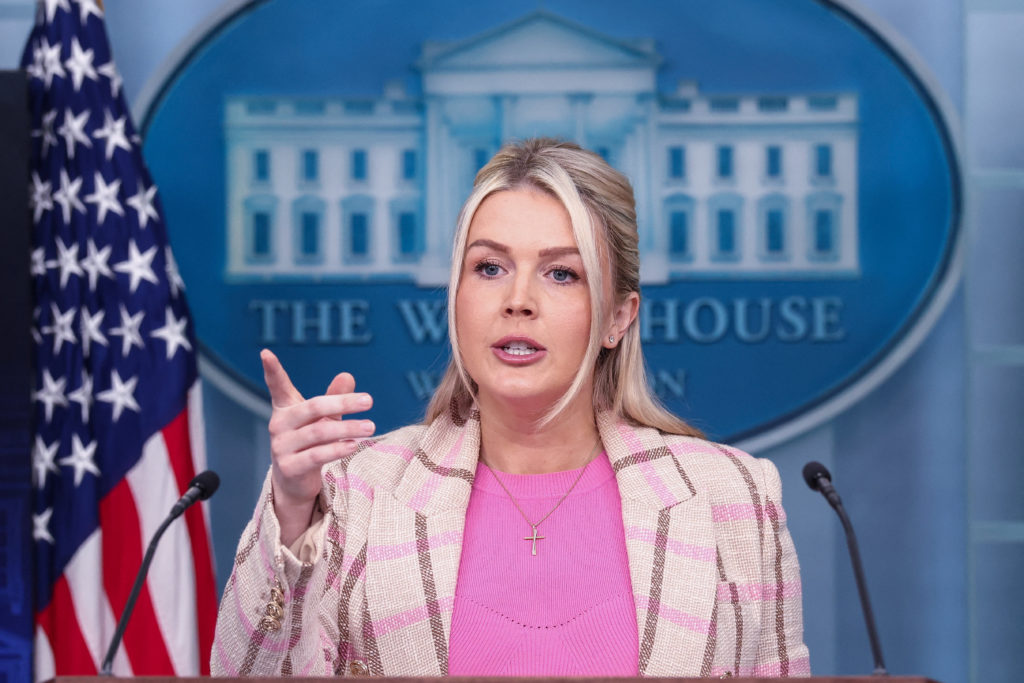
In the wake of a reported Iranian attack that reportedly struck a girls’ school in Iran, resulting in significant casualties, Trump asserted that Iran has access to Tomahawk missiles manufactured in the United States. The White House press secretary countered with a clear rebuttal, declining to provide an explanation for Trump’s claim and signaling a separation between official communications and informal or speculative statements from campaign or former-office figures.
The incident raises several critical questions: How credible is the assertion? What are the short-term diplomatic implications with Iran and partners in the region? And how will this affect voters’ perceptions of leadership competence, national security judgment, and the handling of sensitive intelligence in a highly polarized environment?
Public & Party Reactions
Within the political sphere, reactions are likely to be mixed and nuanced. Supporters may view the claim as a blunt signal of aggressive deterrence, while opponents may see it as a risky misstatement that could undermine trust in U.S. foreign policy messaging. Analysts will scrutinize not only the factual basis but also the strategic framing—whether these statements are being used to bolster a broader political narrative about security toughness, accountability, and decisiveness.
Policy and governance implications emerge as policymakers consider the risk of misinformation in national security discourse. If politicians repeatedly make top-line security claims without corroboration, that could erode public trust in official communications and complicate crisis management, deterrence calculations, and allied coordination. The episode also underscores ongoing tensions within the broader political ecosystem about how to balance urgent security messaging with careful, verified information.
Strategic Stakes and Global Context
The incident sits at the crossroads of election dynamics and international geopolitics. On the election front, candidates will likely be judged on how they balance credibility with assertiveness in matters of national security. A claim of access to U.S.-made weapons by a foreign adversary—whether substantiated or not—can influence perceived readiness to deter aggression, a core dimension of voters’ evaluation of leadership competence.
From a foreign policy lens, the flare-up may affect Tehran’s calculus and the broader regional dynamic with U.S. allies. Japan, Europe, and the Gulf states monitor how Washington communicates threats, how it justifies potential actions, and how it coordinates with partners on crisis response. The accuracy of such claims matters for alliance trust, arms-control conversations, and the integrity of intelligence-sharing channels.
What Comes Next
Looking ahead, several scenarios merit attention:
- Fact-checking and clarification: There will likely be renewed calls for precise attribution and evidence, especially from lawmakers seeking to defend or challenge national security narratives.
- Messaging discipline: The White House and campaign teams may tighten guidance on public statements about sensitive security topics to reduce the risk of misinformation and misinterpretation.
- Diplomatic continuity: Regardless of the claim’s veracity, diplomatic outreach and crisis-management protocols are expected to proceed, with allies seeking reassurance about U.S. commitments and strategic posture.
- Electoral impact: Polling and focus groups will gauge how voters weigh credibility in security communications and the perceived readiness to respond to international threats.
What This Means for Voters and Governance
For citizens, the episode highlights the importance of critical engagement with security claims and the need for transparent, verifiable information in high-stakes policy areas. It also emphasizes the broader governance question: how political actors responsibly communicate about international conflicts while avoiding inflammatory rhetoric that can destabilize markets, alliances, and public confidence.
Bottom line
As the US navigates an increasingly complex international landscape ahead of the 2026 elections, statements about foreign weapon access and attack capabilities will continue to be scrutinized for factual accuracy and strategic impact. The current episode serves as a litmus test for political accountability, messaging discipline, and the resilience of U.S. foreign policy messaging under high-pressure, real-world events.