Overview
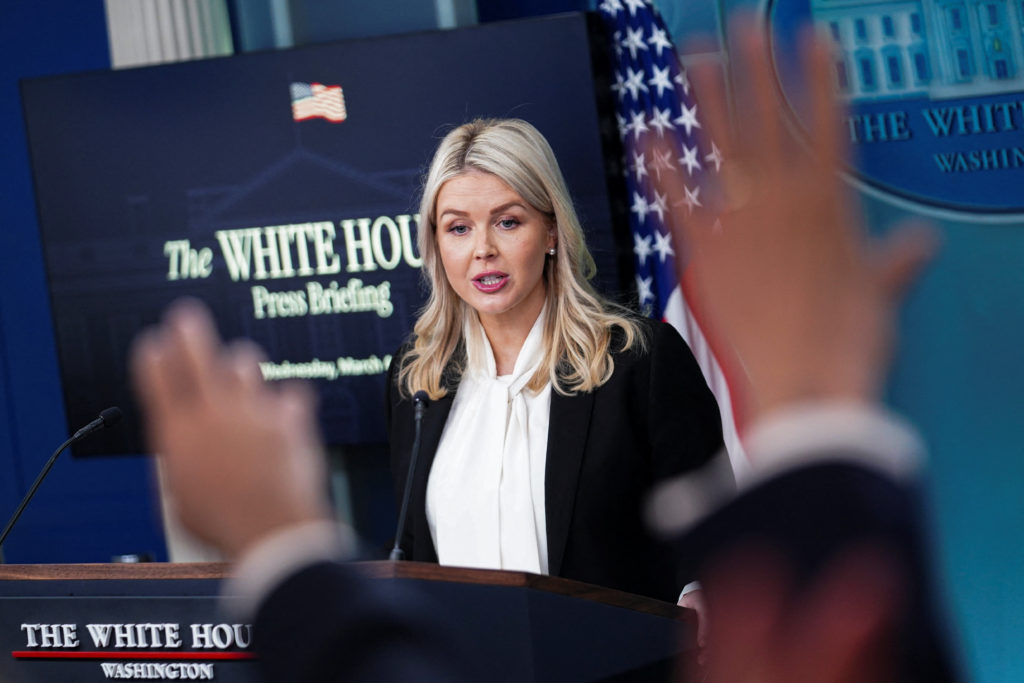
The White House announced what officials billed as the most intense day of strikes against Iran in recent memory, signaling a sharpened phase in the United States’ posture toward Tehran. The escalation comes amid a backdrop of ongoing regional tensions, contested diplomacy, and a domestic debate over the limits of military action. While the White House framed the measures as a necessary response to threats and destabilizing activity, policymakers, allies, and energy markets are closely watching for broader implications for regional stability and U.S. interests abroad.
What Just Happened
- U.S. forces launched a coordinated set of strikes targeting Iranian-backed proxies and facilities linked to illicit activity and alleged destabilizing operations.
- Officials emphasized that the actions are proportionate and intended to degrade capabilities while signaling resolve to deter future escalations.
- The White House indicated ongoing assessments and potential follow-on measures, depending on Iran’s response and regional dynamics.
Public & Party Reactions
- Strategists and lawmakers are weighing the move as a test of the administration’s willingness to pursue a more assertive containment strategy in the Middle East.
- Critics argue that the strikes risk widening conflicts and inflaming already fragile regional dynamics, while supporters contend they are a necessary measure to prevent further attacks and to preserve U.S. credibility.
- Global allies are communicating cautious support in public statements, urging de-escalation where possible and the maintenance of strategic coordination with partners in Europe, the Gulf, and beyond.
Strategic Context and Implications
- The escalation occurs amid a broader assessment of Iran’s regional influence, its nuclear and missile programs, and the ongoing negotiations around deterrence, diplomacy, and sanctions.
- Analysts consider whether this phase of strikes signals a long-term shift in U.S. policy from containment to a parity of preventive, high-impact actions, or if it reflects episodic escalations tied to specific provocations.
- The timing factors in domestic political calculations, including upcoming policy reviews and the administration’s messaging about national security priorities and deterrence credibility.
Impact on U.S. Interests
- Security: The immediate objective is to degrade capabilities used against U.S. and allied personnel and interests. However, there is concern about potential retaliation against American assets or partners in the region.
- Diplomatic: The action tests alliances and diplomatic channels. In the short term, partners may offer support or call for measured escalation, while adversaries could recalibrate their posture in the region.
- Economic: Energy markets and supply routes remain a focal point. Even temporally, spikes in risk perception can influence oil prices and regional investment climates, affecting consumers and sectors tied to energy security.
- Legislative and Policy Signals: The move may influence domestic debates over military authorization, border and defense budgets, and oversight of executive actions in covert and overt combat operations.
What Comes Next
- Monitoring the Iranian response is critical. Analysts expect a range of possibilities—from calibrated retaliation to limited de-escalation if diplomacy reopens channels.
- U.S. officials may unveil additional measures—ranging from sanctions adjustments to targeted tactical actions—depending on Tehran’s moves and allied consultations.
- The administration faces questions about broader strategy: whether to pursue a heightened deterrence posture, resume or renegotiate signaling through diplomacy, or adjust regional troop and asset allocations.
Geopolitical and Global Power Dynamics
- The strikes underscore a continuing pattern of U.S. willingness to employ decisive action to safeguard interests in volatile theaters.
- Iran’s educated leadership and regional allies are assessing whether to absorb, deter, or counteract future strikes, potentially strengthening regional alliances with other powers as a counterweight to American pressure.
- The global power landscape could see subtle shifts as allies adapt to a more aggressive U.S. posture and as adversaries seek to hedge risk through diversification of diplomatic and economic partnerships.
What to Watch
- Short-term: Iran’s response, any uptick in regional hostilities, and the status of allied statements and sanctions policies.
- Medium-term: Shifts in diplomacy channels, including potential new talks or renewed pressure on Iran’s nuclear and missile programs.
- Long-term: The trajectory of U.S. deterrence, defense budgeting, and strategic posture in the Middle East as part of an evolving global security framework.
In sum, today’s intensified strikes mark a pivotal moment in U.S. national security signaling. The move heightens the stakes for regional stability, invites scrutiny of diplomatic channels, and will reverberate through energy markets, defense planning, and international relations for months to come. As policymakers assess consequences, the broader question remains: will this escalation yield durable deterrence, or will it provoke a broader recalibration of strategies by Tehran and its regional partners?