Overview
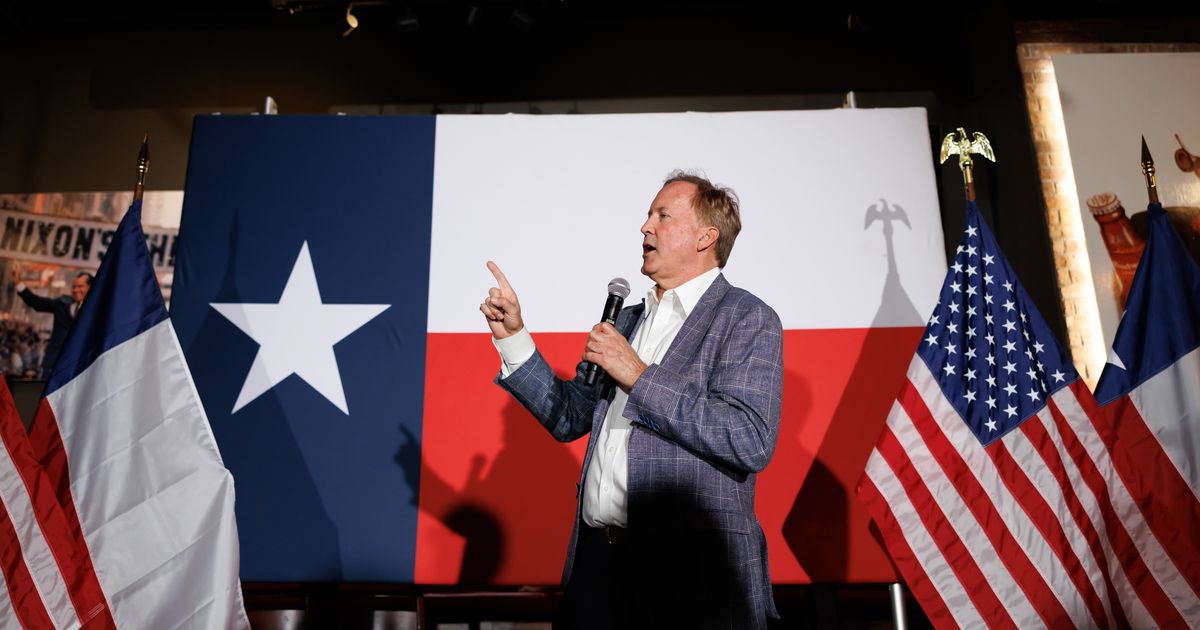
Texas Attorney General Ken Paxton appears to be leveraging a high-stakes electoral gambit in the state’s 2026 political landscape. While the race remains fluid, early movements suggest Paxton is deploying a focused strategy to consolidate support within his base, shape conservative messaging, and position himself as a pivotal voice on law, order, and regulatory leadership in Texas. This analysis examines what’s shaping Paxton’s push, who it’s designed to appeal to, and the implications for Texas politics and national conversations about governance.
What Just Happened
Paxton has intensified his public profile and fundraising activity, signaling readiness for a potential Senate bid or influential bid for leadership within the upper chamber’s Republican caucus. The approach combines a combative, pro-law-and-order narrative with targeted outreach to conservative voters, business communities wary of regulatory overreach, and national Republicans seeking a reliable ally on federal-state dynamics. Observers note a disciplined messaging strategy that frames Paxton as a defender of state sovereignty and a pragmatic, pro-growth insider.
Public & Party Reactions
Reaction within Texas and the wider GOP ecosystem is mixed but attentive. Supporters emphasize Paxton’s long tenure as a blunt, sometimes controversial figure who has repeatedly positioned himself as a bulwark against perceived federal overreach and as a steward of Texas’ regulatory environment. Critics question his track record on ethics and governance, suggesting that a Senate bid would test his ability to build cross-cutting coalitions in a chamber that often requires consensus-building beyond party lines. Republican donors and activists are weighing Paxton’s potential to energize the base while evaluating risk factors associated with elevated scrutiny and the national media spotlight that accompanies high-profile statewide races.
Policy Signals and Rhetoric
A core element of Paxton’s narrative centers on security, regulatory restraint, and economic vitality. The messaging emphasizes:
- Strong border and public safety priorities, underscoring a commitment to law enforcement and crime reduction.
- A regulatory framework that favors business certainty while advancing conservative approaches to consumer protection, energy policy, and state sovereignty.
- A stance on education, public institutions, and constitutional rights, framed around parental choice and limited government interference.
These policy signals are designed to resonate with core Texas Republicans who prioritize law and order, economic growth, and a skeptical view of federal intervention.
Implications for Texas Politics
- Electoral dynamics: If Paxton’s momentum persists, expect increased competition for incumbents and potential realignments within the Texas GOP. A successful push could pressure opponents to articulate clearer stances on security and regulatory policy, while energizing base voters ahead of primaries or caucuses.
- Governance implications: A Paxton-focused campaign would likely spotlight state-level governance capabilities, testing the ability of state leaders to deliver on regulatory reforms and public safety initiatives even under national crosswinds.
- National resonance: As a high-profile state, Texas often serves as a bellwether for Republican messaging. Paxton’s approach could influence how the party balances aggressive state sovereignty with the need to expand cross-state coalitions ahead of federal policy debates affecting energy, immigration, and technology.
What Comes Next
- Campaign milestones: Expect pausing to assess the landscape as potential filing deadlines approach, with Paxton’s team refining a field-tested toolkit: fundraising, coalition-building, and issue-forward messaging.
- Opposition response: Opponents may underscore ethics concerns and governance records, challenging Paxton on consistency of policy and leadership style. In response, Paxton’s team will likely sharpen contrast messaging around accountability, public safety, and economic vitality.
- Broader policy conversations: The race could intensify discussions on Texas’ regulatory posture, energy strategy, and education policy, with Paxton advocating for positions that claim to preserve state autonomy while delivering tangible outcomes for Texans.
What to Watch
- Polls and donor dynamics: Track shifts in fundraising, endorsements, and early survey results to gauge momentum and potential coalition-building across factions within the Texas Republican base.
- Debate performance: Observe how Paxton translates his law-and-order and sovereignty branding into concrete policy proposals that appeal to a broader electorate without alienating core supporters.
- National implications: Monitor how Paxton’s positioning influences Republican conversations about federal-state relations, energy policy, and regulatory reform in the lead-up to 2026 elections.
In summary, Ken Paxton’s apparent strategic push in Texas signals a concerted effort to shape the 2026 Senate conversation around security, sovereignty, and regulatory leadership. While the path to victory is complex and contingent on many dynamic factors, the early momentum highlights the enduring power of a disciplined, message-driven campaign in a deeply polarized political environment.