Overview
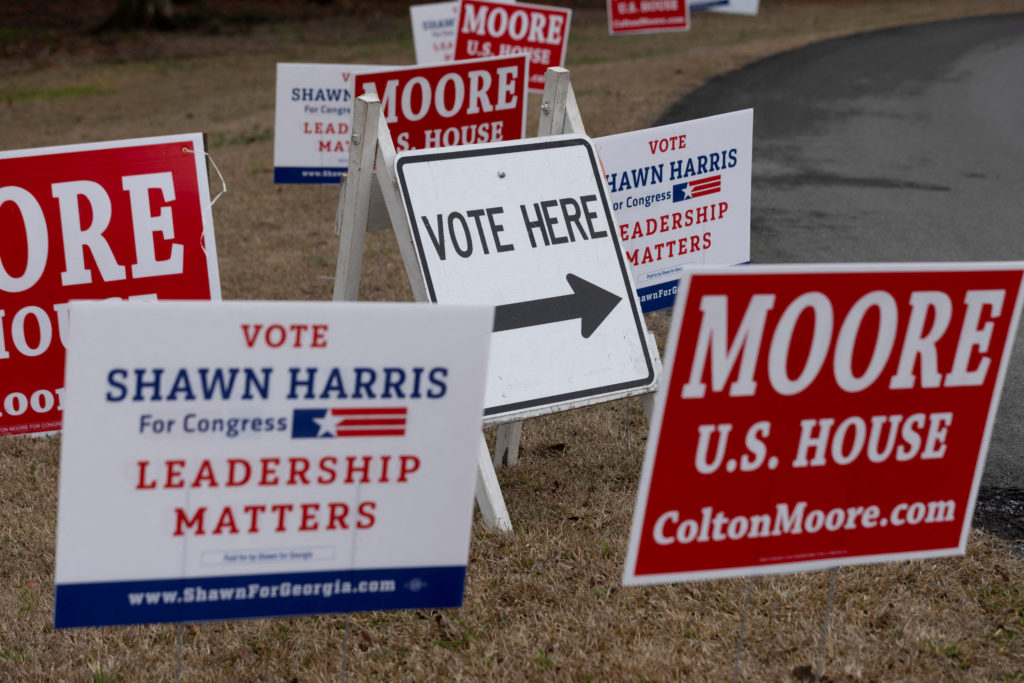
Georgia’s special election to fill the vacancy created by Marjorie Taylor Greene’s departure has rapidly become a focal point for national observers tracking how the GOP and its rivals navigate a high-stakes political landscape. An initial field of 22 candidates has narrowed to 17 active contenders after withdrawals, underscoring the competitive dynamics at play in a district that combines populist energy with traditional conservative prioritization. As campaigns accelerate, the outcome could influence party messaging, fundraising, and the broader strategy heading into the 2026 midterms.
What Just Happened
The vacancy triggered a fast-moving, crowded field as Republicans and Democrats alike sought to capitalize on a district with a history of strong partisan alignment but growing intra-party competition. The initial filing surge reflected high political interest, but withdrawals trimmed the field, signaling strategic recalibration by candidates and their teams. With primary dates and election mechanics still shaping up, campaigns are honing messages that resonate with local concerns while tuning national-line contrasts to maximize turnout and donor engagement.
Public & Party Reactions
Inside GOP circles, there is a discernible push to balance loyalty to established conservative priorities with the need to appeal to swing voters in a district that has shown variation on issues such as government spending, immigration policy, and rural-urban economic divides. Party elites are signaling a preference for candidates who can translate national sentiment—whether on inflation, regulation, or public safety—into tangible local benefits. Democrats, meanwhile, aim to frame the race as a test of accountability and governance competence, emphasizing practical policy contrasts and the ability to deliver constituent services.
Campaign Dynamics to Watch
- Candidate positioning: With 17 contenders, the field favors those who can articulate clear, locally relevant policy proposals while maintaining a unified message against national political headwinds. Voters are likely to respond to candidates who present a credible plan on healthcare access, public education funding, and transportation infrastructure.
- Fundraising and endorsements: Early fundraising reports and endorsement deals will shape momentum. A handful of contenders may emerge as frontrunners based on donor networks, outside group support, and perceived electability.
- Turnout mechanics: Special elections typically skew toward highly motivated base voters. Campaigns will focus on turnout operations, including early voting, mail ballots (if applicable), and ground games in key precincts. Mobilizing volunteers and optimizing geographic targeting will be critical to converting enthusiasm into votes.
- Policy signals: Observers will parse any candidate emphasis on federal regulatory reform, fiscal conservatism, and national-security posture. The race could become an early barometer for how district-level voters feel about the current administration’s governance and legislative priorities.
What This Means for Georgia and Beyond
- Governance implications: The chosen representative will step into a seat where committee assignments and legislative influence can shape debate on federal funding, national security, and domestic policy. The outcome may influence how the GOP calibrates a 2026 midterm strategy, particularly in suburban and rural battlegrounds.
- Regulatory and economic messaging: Campaigns will likely emphasize practical solutions to cost of living, energy policy, and regulatory burdens. Voters will gauge which candidate is best positioned to advocate for business-friendly policies while protecting essential services.
- National signal: A strong showing by a candidate who emphasizes pragmatic governance could signal a shift in how political campaigns balance populist messaging with policy detail, potentially guiding messaging frameworks for both parties in the months ahead.
What Comes Next
- Primary scheduling and rules: The voting calendar, including any dates for primaries or runoffs, will determine the pace of campaigning. Candidates will adjust their strategies to align with deadlines, ballot access requirements, and any special procedures.
- Debates and issue framing: Expect a series of debates or forums where candidates test policy proposals against one another. The topics chosen will reveal which issues resonate most with the electorate and how candidates differentiate themselves.
- Voter outreach push: Get-out-the-vote efforts will intensify as election day approaches. Campaigns will rely on data-driven micro-targeting, canvassing, and digital outreach to mobilize supporters and convert undecided voters.
Bottom line
Georgia’s special election to fill Marjorie Taylor Greene’s former seat is shaping up as more than a routine vacancy. It’s a proving ground for candidate viability, campaign organization, and policy messaging at a moment when national questions intersect with local concerns. The field’s evolution—from 22 to 17 active contenders—signals strategic realignments that could reverberate through the 2026 political landscape, influencing how parties recruit candidates, fundraise, and frame their governance promises to an increasingly scrutinizing electorate.