Overview
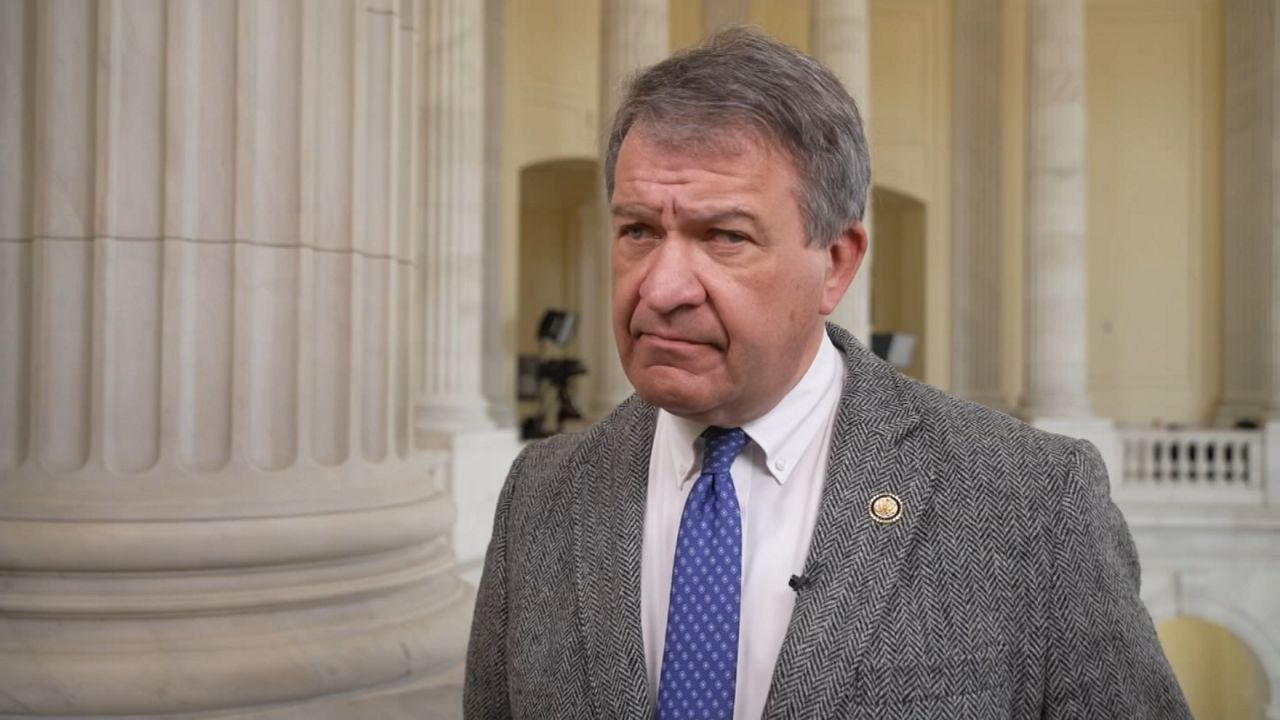
A New York congressman has stepped forward with a targeted push on election reform, highlighting a broader 2026 strategic shift among lawmakers who align reform agendas with the evolving dynamics surrounding former President Donald Trump. The move arrives as national attention increasingly centers on how election laws and oversight mechanisms could influence competitiveness, integrity, and governance in the next cycle.
What Just Happened
The congressman introduced or endorsed new proposals aimed at tightening or expanding facets of election administration. The proposals touch on areas such as voting access, reporting standards, audit capabilities, and oversight transparency. While specific policy details vary, the signal is clear: reform-minded lawmakers are seeking to shape how elections are conducted, monitored, and challenged, with an eye toward both safeguarding legitimacy and clarifying regulatory boundaries.
Public & Party Reactions
Support within the party base appears strongest among colleagues who view reform as a means to bolster trust in results and reduce vulnerabilities in the election system. Critics, including some opponents and outside observers, may frame the proposals as partisan instruments or as overreach, depending on the specifics of the policy design. The reaction landscape suggests a contested but high-visibility debate that could influence fundraising, messaging, and candidate positioning ahead of primaries and general elections.
Policy Implications and Context
- Governance and regulatory footprint: The reform push emphasizes governance safeguards—improved audit trails, clearer certification processes, and enhanced disclosure around election finance and operations. Such measures could create more robust oversight while raising questions about implementation timelines and state-level adaptability.
- Election integrity vs. access: Proposals commonly aim to balance ensuring credible results with preserving broad participation. Advocacy around this balance will be central to how the policy is received by voters, election officials, and civil society groups.
- Trump dynamics: The timing aligns with a period of heightened focus on election reform in the broader political ecosystem, where discussions about integrity, trust, and procedure intersect with Trump’s stated emphasis on reform. The interplay between these dynamics could shape campaign messaging, coalition-building, and legislative strategy for years to come.
Who Is Affected
- Voters: Potential changes to voting procedures and access rules could affect how, when, and where people cast ballots.
- Election officials: New compliance, reporting, and audit requirements would influence day-to-day administration and verification workflows.
- Campaigns and parties: Reform proposals may redefine the competitive landscape by altering the pace of certification, ballot access, and litigation risk.
Economic or Regulatory Impact
The immediate economic impact of election reform proposals is likely modest relative to other policy areas, but regulatory costs could accumulate for jurisdictions implementing new audit and reporting standards. Over time, a clearer and more consistent regulatory framework may reduce uncertainty for vendors, poll workers, and local governments, potentially lowering the transactional friction around elections.
Political Response and Next Steps
- Legislative motion: If the proposal gains traction, committees may hold hearings, commission study reports, and seek bipartisan buy-in to advance legislation through Congress.
- State-level alignment: Much of election administration operates at the state and local level. The federal push could spur corresponding reforms or friction depending on state priorities and existing laws.
- Voter engagement: Advocates may leverage the reform discussion to mobilize voters around governance issues, while opponents may push back through counter-messaging focused on access or perceived overreach.
What Comes Next
Expect a period of intensified debate as the reform plan moves through committee scrutiny and public comment. Watch for:
- Specific policy amendments addressing audit standards, signature verification, and post-election audit processes.
- Clarifications on funding mechanisms for implementation and oversight.
- The degree of bipartisan collaboration or partisan contention shaping the bill’s trajectory.
In a political landscape where election integrity and reform are increasingly linked to national discourse, this NY congressman’s push signals a strategic maneuver: shape the rules of the game, frame the narrative around trust and governance, and position for a 2026 electorate that remains deeply attentive to how elections are run. The coming months will reveal whether the reform agenda can gain durable support across party lines and translate into meaningful changes at a momentCuando the U.S. seeks both better governance and clearer accountability.