Category: International Conflict & Geopolitics
Situation Brief
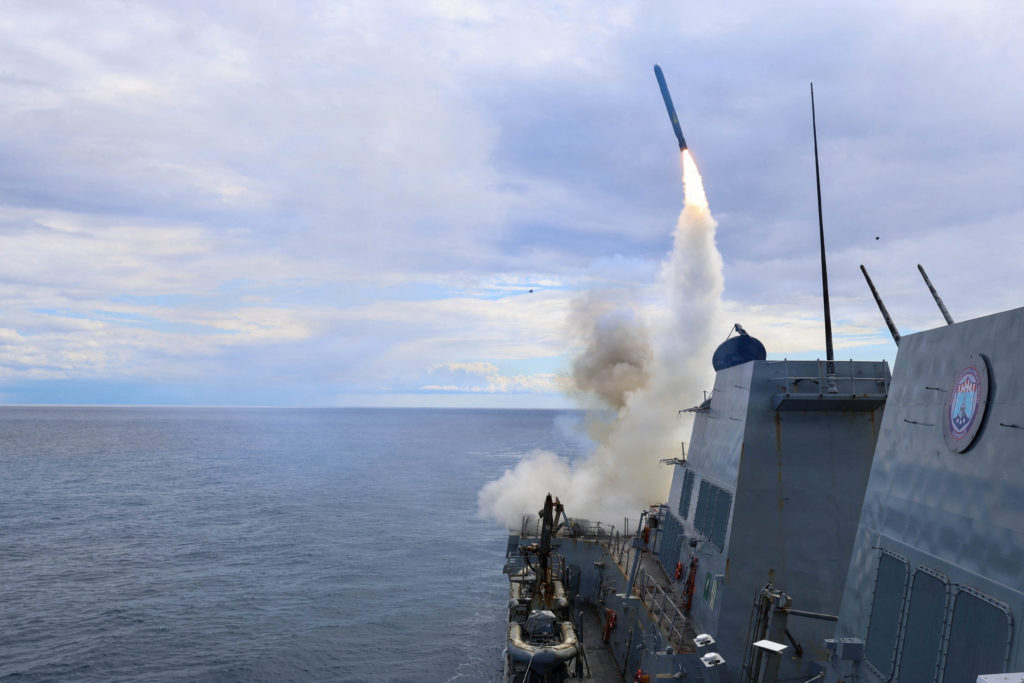
In 2026, debates around Iran’s military capabilities intersect with broader questions about U.S. defense technology, export controls, and regional security. One recurring claim concerns Tomahawk cruise missiles, long a symbol of U.S. naval power. The core point is whether Iran or other actors possess Tomahawks and, if so, how this affects strategic calculations in the Middle East. The straightforward fact is that Tomahawk missiles are manufactured by Raytheon, a U.S. defense contractor, and are fielded by the United States and select trusted partners. While a few other nations have acquired cruise missiles, Tomahawks in particular are tightly associated with U.S. forces and allied access through specific military agreements. This reality sits at the intersection of ongoing geopolitical tensions, arms control discussions, and the politics of defense exports.
Strategic Stakes
- Deterrence and power projection: Tomahawks symbolize the reach of U.S. naval strike capability. For actors such as Iran, understanding (and publicly discussing) missile capabilities informs strategies around escalation management, red lines, and crisis stability.
- Export controls and technology sovereignty: The U.S. tightly regulates advanced air-launched and sea-launched missiles. Discussions about who can acquire similar capabilities underscore debates over export licenses, multinational defense partnerships, and technology transfer rules.
- Regional security dynamics: Iran’s strategic posture, including its ballistic program and regional proxies, interacts with Western—and regional—militaries. The existence of similar-class systems elsewhere does not imply equivalent reach or command-and-control architectures, but it does shape perceptions of threat levels and security guarantees.
Impact on US Interests
- Alliance credibility: U.S. assurances about its own capabilities and the availability of robust defense systems bolster allies’ confidence in deterrence strategies. However, sensitive technology sharing remains a delicate diplomatic matter, balancing deterrence with nonproliferation norms.
- Nonproliferation and arms control: The broader conversation around who possesses advanced missiles touches on nonproliferation frameworks, export-control regimes, and the potential for diplomatic pathways to reduce regional arms races.
- Economic and industrial policy: U.S. defense exports underpin domestic defense industry jobs and cybersecurity of supply chains. Public debates often focus on maintaining leadership in precision-guided munitions while preventing unchecked proliferation.
Global Power Dynamics
- Credibility versus exposure: While the U.S. maintains a qualitative edge in long-range precision systems, other great powers are pushing to close gaps through domestic innovations or allied procurement programs. This dynamic fuels a broader competition over military technology influence, deterrence paradigms, and regional security architectures.
- Crisis management and risk: The presence of advanced cruise missiles in any actor’s inventory complicates crisis signaling. For policymakers, the priority is maintaining de-escalation channels, clear red lines, and robust readiness without triggering inadvertent conflict.
Forward-Looking Risks
- Escalation scenarios: In volatile flashpoints, even rumors or misperceptions about capability can heighten miscalculation risk. Clear communication about what is and isn’t available can reduce misreadings, but may also prompt adversaries to adjust threat postures.
- Regulatory evolution: Expect ongoing scrutiny of defense export controls, licensing processes, and international agreements that govern cruise missile technology. Policy tightening could influence allied procurement and joint development projects.
- Diplomatic pathways: International diplomacy may increasingly foreground arms control talks that address long-range precision weapons, with potential for new confidence-building measures or treaties that reshape force postures in critical regions.
What Comes Next
- Policymaking and oversight: Congress and executive agencies are likely to continue refining export-control regimes and foreign military sales policies. Expect debates over balancing deterrence, alliance cohesion, and nonproliferation commitments.
- Public discourse and journalism: Media narratives will continue to underscore the role of U.S.-made missile technology in global security, pressing the administration and industry to be precise about capabilities, licenses, and transfers.
- Regional diplomacy: Washington and its allies will likely pursue coordinated security frameworks with Middle East partners, aiming to deter aggression while offering avenues for de-escalation and crisis management.
If you’re tracking how advanced weapons technology shapes geopolitical calculations in 2026, the central takeaway is clear: Tomahawk missiles symbolize more than a weapon system. They embody policy choices about export controls, alliance credibility, and the balance between deterrence and restraint in a tense, multipolar landscape.