Overview
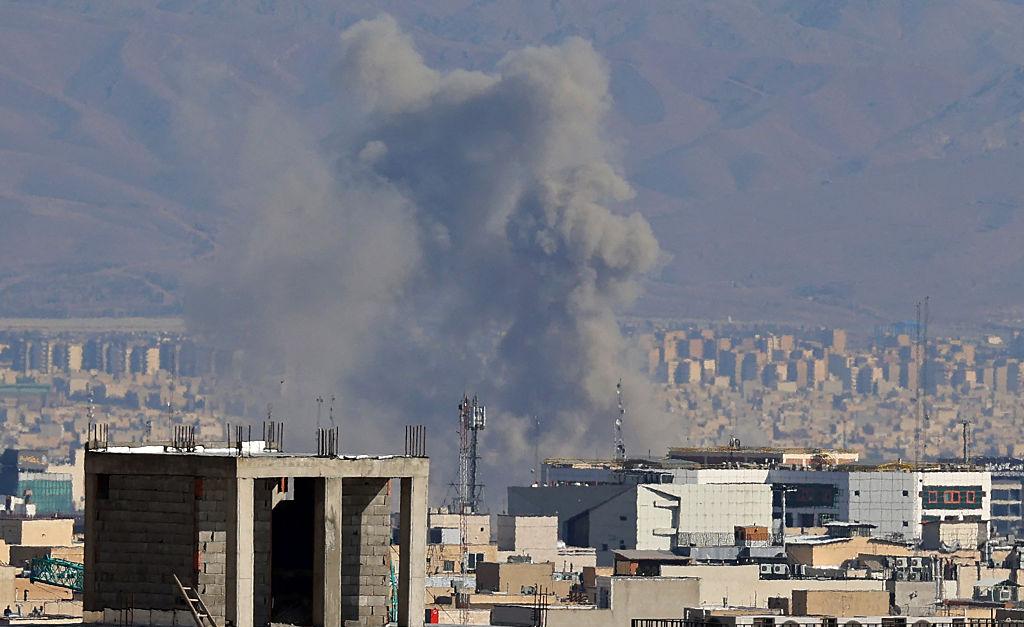
Beyond headline headlines, 2026 is shaping up as a year where domestic governance, regulatory choices, and strategic messaging collide. Three major threads are testing the resilience and direction of U.S. policy: the possibility of heightened confrontation with Iran and its ripple effects on diplomacy and defense spending; a controversial housing plan at Sunnyside Yard that foregrounds federal-local cooperation and urban development trade-offs; and a surge of ACL injuries impacting girls’ sports, prompting conversations about youth fitness, investment in prevention, and the role of schools and leagues in safeguarding athletes. Together, these topics illuminate how policymakers translate strategic concerns into concrete rules, funding decisions, and institutional priorities.
Context
- National security posture and foreign policy messaging are under scrutiny as lawmakers weigh the risks and costs of potential escalation with Iran. The debate centers on whether diplomatic channels remain open, the pace of sanctions or military options, and how any action would affect domestic energy markets, inflation, and veteran care budgets.
- Housing policy at Sunnyside Yard highlights the ongoing tension between housing supply expansion, transit-oriented development, and neighborhood concerns. The federal government’s stance on urban redevelopment often centers on financing, environmental reviews, and equitable access to housing, highlighting the need for coordinated cross-jurisdictional policy.
- The ACL injury surge in girls’ sports raises questions about youth health, athletic safety standards, and the responsibility of schools, leagues, and health systems to invest in prevention and care. Policy discussions may touch on funding for training, access to medical care, and data collection to inform prevention programs.
Policy Snapshot
1) National Security & Foreign Policy Signals
- Congress and the administration are weighing a calibrated approach to Iran, balancing deterrence with diplomacy. Debates focus on whether to pursue stricter sanctions, maintain limited military options, or prioritize diplomacy with allied coordination.
- The policy question extends to defense budgeting: would a more assertive posture necessitate additional funding for missile defense, intelligence operations, or veterans’ services, and how would that affect domestic priorities such as infrastructure or housing subsidies?
2) Housing at Sunnyside Yard
- The Sunnyside Yard project spotlights a broader federal strategy to unlock housing inventory near transit lines. Policy considerations include federal funding streams, environmental reviews, community benefits agreements, and protections for current residents.
- Regulators are contending with how to balance density with neighborhood character, ensure affordable units, and manage emissions and noise impacts that come with dense development near a major rail hub.
- Local officials are pressing for transparent impact analyses, clear timelines, and strong oversight to prevent cost overruns and ensure that the proposed housing aligns with broader urban resilience and climate goals.
3) Youth Sports Health and Safety
- The ACL injury uptick among girls’ sports participants has put youth health into the policy spotlight. School districts, athletic associations, and healthcare providers are exploring standardized injury prevention curricula, safer equipment mandates, and protocols for return-to-play.
- Policymakers may consider funding for athletic trainers in schools, best-practice guidelines for conditioning programs, and data-sharing agreements to monitor injury trends while safeguarding student privacy.
- The debate also touches on equity: ensuring that all districts—urban and rural—have access to preventive resources and medical care that minimize long-term consequences of ACL injuries.
Who Is Affected
- Residents in urban markets near major transit corridors, especially those in housing programs tied to Sunnyside Yard, stand to see changes in housing availability, rents, and neighborhood amenities.
- Homebuyers, renters, and small landlords may experience shifts in zoning, financing, and development timelines due to federal housing policy decisions tied to transit-oriented growth.
- Student-athletes, families, school administrators, and coaches are directly impacted by policy decisions on injury prevention funding, staff requirements, and access to medical care.
- Security and defense policy implications will influence taxpayers, veterans, energy markets, and communities concerned about the stability of international relations and its domestic costs.
Economic or Regulatory Impact
- Housing initiatives near transit can stimulate local economies through construction jobs, increased foot traffic for businesses, and potential changes in property values. Regulators must align federal funding with local capacity, ensuring affordability and long-term sustainability.
- A more assertive stance toward Iran could affect energy markets, sanctions regimes, and defense procurement. Any policy move will necessitate budget adjustments and potential reallocation of resources among diplomacy, development, and domestic programs.
- Strengthening injury prevention in youth sports may require investment in athletic infrastructure, training for staff, and standardized data collection, with short-term costs offset by long-term savings from reduced healthcare needs.
Political Response
- Lawmakers across parties are likely to push for clear, executable plans: explicit timelines for Sunnyside Yard development, transparent criteria for housing affordability targets, and measurable objectives for youth sports safety programs.
- The public will respond to perceived clarity and consistency in messaging: the more policymakers can tie foreign policy decisions to tangible domestic benefits and protections, the higher the perceived legitimacy and public trust.
- Opposition voices may question the balance between national security priorities and domestic investments, pressing for greater transparency, cost controls, and accountability.
What Comes Next
- Expect continued debates over the Iran policy framework, with potential supplemental appropriations for defense, diplomacy, or veteran services depending on how security dynamics evolve.
- Sunnyside Yard discussions will move toward environmental impact statements, community engagement milestones, and funding timelines, with adjustments based on local demand and affordability metrics.
- Youth sports health policy will likely advance through a combination of state-level guidelines, district-level implementations, and incentives for equipment and training improvements, with an emphasis on early intervention and data-driven prevention.
Forward-Looking Risks
- If diplomatic tension with Iran escalates, there could be volatility in energy prices and domestic API costs that influence budgetary planning for education, housing, and health.
- Housing policy risks include cost overruns, gentrification concerns, and the risk that transit-oriented development does not deliver the promised affordable units without robust oversight.
- Injury prevention programs carry the risk of uneven implementation across districts; without universal funding and training, disparities in youth health outcomes could widen.
Conclusion
The synthesis of foreign posture, urban housing policy, and youth health safety reveals a policy landscape that demands disciplined coordination across federal, state, and local levels. In 2026, success will hinge on transparent budgeting, accountable project management, and data-driven safety improvements—delivering tangible benefits while maintaining strategic clarity on national security and economic resilience. Policymakers who align strategic aims with practical, citizen-centered implications will shape a governance trajectory that both protects national interests and strengthens everyday life for communities across the United States.