Overview and context
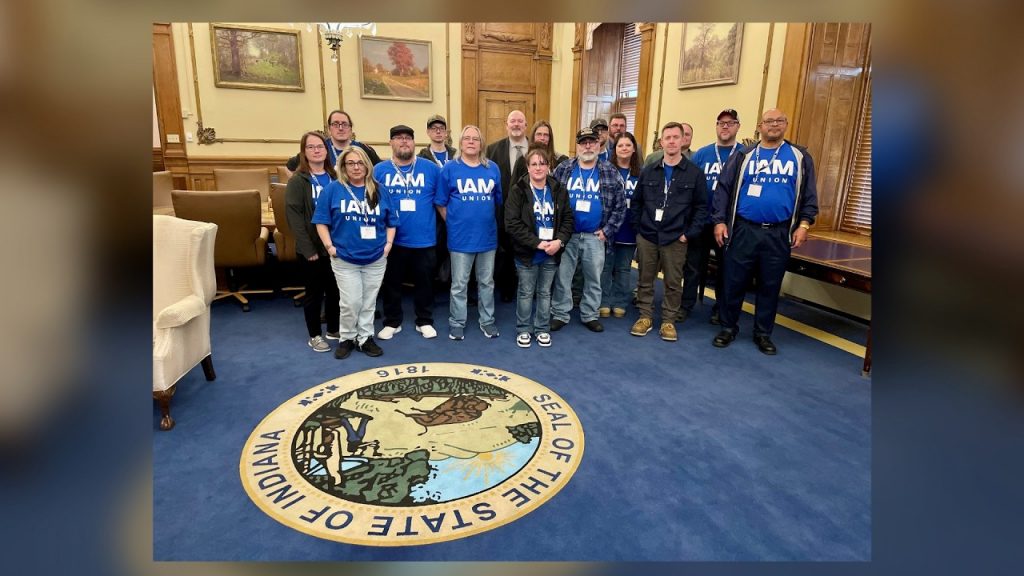
Union officials from the IAM Executive Council recently traveled to Indianapolis for the Indiana State Council conference, signaling a strategic push to mobilize the union’s statewide legislative arm. This gathering underscores a broader trend: organized labor increasingly treats state capitals as pivotal battlegrounds for advancing workers’ rights, benefits, and protections. The visit combined ceremonial engagement with targeted political outreach, aiming to align delegates with policy priorities that could influence Indiana’s labor landscape in the near term.
What happened and why it matters
The trip was framed as a concerted effort to energize and coordinate the state council’s delegates around legislative priorities. Delegates, seen as the union’s operational bridge to state policymakers, were encouraged to participate actively in the policy process, including monitoring bills, lobbying key lawmakers, and communicating with constituents about labor-friendly reforms. The move reflects a deliberate strategy to translate union advocacy into actionable political influence at the state level, where many workforce issues—wages, benefits, safety standards, and workforce development—are debated and decided.
Implications for workers and policy
- Labor influence on legislation: By equipping delegates with information and organizing capacity, the IAM aims to shape debates on measures affecting collective bargaining rights, workplace safety, and job quality. Success could translate into more favorable regulatory environments and policy outcomes for Indiana workers.
- Political engagement as a governance tool: The engagement signals a shift toward formalizing unions as active participants in the policy process, not merely as opponents or critics of proposed legislation. This approach can affect how bills are drafted, amended, and communicated to the public.
- Potential challenges: Heightened union activity at the state level may encounter pushback from lawmakers wary of organized labor influence, particularly in contexts of budget constraints or debates over public sector labor costs. The dynamic could influence electoral considerations as unions invest in candidate alignment with labor priorities.
Who is involved and what it signals
The IAM Executive Council’s presence in Indianapolis emphasizes a coordinated, top-down effort to translate organizational resources into political capital. By engaging delegates who serve as the union’s statewide legislative arm, the activity highlights a professionalized, initiative-driven model of labor-state engagement. This can signal to policymakers, employers, and workers that union leadership intends to maintain a robust, policy-focused presence well beyond traditional collective bargaining advocacy.
Political and strategic outlook
- Short-term: Expect increased monitoring of Indiana’s labor and regulatory bills, with targeted lobbying and constituent outreach around key issues like wage standards, health and safety regulations, and workforce development funding.
- Medium to long-term: If this model proves effective, more state councils could replicate the approach, potentially elevating the role of union delegates in state governance conversations and shaping electoral alignments around labor priorities.
- Risks and opportunities: The strategy offers a pathway to more concrete policy gains but also invites partisan scrutiny. The outcome will depend on coalition-building, messaging clarity, and the ability to demonstrate tangible benefits to workers and communities.
What to watch next
- Legislative interaction: Track any formal statements, testimony, or coordinated lobbying efforts tied to Indiana’s upcoming sessions. Look for newly introduced bills aligned with union priorities and any resulting amendments.
- Delegate activity: Follow reports on state council delegate engagement, including training, mobilization events, and grassroots outreach campaigns designed to mobilize workers.
- Economic and workforce signals: Monitor budget decisions, funding for job training, safety compliance programs, and wage-related proposals, as these areas often reflect the practical impact of union-led policy advocacy.
Bottom line
The Indiana State Council conference, attended by IAM leadership, signals a deliberate expansion of labor influence into the state policy arena. By empowering delegates as a legislative arm, the union is pursuing a more proactive role in shaping legislation that affects workers’ rights, pay, and protections. For Indiana’s labor landscape, the coming months will reveal whether this approach translates into meaningful policy gains and a durable shift in governance dynamics around work and economics.