Situation Brief
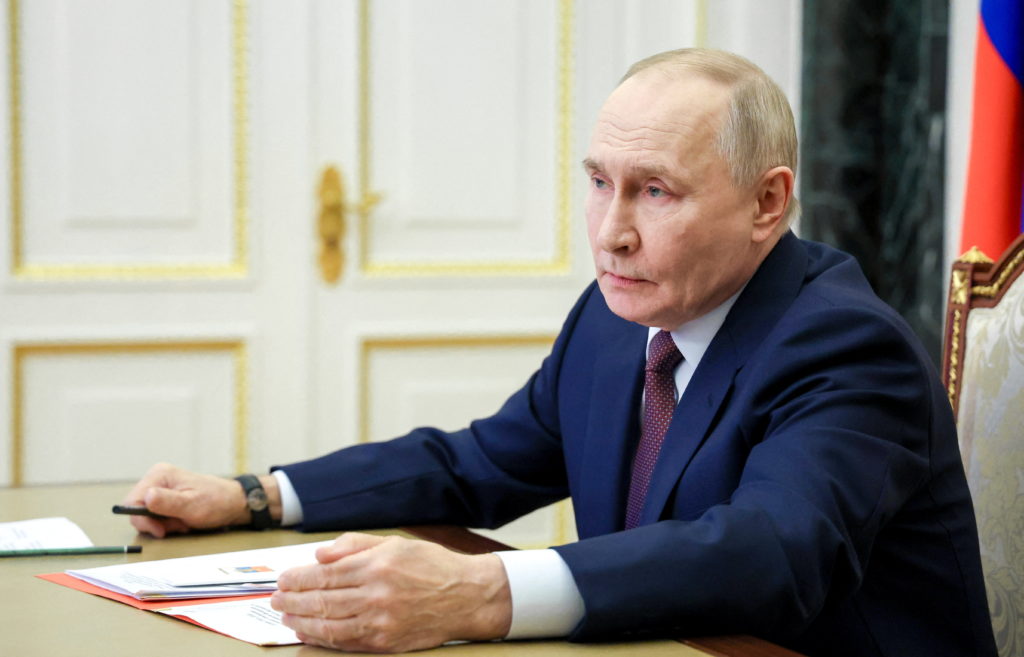
A recent phone discussion between former President Donald Trump and Russian President Vladimir Putin’s circle was framed by Kremlin officials as frank and businesslike, lasting about an hour. The call occurred amid ongoing international concern over the Iran war landscape and how Washington and Moscow might align or diverge on potential responses. Yuri Ushakov, Putin’s foreign affairs adviser, characterized the exchange as pragmatic, underscoring a sustained interest in stabilizing or influencing broader conflict dynamics rather than issuing ultimatums or public rhetoric.
Strategic Stakes
The dialogue arrives at a time when Iran’s regional posture and external interventions shape maneuvering room for major powers. For Trump, the conversation signals an ongoing interest in leveraging high-stakes foreign policy events to shape political optics, coalition-building, and perceived leadership on security matters. For Moscow, engaging with the former U.S. president indicates a continued effort to keep channels open with American political actors who could influence sanctions, diplomacy, or military risk assessments.
From talk to policy implications, the key question is whether the exchange will translate into coordinated signaling, private diplomacy, or tacit understandings about escalation thresholds, proxy actions, or dialogue with Tehran. While details remain undisclosed, the framing as “frank and businesslike” suggests a preference for practical outcomes over public posturing.
Impact on U.S. Interests
- Diplomatic leverage: The U.S. faces a complex calculus in Iran-related challenges, where allied coordination, sanctions design, and regional stability depend on nuanced messaging. A dialogue with Moscow could inform Moscow’s stance toward Iran and potentially influence third-party actors in the region.
- Military and intelligence posture: Any cross-pollination of ideas about deterrence, risk reduction, or escalation management could affect U.S. planning for potential conflicts or escalation scenarios in the Middle East and adjacent theaters.
- Domestic political signals: For domestic observers, a high-profile exchange with Russia can feed narratives about leadership, foreign policy credibility, and risk management. The degree to which such talks alter policy will hinge on subsequent actions and public statements from official channels.
Global Power Dynamics
The call underscores how elite actors in Washington and Moscow continue to navigate a landscape where Iran’s trajectory, nuclear diplomacy, and regional proxies drive strategic calculations. In a multipolar arena, episodic conversations among influential leaders can serve as back-channel risk assessments or confidence-building steps, especially when overt public diplomacy risks misinterpretation by rivals, allies, or neutral parties.
What Comes Next
- Policy articulation: Expect more structured, public-facing statements from U.S. and Russian officials outlining red lines, potential cooperation areas, or continued divergence on Iran’s role and regional security architecture.
- Diplomatic maneuvering: The exchange may precede additional regional diplomacy, back-channel talks, or trilateral considerations involving European partners, aimed at stabilizing the Iran-related front without triggering broader escalation.
- Domestic signaling: Watch for shifts in political rhetoric from U.S. leaders that frame security decisions around Iran, distinguishing between alliance management and electoral positioning.
Forward-Looking Risks
- Misinterpretation: In an era of rapid information flows, vague or back-channel discussions can be misread as concessions or capitulations, risking domestic or international backlash.
- Escalation thresholds: If signals are perceived as soft or contradictory, there could be misalignment with allies or adversaries, potentially lowering the perceived costs of provocation.
- Economic and cybersecurity spillovers: Global market jitters and cyber threat assertions could intensify if Russia hints at broader operations or if Iran’s regional moves escalate.
Tone and Takeaway
This development signals a continuing pattern: global actors are favoring discreet diplomacy around volatile flashpoints, rather than overt, transactional posturing. For the United States, the outcome will hinge on translating high-level conversations into concrete policy steps that reassure allies, deter miscalculations, and preserve strategic flexibility in a rapidly shifting international landscape. The Putin-Trump dynamic, in this context, remains a barometer of Washington’s broader approach to Russia and its approach to Iran’s theater—one that blends competitive signaling with strategic prudence.