Overview
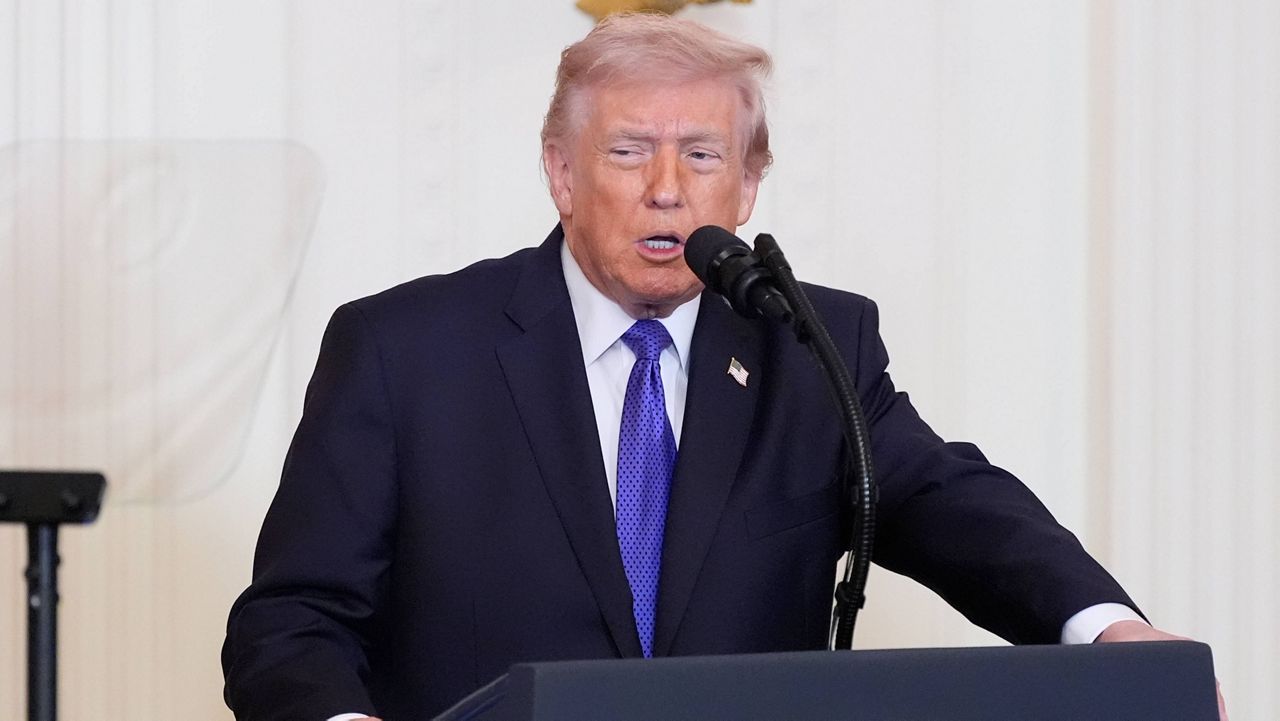
President Donald Trump is slated to visit Hebron, Kentucky, this week for a high-profile speaking engagement at the Verst Logistics Contract Packing Facility. The stop, part of a broader 2026 political playbook, underscores Trump’s sustained focus on energized constituency groups, regional economic themes, and a narrative designed to mobilize GOP voters ahead of next year’s elections.
What Just Happened
Trump’s appearance in northern Kentucky marks another calculated touchpoint with working- and middle-class voters who form a core base for his 2026 bid. The venue, a logistics and packing operation, aligns with a broader emphasis on American manufacturing, supply chains, and job security. While specifics of the speech remain to be seen, the choice of Hebron signals a deliberate effort to connect national policy debates with local economic realities, a strategy Trump’s team has repeatedly deployed to demonstrate tangible benefits from conservative governance.
Public & Party Reactions
Anticipation surrounding the Kentucky stop reflects the persistent interest in how Trump positions himself relative to the evolving GOP field. Supporters will likely view the event as a reaffirmation of Trump’s leadership and a clear message about the direction of the party’s policy and political playbook. Critics may scrutinize the rhetoric for its emphasis on grievance and electoral calculation, weighing whether such appearances translate into broad, durable appeal beyond core supporters. Within party circles, the visit could shape conversations about candidate messaging, coalition-building, and fundraising momentum as the 2026 landscape develops.
Policy and Messaging Context
The Kentucky engagement fits into a broader pattern of Trump’s public messaging that blends policy themes with political theater. Look for talking points centered on EconomicAmerica, border security, and a critique of current administration policies, paired with calls for aggressive reforms and electoral wins. Observers will assess how the speech balances promised economic outcomes with achievable policy proposals, a balance that often influences donor confidence and voter enthusiasm.
What Comes Next
As 2026 dynamics unfold, Trump’s northern Kentucky appearance is likely to be followed by a sequence of targeted events in swing-leaning regions and industrial corridors. The messaging framework from Hebron will likely inform future stump lines, campaign ads, and policy rollouts designed to illustrate a vision of governance that appeals to working families, small businesses, and regional voters who feel left behind in national debates.
Impact and Implications
The Hebron stop underscores several strategic imperatives for Trump’s 2026 campaign:
- Localizing national policy: By tying national issues to the day-to-day realities of a logistics facility, Trump aims to bolster credibility on economic governance and supply chain resilience.
- Voter mobilization playbook: The event reinforces a strategy of high-visibility appearances in economically significant locales to sustain media attention and volunteer engagement.
- Messaging consistency: Recurrent themes around jobs, security, and populist-leaning economic reform help maintain a cohesive narrative across a crowded GOP field.
Conclusion
The Kentucky visit is more than a routine campaign stop; it is a deliberate maneuver to reinforce Trump’s influence in key regional markets, test policy messaging in a tangible setting, and sustain momentum ahead of 2026. As the political landscape evolves, observers will watch for how the Hebron speech projects a roadmap for governance, electoral strategy, and party cohesion in a highly competitive cycle.