Overview
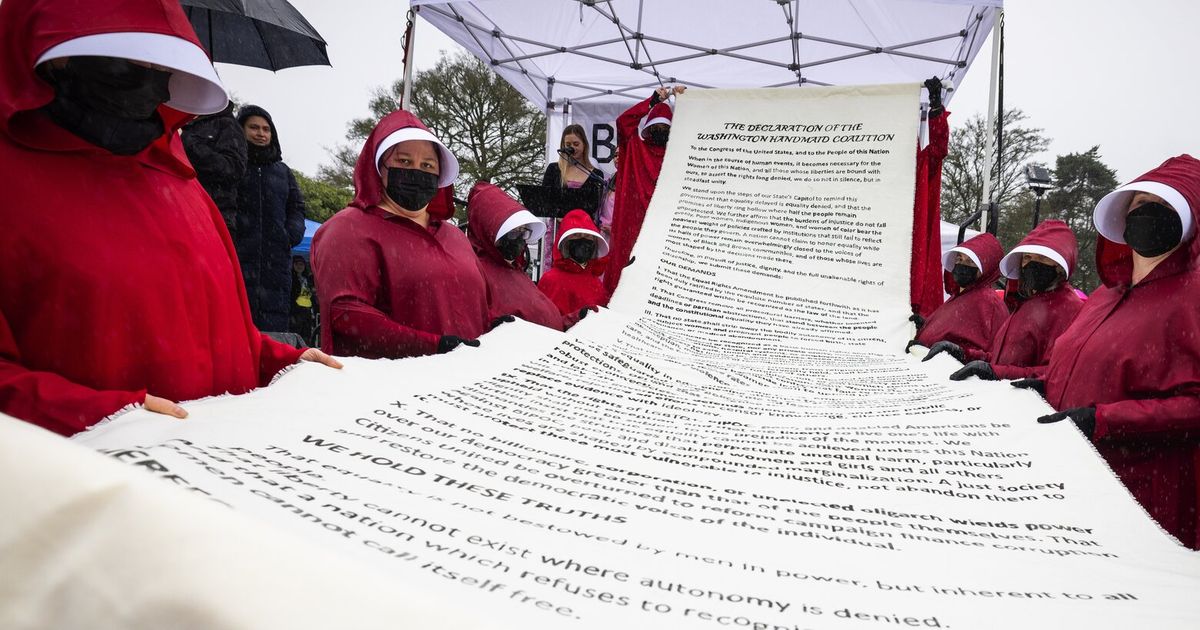
A rainy Sunday did little to dampen the spirit of civic engagement in Seattle as hundreds gathered for the annual Women’s March. While the turnout was significantly smaller than the tens of thousands seen in peak years, the event still underscored the persistence of organized, issue-focused activism at the local level.
What Happened
Organizers and participants braved heavy rainfall to demonstrate in support of women’s rights, gender equality, and broader civil liberties. The crowd’s size—approximately 300 attendees—reflects a tightening of logistics and engagement strategies in an era of shifting protest dynamics, while maintaining a visible public presence on a key issue.
Scale and Public Reaction
- Participation: The march drew a smaller crowd compared with earlier years, highlighting evolving patterns in protest participation, weather considerations, and urban mobilization.
- Visibility: Local media coverage and social media amplification helped sustain awareness around themes of reproductive rights, workplace equity, and safety for women and marginalized groups.
- Message Framing: Messaging centered on resilience, policy impact, and solidarity, emphasizing demands for concrete policy actions rather than symbolic demonstrations alone.
Political and Civic Context
The Seattle event sits within a broader national thread of women’s rights advocacy that continues to intersect with debates over healthcare, pay equity, and protections against discrimination. Community organizations, unions, student groups, and faith-based organizations frequently collaborate to organize such events, linking issues of gender with broader social justice concerns.
What It Signals to Observers
- Local Activism Persists: The turnout indicates ongoing energy around women’s issues at the municipal level, where city policies on violence prevention, childcare support, and family leave can have immediate daily effects.
- Strategy Adaptation: Organizers appear to balance tradition with pragmatic logistics, leveraging city parks, transit access, and digital outreach to maximize reach despite adverse weather and changing participation patterns.
- Electoral and Policy Implications: While this is not an electoral event per se, it reinforces the importance of gender-focused policy debates ahead of local and state elections, encouraging voters to weigh candidates’ records on equality, healthcare access, and anti-discrimination measures.
What Comes Next
- Policy Attention: Expect continued advocacy around city and state-level legislation affecting reproductive rights, workplace protections, and income security for women and families.
- Community Building: Local chapters may intensify outreach to younger voters and diverse communities to build broader coalitions for upcoming elections.
- Events Calendar: This march is likely to be followed by related forums, town halls, and educational actions that translate protest energy into concrete civic participation.
Immediate Reactions and Public Discourse
Social media commentary around the event tended to praise perseverance and highlight stories of personal impact, while some critics questioned the effectiveness of annual marches in driving policy change. The core takeaway for participants remains clear: persistent civic engagement is a hallmark of Seattle’s political landscape, with protesters seeking to convert demonstrations into measurable improvements for women’s rights and civil liberties.
Context for Readers
In 2026, local demonstrations continue to play a meaningful role in shaping public discourse alongside formal legislative processes. While attendance can fluctuate with weather and competing events, the continued presence of these marches underscores a durable commitment to gender-focused advocacy at the community level.