Situation Brief
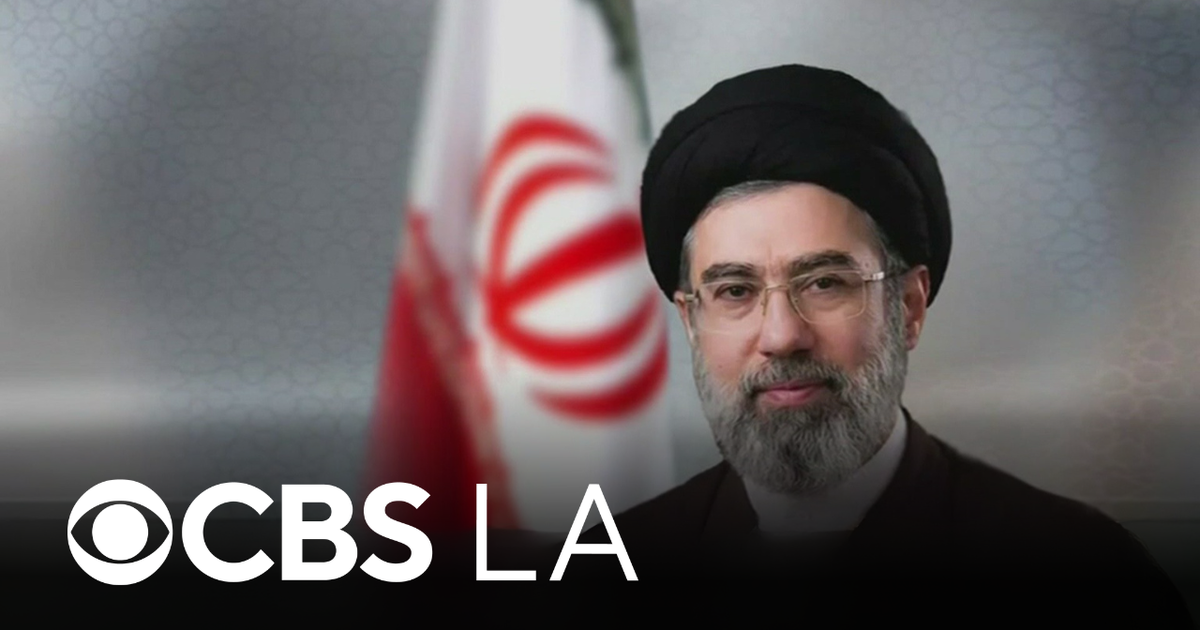
Iran’s political landscape has announced a new apex leader in Mojtaba Khamenei, marking a potentially significant continuity or shift in the country’s governance. As the son of the longstanding supreme leader, Khamenei’s elevation signals a melding of enduring Islamist-realist policy preferences with a newer generation’s approach to diplomacy, defense, and internal governance. Observers are tracing how this transition will influence Iran’s domestic power balance, regional posture, and engagement with global powers.
Strategic Stakes
The appointment sits at a high-stakes intersection of Tehran’s core security doctrine, nuclear diplomacy, and regional alliances. Analysts expect the regime to emphasize stability, regime longevity, and a pragmatic approach to managing both external pressure and internal resilience. Key questions focus on whether Khamenei’s leadership will preserve hardline foreign policy vectors—such as assertive messaging toward adversaries and persistent support for aligned proxies—or introduce measured flexibility in negotiations that could alter the trajectory of sanctions relief, economic revival, and military deterrence.
Impact on US Interests
For the United States, the leadership transition matters for three broad fronts: diplomacy, regional security architecture, and economic strategy. If the new supreme leader prioritizes predictable engagement and a consistent narrative on Iran’s red lines, there could be opportunities for calibrated diplomacy and incremental confidence-building steps. Conversely, any perceived drift toward intensified confrontation could complicate efforts to advance IAEA inspections, nuclear negotiations, or coalition-based pressure tactics. Washington will also weigh Iran’s posture toward its neighbors, including Gulf states, and Tehran’s stance on conflicts and stability initiatives across the Middle East.
Global Power Dynamics
Mojtaba Khamenei’s ascent arrives amid a shifting balance of power in the Middle East and a broader competition among major powers over influence in energy markets, security arrangements, and diplomatic alignments. Iran’s leadership signals will be watched by partners and rivals alike: how Tehran positions itself with Russia, China, and Western countries, and how it leverages regional blocs to counter balance pressures from sanctions regimes and international pressure. The transition could recalibrate alliances, energy-strategy considerations, and the temperature of regional diplomacy.
Forward-Looking Risks
- Escalation vs. engagement: The new leadership could signal either a hardline stance or selective openness, affecting diplomatic openings or flare-ups in proxy theaters.
- Economic resilience: The regime’s ability to navigate sanctions, inflation, and limited access to international finance will matter for stability at home and Iran’s willingness to offer concessions abroad.
- Nuclear diplomacy: The priority placed on negotiations with global powers will influence the timeline and texture of any revival of multilateral talks.
- Regional diplomacy: Iran’s approach to relations with Saudi Arabia, the UAE, Israel, and Gulf partners will shape not only security calculations but also energy and trade flows.
What Comes Next
Expect an initial period of careful signaling, with official communications emphasizing unity, resilience, and national sovereignty. In parallel, policymakers in Washington and allied capitals will monitor domestic messaging and external actions from Tehran for any shifts in red lines or engagement tactics. If Khamenei’s leadership prioritizes a steadier course, we may see gradual steps toward diplomacy on nuclear issues and limited regional confidence-building, tempered by insistence on Iran’s security and economic priorities. If, instead, hard-line rhetoric intensifies, anticipate renewed assertions of deterrence, renewed proxy activity, and tighter negotiations in the economic sphere.
Policy Direction and Governance Implications
The leadership transition is likely to affect how Iran manages its internal governance, economic reforms, and social policy, particularly in how it balances ideological commitments with practical needs of its citizenry. Expect continued prioritization of sovereignty and deterrence, with potential policy shifts around economic diversification, sanctions management, and international engagement. The governance style may reflect a preference for centralized decision-making, with the supreme leader shaping major strategic choices while domestic governance adapts to emerging economic pressures and public expectations.
Conclusion
Mojtaba Khamenei’s rise as Iran’s supreme leader marks a pivotal moment with broad implications for regional stability, U.S.-Iran relations, and the global geopolitical chessboard. While the exact policy trajectory remains to be seen, the transition signals a focus on regime longevity, strategic signaling, and calculated diplomacy in a complex web of sanctions, alliances, and regional flashpoints. For policymakers and observers, the coming weeks and months will be critical for interpreting Tehran’s strategic intent and calibrating responses that advance stability, predictability, and resilient governance.