Overview
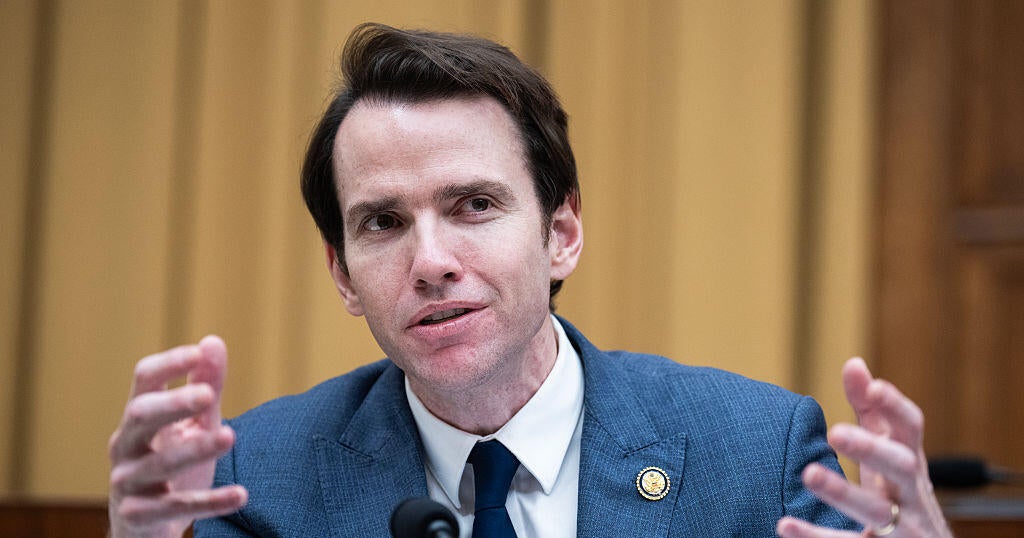
A notable shift in the California delegation is unfolding as Representative Kevin Kiley announces his transition from the Republican Party to independent status. The move strips the GOP of a member who has been vocal on California policy and national governance debates, introducing new calculations for leadership as Republicans pursue a fragile majority. The development spotlights ongoing questions about party cohesion, caucus strategy, and the friction points that shape legislative calendars in a high-stakes period for House governance.
What Just Happened
On a brisk political morning, Rep. Kevin Kiley declared his departure from the Republican Party and registered as an independent. While not the first lawmaker to pursue such a path, the timing matters: it compounds the GOP’s effort to maintain a coherent voting bloc during a period of intensified legislative activity, including budget decisions, oversight priorities, and high-visibility investigations. Kiley’s move narrows the party’s margin in the House and complicates leadership calculations for floor scheduling and committee assignments, potentially forcing more cross-party collaboration or strategic concessions to secure votes.
Public & Party Reactions
Reaction from Republican leadership has focused on continuity and steering the caucus toward disciplined voting on core priorities. Opponents and critics, particularly within more conservative corridors, have framed the shift as a signal of growing unease with messaging, candidate recruitment, and district-level pressures. Democrats, watching the realignment with cautious interest, may see procedural openings to test bipartisan alliances on specific issues. The political narrative now pivots to how the independent status will affect Kiley’s voting behavior, sponsorship of legislation, and his willingness to collaborate across the aisle on targeted bills.
Impact on House Strategy and Governance
- Majority calculations: With one seat no longer strictly in the GOP column, leadership must recalibrate whip counts, floor strategies, and potential concessions to secure majority votes on contentious measures.
- Committee dynamics: Independent status can influence committee rosters, the timing of hearings, and the leverage available to a member who could swing pivotal votes on jurisdictional matters or investigative oversight.
- Messaging and district representation: Kiley’s independent stance may compel him to prioritize district-specific concerns or healthcare, tech policy, or environmental issues with a more bipartisan lens, challenging party-aligned messaging on national platforms.
- Legislative tempo: Expect more fluid negotiations around scheduling, amendments, and procedural tactics as both parties gauge how best to deploy independents as bargaining chips or swing votes.
What Comes Next
- Rebuilding caucus alignment: GOP leadership will likely renew emphasis on party unity while identifying strategic avenues to court cross-cutting support for key bills.
- Public positioning from Kiley: To define his independent identity, Kiley may pursue active collaboration on select measures while articulating a distinct policy stand on issues such as tech regulation, veterans’ affairs, or fiscal restraint.
- Electoral considerations: The decision could influence upcoming primary dynamics in California districts and potentially shift how constituents evaluate partisan loyalty versus representative independence.
- Long-term implications: If more members trend toward independence or realignment of caucus lines occurs, conservatives and centrists may recalibrate their tactics on contentious budgets, oversight agendas, and regulatory reform.
Why This Matters for 2026 Governance
The departure underscores a broader strain within party politics where ideology, district alignment, and personal brand intersect with committee power and legislative leverage. In a year characterized by pivotal votes on budgeting, regulatory reform, and oversight, the ability of leadership to secure disciplined majorities while accommodating members who straddle party lines will influence policy outcomes and governance reliability. The evolving shape of House dynamics signals that independents, or potential defections, could become meaningful variables in determining which bills pass, how quickly they move, and what concessions accompany major legislative moves.
Key Takeaways for Readers
- Expect more cross-party negotiations on urgent issues as independents gain leverage.
- Party leadership will prioritize discipline while seeking creative strategies to secure crucial votes.
- Voters should watch for how Kiley frames his independence in upcoming messaging and policy proposals.
- The incident reflects broader questions about party cohesion and governance efficiency in a tightly divided House.