Overview
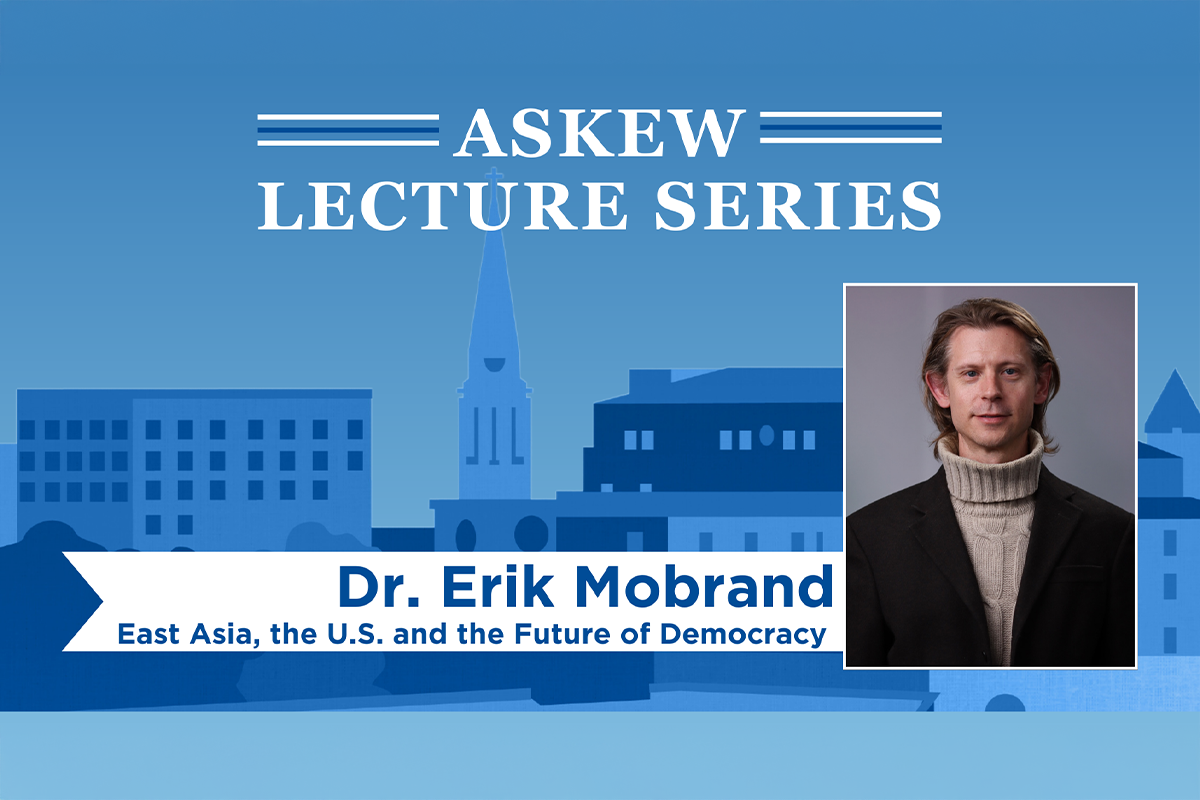
A landmark lecture series at the University of West Florida is taking center stage in Pensacola, focusing on the dynamic intersection of East Asia, the United States, and the future of democracy. The event, part of the Reubin O’D. Askew Lecture Series, features Dr. Erik Mobrand from Seoul National University’s Graduate School of International Studies. Scheduled for April 9, the conversation promises to unpack how East Asian political developments influence U.S. foreign policy, democratic resilience, and regional stability.
Context and Significance
As global democracies face evolving challenges—from rising authoritarianism to strategic competition—East Asia stands at the heart of many critical policy choices for Washington. The discussion will explore how demographic shifts, economic integration, and security dynamics in East Asia affect the United States’ approach to democracy promotion, diplomacy, and alliance governance. In 2026, understanding these dynamics is essential for policymakers, scholars, and the public seeking to anticipate the trajectory of global governance and U.S. leadership.
What to Expect from the Discussion
- Global Democracy Trends: Analysts will assess the health and trajectories of democratic governance across East Asia, identifying factors that bolster or erode democratic norms in the region.
- U.S. Policy Implications: The talk will connect regional developments to Washington’s strategy on diplomacy, economic policy, and security commitments in the Indo-Pacific.
- Economic and Technological Dimensions: Participants will consider how trade, supply chains, and technological competition shape political legitimacy and public trust in governments.
- Alliance and Diplomatic Dynamics: The discussion will examine how U.S. alliances with partners in the region influence collective responses to authoritarian governance models and regional disputes.
Impact on Policy and Public Discourse
The lecture is positioned as a practical briefing for policymakers, business leaders, and civic institutions seeking to understand how East Asia’s political evolution intersects with the future of democracy worldwide. By translating regional trends into actionable insights, the event aims to inform public opinion and contribute to a more strategic, values-driven approach to U.S. foreign policy and governance.
Public Engagement and Accessibility
Hosted at the Museum of Commerce in downtown Pensacola, the event is designed to reach a broad audience, including students, scholars, and community members interested in the future of democracy and international affairs. The format is expected to combine expert analysis with opportunities for audience discussion, enabling participants to weigh the implications of East Asia’s political landscape for American governance and global stability.
What Comes Next
Following this discussion, observers will look for a clearer articulation of policy priorities in the Indo-Pacific, including how the United States can collaborate with regional partners to strengthen democratic institutions, safeguard economic openness, and maintain a rules-based international order. The conversation will likely influence subsequent public dialogues, academic research, and policy briefs aimed at shaping the 2026–2027 political and strategic agenda.
Notes for readers
- The topic sits at the intersection of international geopolitics and democratic governance, offering a forward-looking lens on how regional shifts in East Asia will affect U.S. strategy and global democracy narratives.
- This event underscores the importance of civic engagement in understanding foreign policy decisions and their domestic implications.