Overview
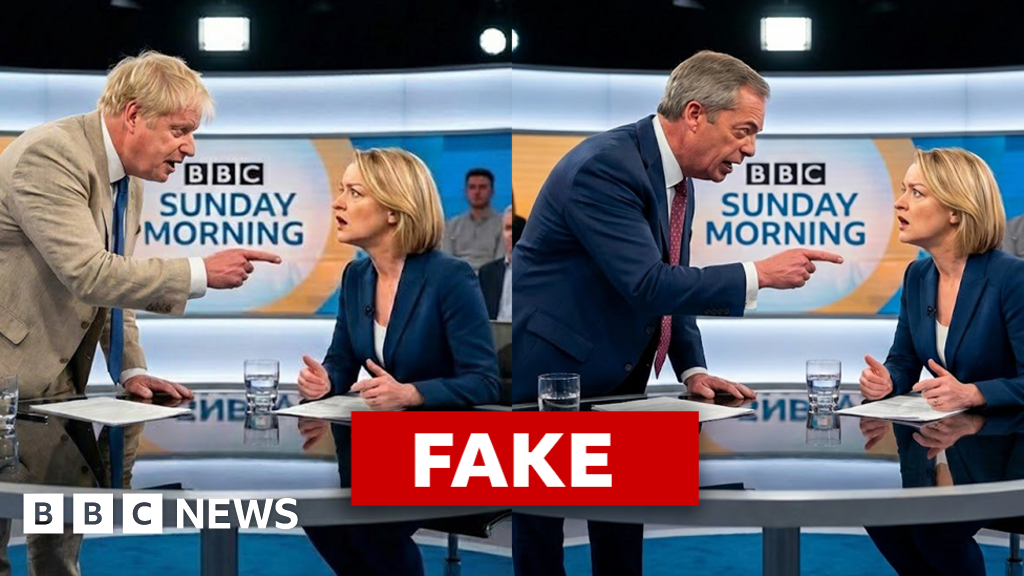
A high-profile move by Meta to remove deepfake pages tied to UK political content follows a BBC investigation that spotlighted the spread of misleading clips ahead of elections. The episode underscores the accelerating push to regulate AI-generated political material, bolster platform accountability, and shore up voter trust in digital discourse. As lawmakers and regulators weigh new guardrails, the incident serves as a case study in how platforms, campaigns, and watchdogs intersect in a rapidly evolving information environment.
Context: the rise of AI-driven misinformation
Advances in artificial intelligence have made it easier to produce convincing videos and audio that misrepresent public figures or political positions. While some deepfakes can be clearly labeled or debunked, others blur the line between satire, misrepresentation, and misinformation. In democracies with vibrant public dialogue, the speed and scale of AI-generated content pose a real challenge to informed decision-making. The UK’s experience echoes global debates about content authenticity, platform responsibility, and the rapid policy responses that election timelines demand.
Why the Meta action matters
The removal of UK political deepfake pages signals that platforms are increasingly willing to enforce stricter standards for political content, especially when third-party verification or credible reporting raises concerns about material quality and potential harm. It also highlights the role of external investigations in triggering platform interventions. For voters and candidates, such removals can both reduce exposure to deceptive material and raise questions about transparency and consistency in enforcement across regions and languages.
Policy snapshot: regulatory implications and potential pathways
- Platform accountability: Expect renewed calls for clear guidelines on AI-generated political content, including labeling, takedown thresholds, and user transparency around source material.
- Verification and trust signals: Regulators may push for standardized verification labels, provenance tracking, and independent audits of political content that involves AI-generated media.
- Election integrity frameworks: Lawmakers could consider requirements for preemptive risk assessments by platforms during peak political activity, with penalties for noncompliance or slow response times.
- Cross-border coordination: Given the global nature of AI tools, international cooperation on standards for political deepfakes could gain traction, influencing trade in digital services and platform governance.
Who is affected
- Voters: clearer signals about what is authentic, plus SAFEGUARDS to reduce exposure to manipulative content.
- Campaigns: need to adapt to stricter platforms’ rules, invest in authentic messaging, and prepare rapid response plans for misinformation.
- Platforms: pressure to implement consistent policies across markets, develop robust detection systems, and maintain trust with users.
- Regulators: increasing appetite for enforceable rules around AI-generated political content and platform accountability.
Potential economic and regulatory impact
- Compliance costs: platforms and political advertisers may incur costs for detection, labeling, and rapid takedowns, potentially affecting small advertisers more acutely.
- Innovation vs. risk: AI developers and content creators could face tighter scrutiny, potentially slowing some creative experiments but improving baseline governance.
- Market signals: enhanced trust in digital political discourse can influence online advertising dynamics, data privacy engagement, and user retention.
What happens next
- Policy momentum: expect legislative proposals on AI transparency, content provenance, and election-related enforcement to gain attention in parliamentary debates and committee hearings.
- Technical developments: platforms will likely accelerate deployment of AI detection, watermarking, and user-origin verification capabilities, paired with human review processes.
- Public communication: authorities will emphasize clear labeling standards and redress mechanisms for users who encounter deceptive material, aiming to preserve fair competition and voter confidence.
What to watch
- Consistency of enforcement: how uniformly platforms apply takedowns and labels across regions and languages.
- Timelines around elections: readiness of regulators and platforms to implement safeguards in the run-up to polls.
- Collaborative models: evolving partnerships among policymakers, tech firms, and civil society to monitor AI-generated misinformation and respond swiftly.